Modern businesses face an overwhelming challenge: how to deliver personalised experiences to thousands or millions of customers without drowning in manual tasks. Marketing automation has emerged as the solution that transforms this seemingly impossible equation into manageable, scalable growth.
From small e-commerce stores to global retail chains, companies are discovering that marketing automation isn’t just a nice-to-have tool — it’s become essential for staying competitive in today’s data-driven marketplace. The question isn’t whether your business needs automation, but how quickly you can implement it to start seeing results.
What is marketing automation and why does it matter for businesses?
Marketing automation is technology that manages marketing processes and campaigns automatically across multiple channels, using data-driven triggers to deliver personalised messages at the right moment. It eliminates manual, repetitive tasks while ensuring consistent, timely communication with customers.
The technology matters because it solves a fundamental business problem: scale versus personalisation. Without automation, businesses must choose between reaching large audiences with generic messages or crafting personal communications for small groups. Marketing automation platforms break this trade-off by enabling mass personalisation through intelligent data processing and trigger-based messaging.
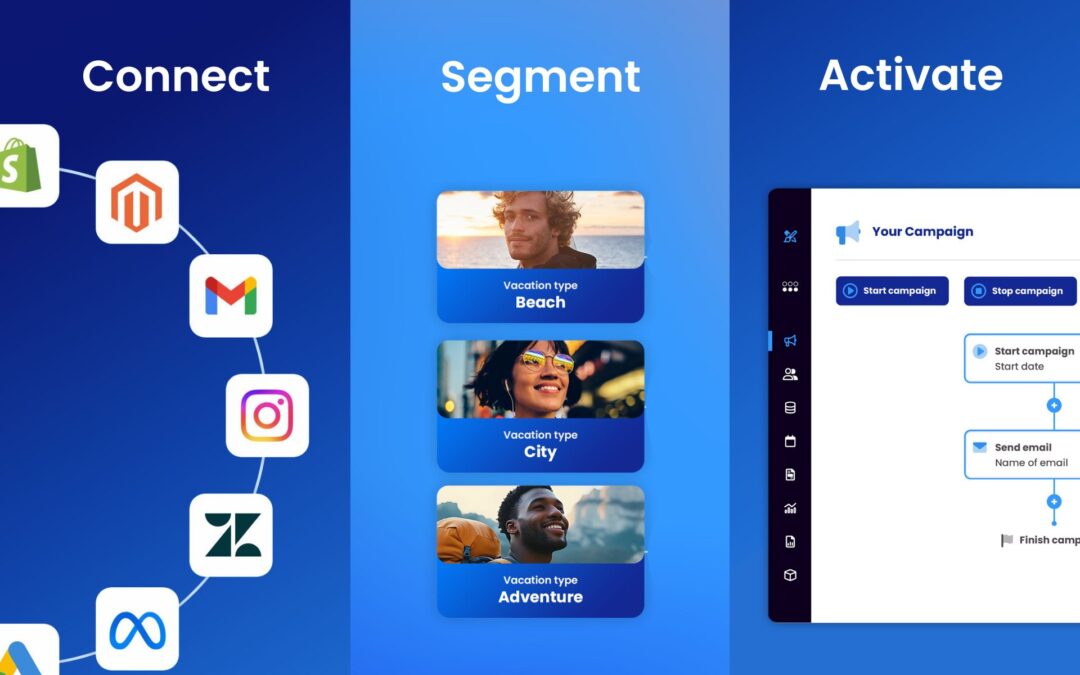
Smart segmentation lies at the heart of effective automation. Instead of broadcasting the same message to everyone, automated systems analyse customer behaviour, purchase history, and engagement patterns to create highly specific audience segments. This means a travel company can automatically send different holiday recommendations to families and solo travellers, while an e-commerce retailer can trigger personalised product suggestions based on browsing behaviour.
How does marketing automation improve customer experience?
Marketing automation improves customer experience by delivering relevant, timely messages based on individual behaviour and preferences, creating seamless interactions across email, SMS, web, and mobile channels. Customers receive exactly what they need, when they need it, without irrelevant interruptions.
The key improvement comes from contextual messaging. When a customer abandons their shopping cart, automation triggers a personalised recovery sequence that might include the specific products they viewed, similar recommendations, or a limited-time incentive. This feels helpful rather than pushy because it directly addresses their demonstrated interest.
Cross-channel consistency elevates the experience further. A customer might start their journey by clicking an email, continue on your website, and complete their purchase through your mobile app. Automation ensures their experience remains coherent across all touchpoints, with each interaction building naturally on the previous one.
Real-time responsiveness sets automated experiences apart from traditional marketing. Instead of waiting for the next scheduled campaign, automation reacts immediately to customer actions. A finance company can instantly send account alerts, while a retail brand can trigger stock notifications the moment a desired item becomes available.
What business problems does marketing automation solve?
Marketing automation solves critical business problems, including manual task overload, inconsistent customer communication, poor lead nurturing, and an inability to scale personalised experiences. It transforms time-consuming, error-prone processes into efficient, data-driven systems that work around the clock.
Manual production bottlenecks disappear when automation handles routine tasks. Instead of spending hours creating individual email campaigns, marketing teams set up intelligent journeys that respond automatically to customer behaviour. This frees up time for strategic thinking while ensuring no customer interaction falls through the cracks.
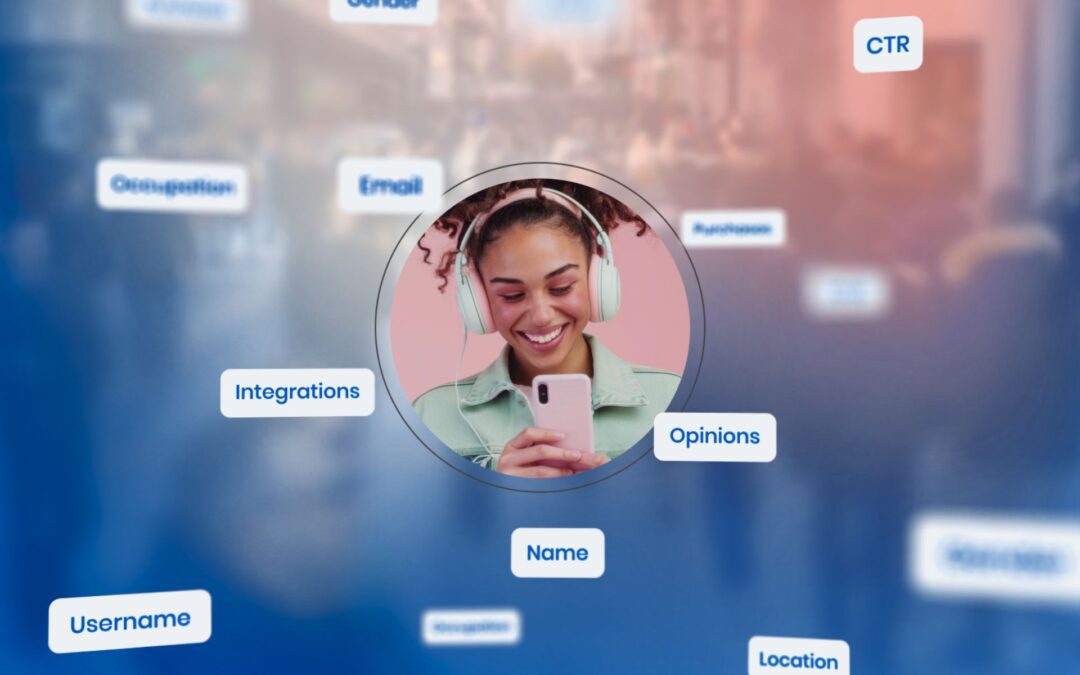
Data fragmentation becomes manageable through unified customer profiles. Many businesses struggle with customer information scattered across different systems — purchase data in one place, website behaviour in another, and email engagement elsewhere. Customer data platforms consolidate these touchpoints into single, actionable profiles that fuel smarter automation.
Lead nurturing transforms from hit-or-miss to systematic conversion. Rather than hoping prospects remember your brand when they’re ready to buy, automation maintains consistent, valuable contact through educational content, relevant offers, and timely follow-ups based on engagement levels and buying signals.
How much can businesses save with marketing automation?
Businesses typically save 20–30% of their marketing operational costs through automation while simultaneously increasing campaign effectiveness and revenue generation. The savings come from reduced manual labour, improved targeting efficiency, and higher conversion rates from better-timed, more relevant messaging.
Time savings create the most immediate impact. Tasks that previously required hours of manual work — segmenting lists, scheduling campaigns, and personalising content — happen instantly through automated rules. A marketing manager who spent two days preparing a weekly newsletter can set up an automated version that runs indefinitely with minimal maintenance.
Resource allocation becomes more strategic when automation handles execution. Teams can focus on creative strategy, campaign optimisation, and customer insights rather than repetitive production tasks. This shift often leads to better campaign performance, which multiplies the initial time savings through improved results.
Error reduction saves both money and reputation. Manual processes inevitably include mistakes — wrong segments, broken personalisation, and missed send times. Automation eliminates these costly errors while ensuring consistent brand presentation across all customer touchpoints.
Which types of businesses benefit most from marketing automation?
Businesses with high customer volumes, complex buying journeys, or frequent customer interactions benefit most from marketing automation. E-commerce, travel, finance, entertainment, and retail companies see particularly strong results due to their data-rich environments and multiple touchpoint requirements.
E-commerce businesses thrive with automation because of their transaction-rich data and clear conversion goals. Every product view, cart addition, and purchase creates opportunities for triggered messaging. Advanced email marketing platforms can automatically send browse-abandonment sequences, cross-sell recommendations, and win-back campaigns based on purchase-timing patterns.
Travel and hospitality companies benefit from automation’s ability to handle complex, multi-stage journeys. A single booking involves research, comparison, purchase, pre-trip communication, and post-trip follow-up. Automation manages this entire sequence while personalising content based on destination, travel dates, and customer preferences.
Financial services leverage automation for compliance-critical communication and relationship building. Automated systems ensure regulatory notifications reach customers on time while nurturing leads through educational content about complex financial products. The combination of reliability and personalisation builds trust in a sector where credibility is paramount.
How Deployteq helps with marketing automation
We provide a comprehensive marketing automation platform that unifies customer data and enables seamless campaign execution across email, SMS, WhatsApp, push notifications, and web channels. Our solution combines advanced segmentation capabilities with an intuitive journey builder that gives marketing teams complete control over their automation strategies.
Here’s how we solve the core automation challenges:
- Unified customer data: Our integrated CDP consolidates all customer touchpoints into actionable profiles with intelligent modelling, including RFM analysis and predictive insights.
- Cross-channel automation: Execute coordinated campaigns across all channels from a single platform, ensuring consistent messaging and optimal timing.
- Advanced segmentation: Create real-time, highly personalised customer segments that automatically update based on behaviour and preferences.
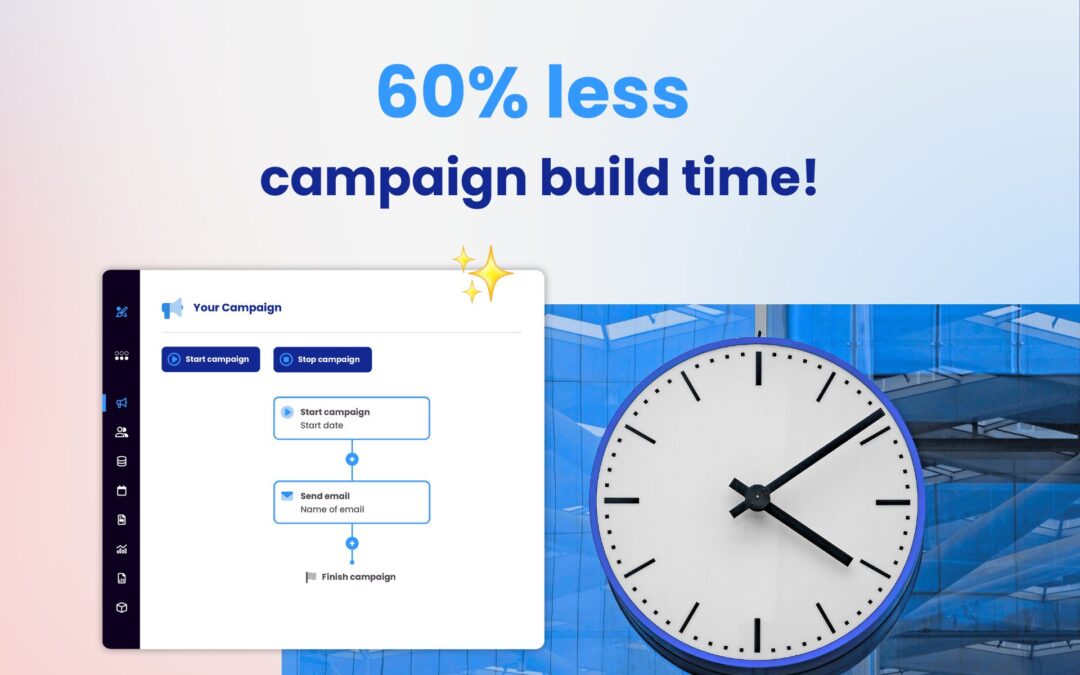
- Flexible journey design: Build sophisticated automation workflows with our versatile journey builder that adapts to your unique business requirements.
Ready to transform your marketing operations? Book a demo to see how our platform can automate your customer journeys and drive measurable results for your business.