Email cadence refers to the frequency and timing of your email communications throughout the customer lifecycle. The ideal cadence varies significantly by lifecycle stage: new subscribers need gentle nurturing with 1–2 emails weekly, engaged prospects benefit from 2–3 strategic touchpoints during consideration, while loyal customers can receive more frequent communications based on their engagement patterns and preferences.
What does email cadence mean and why does it matter for customer relationships?
Email cadence is the strategic timing and frequency of email communications sent to customers at different stages of their journey with your brand. It encompasses when you send emails, how often you send them, and the spacing between messages to maximise engagement whilst avoiding subscriber fatigue.
Proper email cadence directly impacts your customer relationships through several key mechanisms. When you time emails correctly, you stay relevant without becoming intrusive, building trust that encourages long-term engagement.
Your cadence decisions influence critical engagement metrics across the customer lifecycle. Emails sent too frequently can trigger unsubscribes and spam complaints, damaging your sender reputation. Communication that is too infrequent allows competitors to capture attention and can make your brand forgettable.
Brand perception shifts dramatically based on your email timing strategy. Customers view brands that respect their inbox preferences as more professional and trustworthy. This perception translates into higher open rates, better click-through performance, and improved customer satisfaction scores throughout their lifecycle journey.
How often should you email customers during the awareness stage?
New subscribers and prospects in the awareness stage should receive 1–2 emails per week at most. This frequency allows you to build familiarity without overwhelming people who are just discovering your brand and evaluating whether your content provides value.
Your welcome series forms the foundation of awareness-stage email cadence. Send your first welcome email immediately after subscription, followed by educational content spaced 2–3 days apart. This timing gives subscribers time to engage with each message whilst maintaining momentum in the relationship-building process.
Focus your awareness-stage cadence on delivering educational value rather than promotional content. Share industry insights, helpful tips, and resources that demonstrate your expertise. This approach builds trust gradually, positioning your brand as a valuable resource rather than just another company seeking sales.
Monitor engagement signals carefully during this stage. If new subscribers consistently open and click your emails, you can maintain your planned cadence. However, if engagement drops quickly, reduce frequency to once weekly or experiment with different content types to better match their interests and needs.
What’s the ideal email frequency for engaged customers in the consideration phase?
Customers actively evaluating your products or services can handle 2–3 emails per week because they are seeking information to make purchasing decisions. This increased frequency supports their research process whilst keeping your brand prominent during their evaluation period.
Structure your consideration-phase emails with strategic spacing that mirrors the customer’s decision-making timeline. Send product-focused content early in the week, follow with comparison information mid-week, and provide social proof or urgency elements towards the weekend, when people have more time to make decisions.
Your nurture sequence intervals should adapt to the complexity of your offering. Simple products might require emails every 2–3 days over two weeks. Complex B2B solutions often need weekly touchpoints over 6–8 weeks to address all decision factors and stakeholder concerns effectively.
Balance promotional content with educational value during consideration. Include product demonstrations, customer success stories, and detailed feature explanations. This content mix helps prospects understand your offering whilst building confidence in their potential purchase decision.
How should email cadence change for existing customers and repeat buyers?
Loyal customers can receive more frequent emails than prospects because they have already demonstrated interest in your brand. Many engaged customers appreciate 3–5 emails weekly, especially when content includes valuable updates, exclusive offers, and relevant product information tailored to their purchase history.
Post-purchase email sequences require careful timing to maximise satisfaction and encourage repeat business. Send order confirmations immediately, shipping updates as they occur, and delivery confirmations upon arrival. Follow with onboarding content 2–3 days after delivery, then transition to regular customer communications.
Segment your existing customers based on purchase frequency and engagement levels. High-value repeat buyers often welcome daily emails with new products and exclusive offers. Occasional purchasers typically prefer weekly newsletters with helpful content and periodic promotions that do not feel overwhelming.
Your retention campaigns should maintain consistent touchpoints without becoming predictable. Mix promotional emails with valuable content, industry news, and customer-only benefits. This variety keeps loyal customers engaged whilst reinforcing their decision to maintain a relationship with your brand.
What factors should influence your email cadence decisions?
Several critical factors should guide your email frequency decisions beyond customer lifecycle stage. Industry standards, audience preferences, content type, seasonal patterns, and engagement metrics all play essential roles in determining optimal timing for your specific situation and business goals.
Industry benchmarks provide useful starting points, but your audience preferences matter more than generic standards. B2B audiences often prefer less frequent, information-rich emails during business hours. B2C customers might engage better with more frequent, shorter messages sent during evening and weekend periods, when they have leisure time.
Content type significantly impacts acceptable frequency levels. Educational newsletters can be sent weekly without fatigue. Promotional emails require more spacing to avoid appearing pushy. Transactional emails should be sent immediately when triggered by customer actions, regardless of other email timing considerations.
Seasonal factors and business cycles affect optimal cadence timing. Retail brands can increase frequency during holiday seasons, when customers expect more offers. B2B companies might reduce cadence during summer months, when decision-makers take extended holidays and business activity typically slows down.
Monitor engagement metrics continuously to refine your cadence strategy. Track open rates, click-through rates, unsubscribe rates, and spam complaints across different frequencies. Use A/B testing to compare performance between different timing strategies and adjust based on concrete data rather than assumptions about customer preferences.
How Deployteq helps optimize email cadence across customer lifecycles
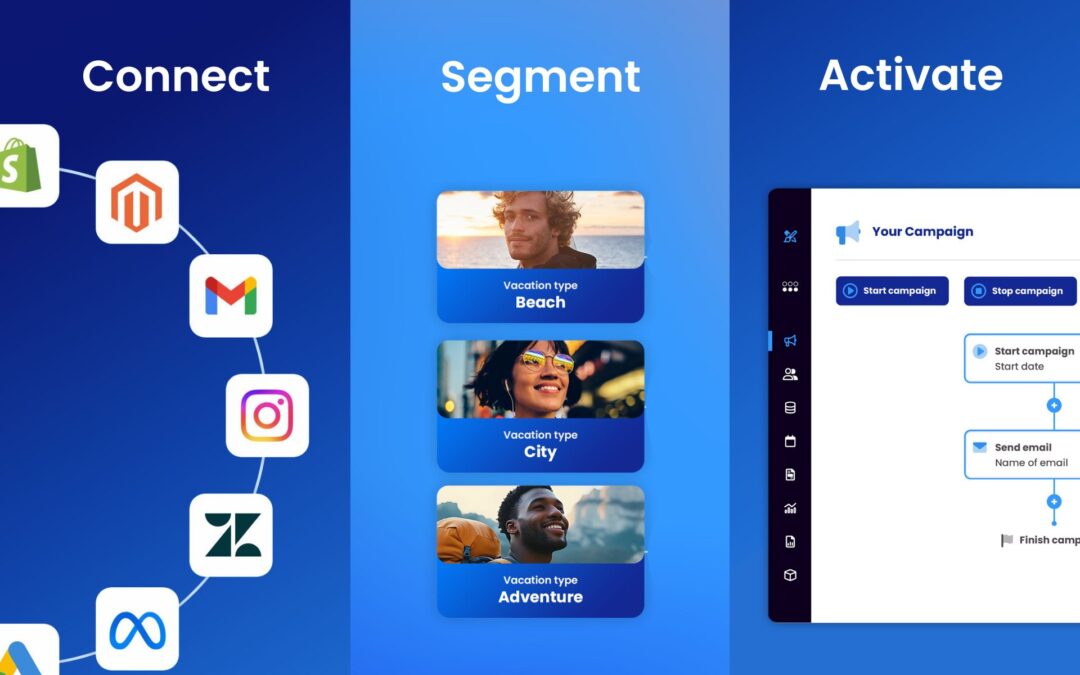
Deployteq’s marketing automation platform enables sophisticated lifecycle email cadence management through intelligent segmentation and automated timing optimisation. Our system adapts email frequency based on customer behaviour, engagement patterns, and lifecycle stage transitions to maximise relationship-building and campaign performance.
Our platform provides comprehensive cadence optimisation through:
- Advanced segmentation capabilities that automatically adjust email frequency based on customer engagement levels and lifecycle progression
- Journey builder functionality offering complete flexibility in designing customer email sequences with optimal timing intervals
- Cross-channel coordination ensuring email cadence works harmoniously with SMS, push notifications, and other communication channels
- Real-time engagement monitoring that triggers automatic cadence adjustments when customer behaviour patterns change
- Predictive modelling, including RFM analysis and next-best-offer recommendations, that informs optimal email timing decisions
Ready to transform your email cadence strategy with intelligent automation? Discover our email marketing platform capabilities or book a demo to see how our advanced segmentation and journey builder can optimize your customer lifecycle communications. Contact us to discuss your specific email cadence challenges and learn how our platform can deliver personalised customer experiences that drive results.