Email marketing automation sends personalised messages to subscribers based on their actions, preferences, and behaviours without manual intervention. It uses triggers and workflows to deliver the right content at the right time, helping businesses nurture leads, increase engagement, and drive conversions while saving valuable time and resources.
What is email marketing automation and how does it work?
Email marketing automation is a system that sends targeted email messages to subscribers based on predetermined triggers, behaviours, or timelines without requiring manual intervention. It works by setting up workflows that monitor subscriber actions and automatically respond with relevant content.
The automation process begins when a subscriber performs a specific action, such as signing up for your newsletter, abandoning their shopping cart, or making a purchase. These actions serve as triggers that activate pre-written email sequences. The system then delivers personalised messages based on the subscriber’s profile, purchase history, website behaviour, or engagement patterns.
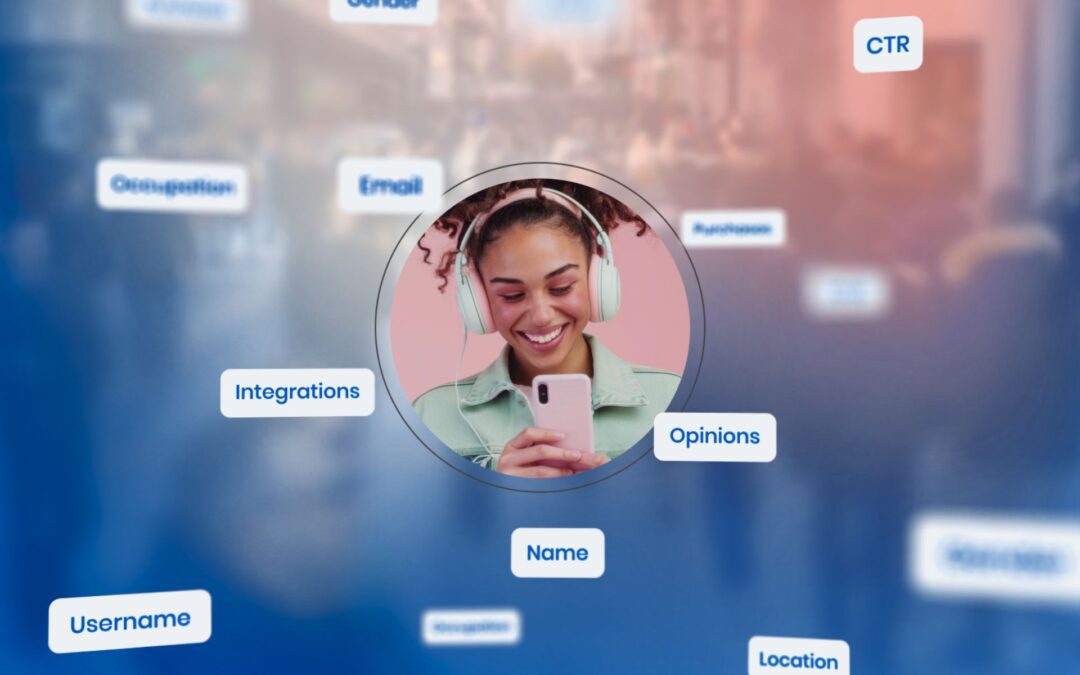
Modern automation platforms use customer data to create detailed profiles for each subscriber. This information includes demographics, past purchases, browsing behaviour, and email engagement history. The system uses this data to determine which emails to send, when to send them, and how to personalise the content for maximum relevance.
What are the main benefits of automating your email marketing?
Email marketing automation delivers significant time savings, improved personalisation, and better customer engagement while increasing conversion rates and providing scalability for growing businesses. It transforms manual, repetitive tasks into efficient, data-driven communications that work around the clock.
Time efficiency represents the most immediate benefit. Automation eliminates the need to manually send individual emails or remember to follow up with customers. Once set up, workflows run continuously, allowing marketing teams to focus on strategy and content creation rather than routine tasks.
Personalisation becomes more sophisticated through automation. The system can tailor messages based on individual subscriber behaviour, preferences, and purchase history. This level of customisation would be impossible to achieve manually across large subscriber lists, yet automation makes it standard practice.
Revenue impact often improves dramatically. Automated emails typically generate higher open rates and click-through rates because they are timely and relevant. Welcome sequences, abandoned cart reminders, and post-purchase follow-ups all contribute to increased customer lifetime value and improved conversion rates.
What types of automated email campaigns should businesses use?
The most effective automated email campaigns include welcome series, abandoned cart recovery, post-purchase follow-ups, re-engagement sequences, birthday emails, and behavioural triggers. Each serves a specific purpose in the customer journey and addresses different stages of engagement and conversion.
Welcome series introduce new subscribers to your brand, set expectations, and provide immediate value. These typically include three to five emails sent over the first week or month, featuring your best content, popular products, or exclusive offers for new subscribers.
Abandoned cart emails recover potentially lost sales by reminding customers about items they left behind. These campaigns often include multiple touchpoints: an immediate reminder, a follow-up with customer reviews or additional product information, and a final email with a limited-time discount.
Post-purchase sequences enhance the customer experience and encourage repeat business. They might include order confirmations, shipping updates, delivery confirmations, product care instructions, and requests for reviews or feedback.
Re-engagement campaigns target inactive subscribers who have not opened emails recently. These sequences attempt to rekindle interest through special offers, content updates, or preference-centre invitations before considering list removal.
How do you set up your first email automation workflow?
Setting up your first automation workflow involves defining your audience segment, choosing appropriate triggers, creating relevant content, setting optimal timing, and testing thoroughly before launch. Start with a simple welcome series or abandoned cart sequence to gain experience with the process.
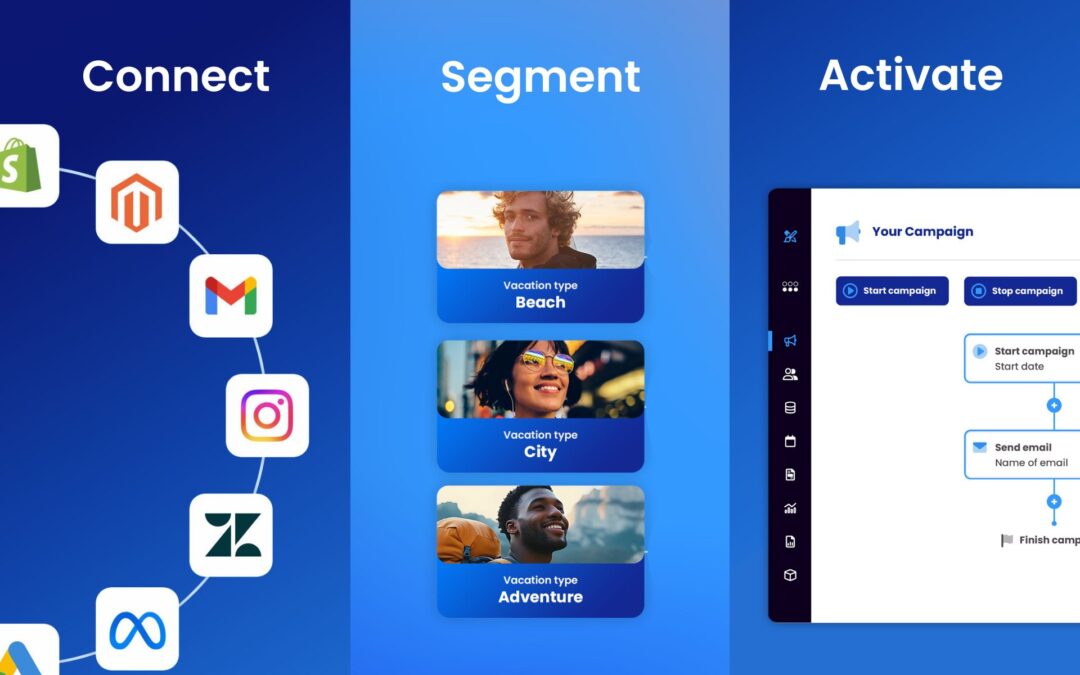
Begin by identifying your target audience and creating detailed subscriber segments based on demographics, behaviour, or preferences. Clear segmentation ensures your automated messages reach the right people with relevant content that matches their interests and needs.
Choose your trigger carefully. Common triggers include form submissions, purchase behaviour, website activity, or time-based events. The trigger should align with your campaign goal and occur frequently enough to justify the automation setup effort.
Create compelling content for each email in your sequence. Write subject lines that encourage opens, craft body content that provides value, and include clear calls to action that guide subscribers towards your desired outcome. Keep messages focused and avoid overwhelming recipients with too much information.
Test your workflow thoroughly before activation. Send test emails to yourself and colleagues, verify that triggers work correctly, and ensure all links function properly. Monitor performance closely during the first few weeks and adjust timing, content, or targeting based on engagement metrics.
What mistakes should you avoid with email marketing automation?
Common automation mistakes include over-automating communications, using poor segmentation, sending irrelevant content, choosing inappropriate timing, and lacking personalisation. These errors can damage customer relationships, reduce engagement, and harm your sender reputation.
Over-automation occurs when businesses automate too many touchpoints, creating impersonal experiences that feel robotic. Maintain balance by combining automated sequences with timely, manual communications that address current events, seasonal promotions, or company updates.
Poor segmentation leads to irrelevant messaging that frustrates subscribers. Avoid sending the same automated sequence to all subscribers regardless of their interests, purchase history, or engagement level. Create specific workflows for different customer types and behaviours.
Timing mistakes include sending emails too frequently, at inappropriate hours, or without considering time zones. Respect subscriber preferences and test different sending times to optimise engagement rates for your specific audience.
Neglecting content quality represents another critical error. Automated emails still require compelling subject lines, valuable content, and clear calls to action. Do not assume automation eliminates the need for high-quality copywriting and design.
How Deployteq simplifies email marketing automation
Deployteq streamlines email marketing automation through unified data management, intuitive journey builders, and advanced segmentation capabilities that eliminate technical barriers while providing powerful automation tools for marketers of all skill levels.
Our platform addresses common automation challenges through several key features:
- Unified customer profiles that automatically consolidate data across all channels into real-time, comprehensive subscriber records
- Visual journey builder that offers drag-and-drop simplicity for creating complex automation workflows without technical expertise
- Advanced segmentation tools that enable precise audience targeting based on behaviour, preferences, and real-time data
- Omnichannel integration that coordinates email automation with SMS, social media, and other communication channels
- Intelligent automation that adapts messaging based on subscriber engagement and behaviour patterns
The platform’s intuitive interface makes sophisticated marketing automation accessible to any marketer, while powerful data management ensures your campaigns reach the right people with personalised content. Ready to transform your email marketing with intelligent automation? Discover how Deployteq can streamline your customer communications and drive better results across every channel.