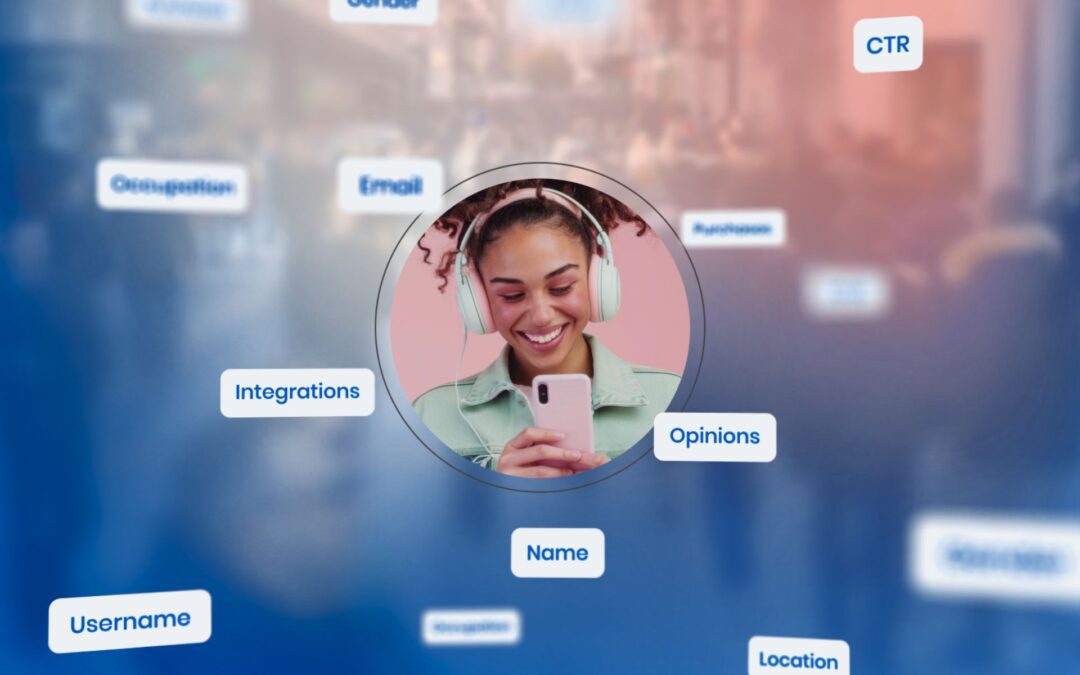
A single customer view is a unified profile that combines all customer touchpoints and data sources into one comprehensive record. This 360-degree customer view enables businesses to understand each customer’s complete journey across channels, preferences, and interactions. It transforms fragmented data into actionable insights that drive personalized marketing and improved customer experiences.
What is a single customer view and why should marketers care?
A single customer view creates one complete profile by combining data from every touchpoint where customers interact with your business. This includes website visits, email engagement, social media activity, purchase history, customer service interactions, and mobile app usage. Instead of having separate data silos, you get one unified customer profile that shows the complete picture.
Marketers should care because fragmented customer data creates significant missed opportunities. When your email team doesn’t know about recent website behavior, or your social media manager can’t see purchase history, you end up sending irrelevant messages that frustrate customers. A unified customer profile enables better decision-making by showing what content resonates, which channels work best, and when customers are most likely to engage.
This comprehensive view allows you to create truly personalized experiences. You can send product recommendations based on browsing history, adjust messaging timing based on engagement patterns, and avoid sending promotional emails for products customers already own. The result is more relevant communication that customers actually want to receive.
What challenges do businesses face without a single customer view?
Without unified customer data, businesses struggle with inconsistent messaging across channels, missed cross-selling opportunities, and poor customer experiences. Customers receive irrelevant emails, repeated requests for information they’ve already provided, and disconnected service experiences that damage brand trust.
The most common problem is inconsistent messaging across channels. Your email marketing platform might promote one offer while your website shows different pricing, or customers receive marketing emails for products they just purchased. This creates confusion and makes your brand appear disorganized.
Missed cross-selling opportunities represent significant revenue loss. Without understanding complete purchase history and preferences, you can’t identify when customers might be ready for complementary products or upgrades. Your sales team lacks context about previous interactions, making conversations less effective.
Customer experience suffers when people have to repeat information multiple times. They provide details to customer service, then get asked the same questions by sales, then need to re-enter preferences for marketing communications. This friction drives customers away and reduces satisfaction scores.
You also can’t track complete customer journeys effectively. Understanding how customers move between touchpoints helps optimize marketing spend and identify which channels drive conversions. Without this visibility, you might invest heavily in channels that don’t actually influence purchase decisions.
How do you create a single customer view from multiple data sources?
Creating customer data unification requires identifying all touchpoints, choosing the right technology platform, establishing integration workflows, and maintaining data quality. The process starts with mapping every place customers interact with your business, then connecting these data sources through a customer data platform.
Start by identifying all customer touchpoints across your business. This includes obvious sources like your website, email platform, and CRM system, but also less obvious ones like customer service tickets, social media interactions, mobile app usage, and offline purchases. Create a comprehensive list of every system that captures customer information.
Choose a customer data platform that can integrate with your existing systems. Look for platforms that offer pre-built connectors for your current tools and can handle real-time data synchronization. The platform should create unique customer profiles and merge data from different sources automatically.
Establish data integration workflows that maintain consistency. Set up processes to clean and standardize data as it enters the system. This includes formatting phone numbers consistently, standardizing address formats, and removing duplicate records. Create rules for how the system handles conflicting information from different sources.
Maintain data quality through regular auditing and cleansing processes. Set up automated checks to identify incomplete profiles, outdated information, and potential duplicates. Train team members on data entry standards to prevent future quality issues.
What are the main benefits of having a unified customer profile?
A unified customer profile delivers improved personalization capabilities, better customer segmentation, more effective marketing campaigns, enhanced customer service experiences, and increased revenue through targeted messaging. These benefits compound over time as your data becomes more comprehensive and accurate.
Improved personalization becomes possible when you understand complete customer preferences and behavior patterns. You can tailor content, product recommendations, and messaging timing based on actual customer data rather than assumptions. This leads to higher engagement rates and stronger customer relationships.
Better customer segmentation allows you to create highly specific audience groups based on multiple data points. Instead of basic demographic segments, you can create groups based on purchase behavior, engagement patterns, lifecycle stage, and predicted interests. This precision targeting improves campaign performance significantly.
More effective marketing campaigns result from understanding which messages resonate with different customer segments. You can test and optimize based on complete customer profiles rather than limited data points. A seamless omnichannel customer experience becomes possible when all channels access the same customer information.
Enhanced customer service experiences happen when support teams can see complete interaction history. They understand previous issues, preferences, and communication history before customers even explain their situation. This reduces resolution time and improves satisfaction.
Increased revenue comes from better timing, more relevant offers, and reduced churn. You can identify upselling opportunities, predict when customers might leave, and send targeted retention campaigns. The combination of better personalization and timing typically increases conversion rates and customer lifetime value.
How Deployteq helps with single customer view implementation
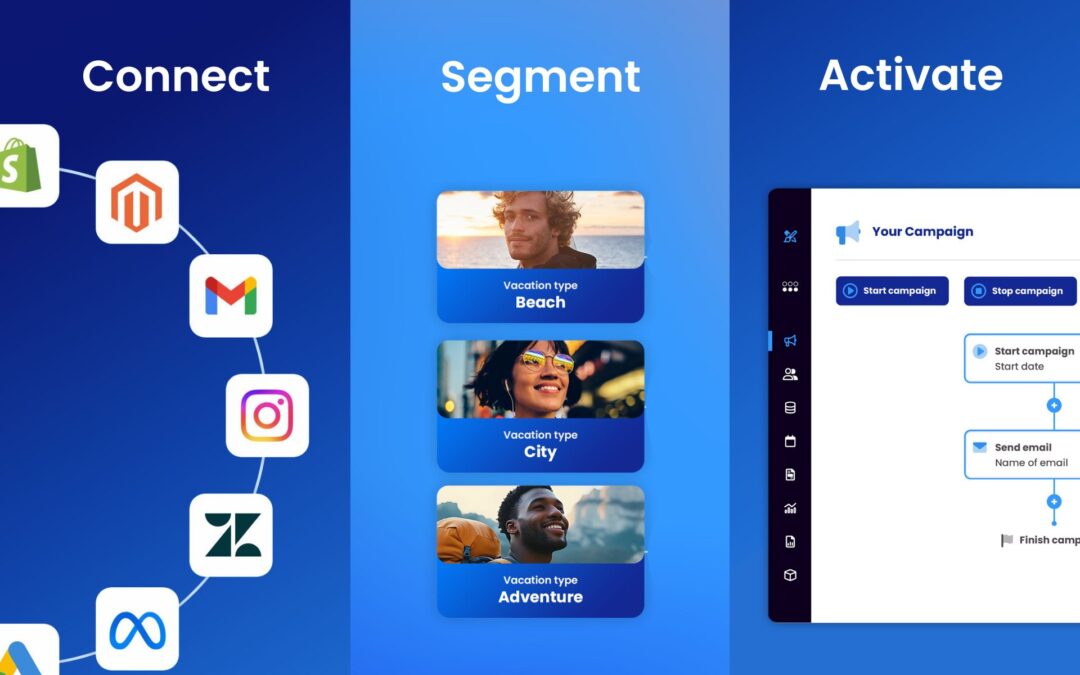
Our marketing automation platform automatically unifies customer data across channels into real-time profiles that power personalized omnichannel experiences. We eliminate the complexity of customer data integration while giving you complete control over segmentation and journey orchestration.
Here’s how we make single customer view implementation straightforward:
- Automatic data unification – We connect with your existing systems and merge customer data into unified profiles without manual processes.
- Real-time profile updates – Customer information updates instantly across all channels when new interactions occur.
- Advanced segmentation capabilities – Build highly personalized customer segments based on any combination of data points.
- Omnichannel journey orchestration – Create seamless experiences across email, SMS, social media, WhatsApp, and more.
- Intuitive automation builder – Design complex customer journeys without technical barriers or coding requirements.
Ready to transform your fragmented customer data into a powerful single customer view? Book a demo to see how our platform can unify your customer data and enable truly personalized marketing automation.