A customer data platform gives marketers a single, unified view of every customer by pulling together data from all your channels and systems into one place. Instead of working with disconnected marketing data spread across your CRM, email tool, and ad platforms, a CDP makes that data actionable in real time. The sections below unpack exactly how that works, what it means for your campaigns, and when the investment makes sense.
How does a CDP actually unify customer data?
A CDP unifies customer data by ingesting information from every touchpoint, such as website visits, email clicks, purchase history, and app behaviour, and stitching it together into a single customer profile. This process resolves duplicate identities, fills in data gaps, and updates profiles continuously so your view of each customer is always current.
The mechanics behind this are more sophisticated than a simple data warehouse. A CDP uses identity resolution to match a customer who browsed on mobile, clicked an email on desktop, and purchased in-store into one coherent record. That means your segments reflect real behaviour rather than fragmented signals from isolated systems.
The result is a 360-degree single customer view that your marketing team can actually use. Profiles become the foundation for everything: segmentation, personalisation, journey triggers, and predictive modelling. Without this foundation, even the best campaign tools work with incomplete information.
What can marketers do with a CDP that they couldn’t do before?
With a CDP, marketers can build hyper-personalised campaigns based on a complete picture of customer behaviour rather than channel-specific snapshots. You can trigger communications based on real-time signals, apply predictive models like RFM scoring and next-best-offer logic, and build segments that update automatically as customer behaviour changes.
Before a CDP, most teams were stuck stitching data together manually, exporting CSVs, waiting on data teams, or simply guessing what customers wanted. With unified data, you can move from reactive campaigns to genuinely intelligent ones.
Practically, this unlocks capabilities like:
- Lifecycle-based triggers: Send the right message at the exact moment a customer’s behaviour signals intent, such as a lapse in engagement or a second purchase milestone.
- Predictive segmentation: Use models like RFM to identify your most valuable customers and those at risk of churning before they disappear.
- Next-best-offer logic: Surface the most relevant product or content for each individual based on their full history, not just their last click.
- Cross-channel consistency: Ensure a customer gets the same personalised experience whether they receive an email, an SMS, or a push notification.
For a retail brand, this might look like automatically suppressing a promotional email for a customer who already converted via paid social that morning. For a travel brand, it means triggering a loyalty reward at the exact point in the booking window when a customer is most likely to upgrade.
What’s the difference between a CDP, a CRM, and a DMP?
The key distinction is purpose and data type. A CRM manages relationships with known customers, primarily for sales and service. A DMP handles anonymous, cookie-based audience data for advertising. A CDP sits between them, unifying both known and behavioural data into persistent customer profiles built specifically to power marketing automation and personalisation.
CRM: relationship management, not activation
Your CRM holds contact records, deal history, and service interactions. It is built for your sales and support teams. While it contains valuable data, it is rarely designed to ingest real-time behavioural signals or power automated campaign logic at scale. Trying to use a CRM as your segmentation engine often means slow, manual processes and data that is always slightly out of date.
DMP: advertising audiences, not persistent profiles
A DMP aggregates third-party and anonymous data for programmatic advertising. Profiles in a DMP are typically cookie-based and short-lived. They are useful for targeting cold audiences, but they do not give you the persistent, identity-resolved profiles you need for CRM-level personalisation. With third-party cookies declining, DMPs are also losing their core data source.
A CDP fills the gap by creating durable, first-party profiles that grow richer over time and connect directly to your campaign execution layer. That is what makes marketing data actionable rather than simply stored.
How does a CDP improve email and cross-channel campaigns?
A CDP improves email and cross-channel campaigns by ensuring every message is informed by the customer’s complete history rather than just their behaviour within a single channel. Segments become more precise, personalisation becomes more relevant, and campaign timing improves because triggers are based on real-time data rather than batch imports.
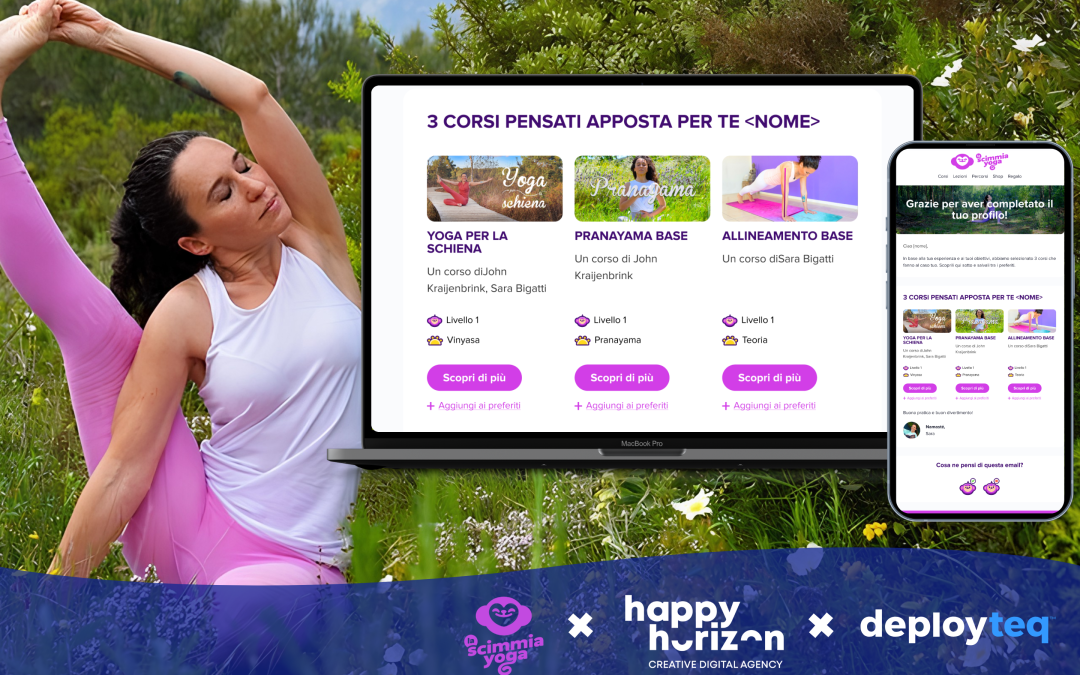
For email specifically, the gains are significant. Rather than sending the same promotional email to your entire list, you can build dynamic segments that reflect where each subscriber sits in their lifecycle. A customer who purchased three times in the last 90 days gets a different message from someone who has not opened in six months. That level of segmentation is only possible when your email marketing platform is connected to unified customer data.
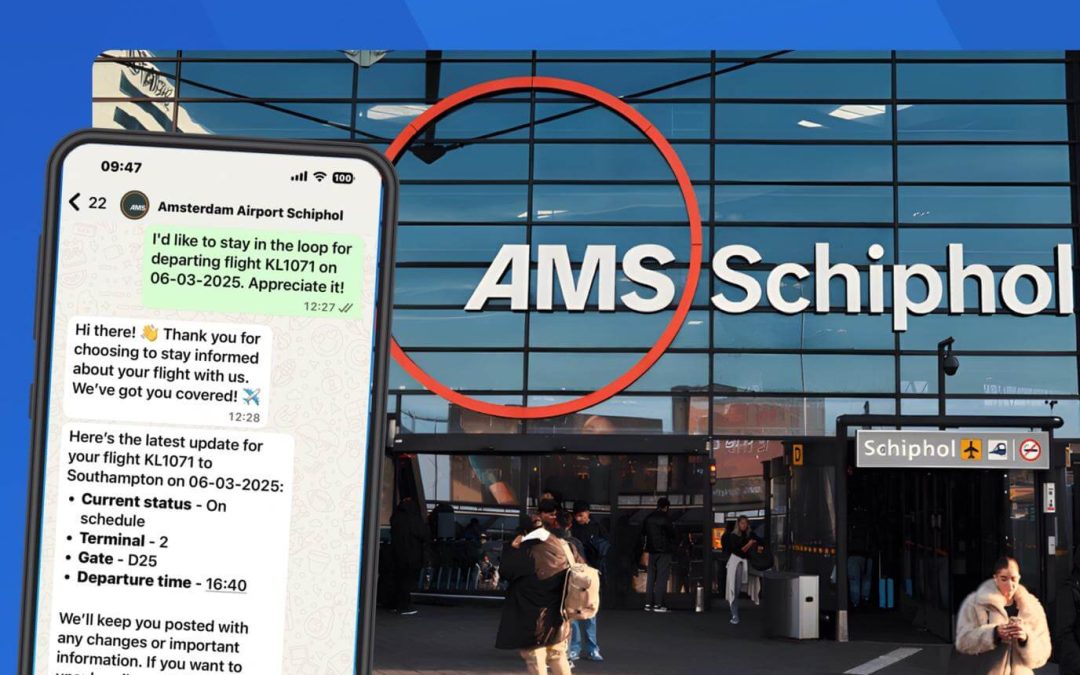
Cross-channel consistency is the other major win. When your CDP feeds the same profile into email, SMS, WhatsApp, push, and web personalisation, customers experience a coherent journey rather than disconnected touchpoints. A cart abandonment flow that starts with a push notification, follows up with an email, and then serves a personalised web banner is only possible when all three channels are reading from the same data source.
When should a marketing team invest in a CDP?
A marketing team should invest in a CDP when disconnected marketing data is actively limiting campaign performance. If your team regularly struggles to build accurate segments, relies on manual data exports, or cannot trigger campaigns based on real-time behaviour, those are clear signals that your current stack is holding you back.
Specific indicators that the timing is right include:
- Your customer data lives in three or more separate systems with no reliable way to sync them.
- Personalisation efforts are limited to basic merge tags because deeper behavioural data is not accessible in your campaign tool.
- Your team spends significant time preparing data rather than using it.
- You are running the same campaign to your entire list because segmentation is too slow or complex to do at scale.
- You cannot identify your most valuable customers or those at churn risk without a manual analysis.
The investment also makes more sense as your customer base and data volume grow. A team sending 50,000 emails a month to a single segment will not feel the pain as acutely as a team managing millions of contacts across multiple channels and lifecycle stages. The more complex your customer base, the more a CDP pays for itself in campaign efficiency and revenue impact.
How Deployteq helps you activate your customer data
We built our Customer Data Platform specifically to close the gap between data you have and data you can actually use. Here is what that looks like in practice:
- Unified customer profiles: We pull together data from every channel into a single, identity-resolved view of each customer, updated in real time.
- Intelligent modelling built in: RFM scoring, next-best-offer logic, and predictive lifecycle insights are available directly within your campaign workflows, no data science team required.
- Direct campaign activation: CDP data connects seamlessly to email, SMS, WhatsApp, push, and web, so your segments are always live and your triggers are always accurate.
- 360-degree single customer view: Every marketer on your team works from the same complete picture, eliminating the silos that create inconsistent experiences.
If your marketing data is not actionable today, that is exactly the problem we are set up to solve. Book a demo and see how the Deployteq CDP works with your existing stack.