Email marketing in 2026 combines advanced automation, AI-powered personalisation and strict privacy compliance to deliver highly targeted campaigns. Modern practices focus on data-driven segmentation, omnichannel integration and sophisticated deliverability strategies. Success requires understanding evolving consumer expectations, leveraging predictive analytics and maintaining authentic engagement across multiple touchpoints while navigating complex regulatory requirements.
What makes email marketing different in 2026 compared to previous years?
Email marketing in 2026 operates in a fundamentally transformed landscape driven by artificial intelligence integration, enhanced privacy regulations and evolved consumer expectations. The shift towards cookieless tracking has made first-party data collection through email more valuable than ever, while AI enables unprecedented personalisation at scale.
Privacy regulations like GDPR and emerging data protection laws have created stricter consent requirements, pushing marketers towards permission-based strategies that prioritise transparency. Consumers now expect highly relevant, contextual messaging that feels personal rather than promotional. This has elevated the importance of behavioural triggers and lifecycle-based communication over traditional batch-and-blast approaches.
Technical advancements include real-time content optimisation, predictive send-time algorithms and cross-channel orchestration that seamlessly integrates email with SMS, social media and web experiences. Mobile-first design has evolved beyond responsive templates to include interactive elements, dark mode compatibility and accessibility features that ensure messages perform across all devices and user preferences.
How do you create personalised email campaigns that actually engage customers?
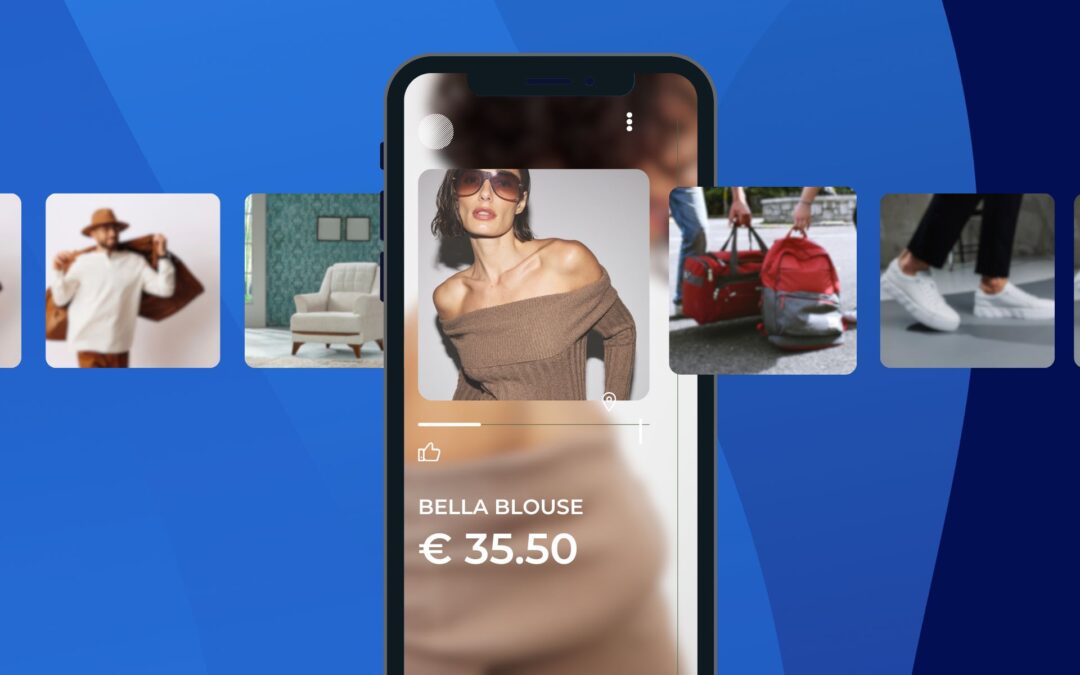
Effective personalisation in 2026 goes beyond inserting names into subject lines, requiring dynamic content adaptation based on individual customer behaviour, preferences and lifecycle stage. Modern personalisation leverages real-time data to create unique experiences for each recipient while maintaining authentic communication that builds genuine relationships.
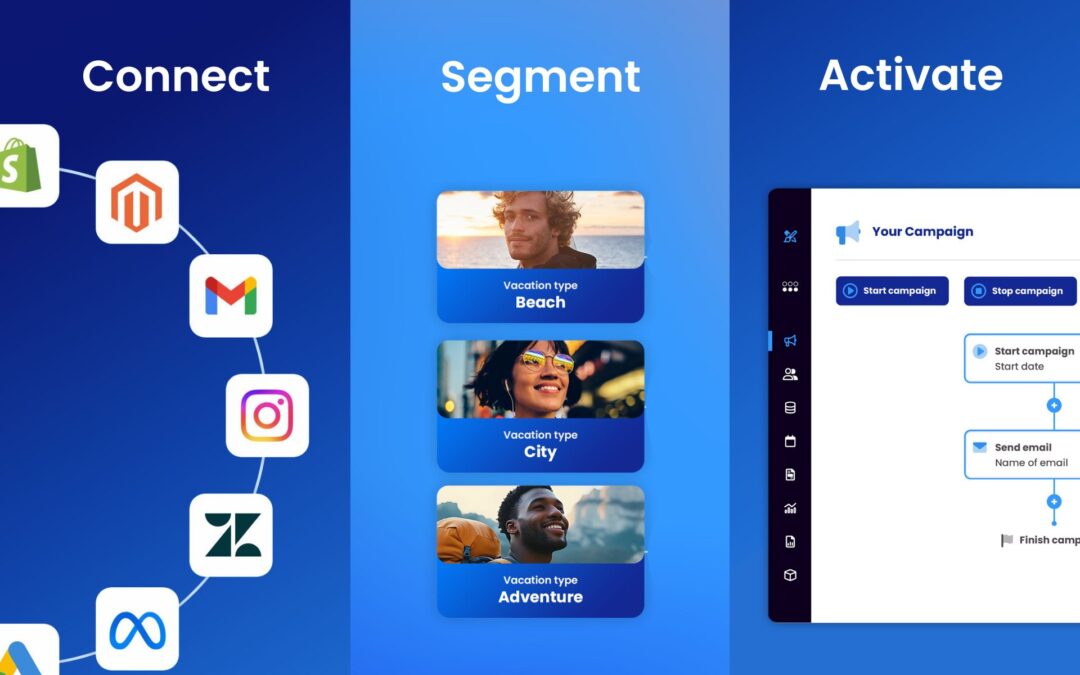
Advanced segmentation combines demographic data with behavioural insights, purchase history and engagement patterns to create highly specific audience groups. This includes micro-segmentation based on browsing behaviour, email interaction patterns and cross-channel activity. Dynamic content blocks automatically adjust product recommendations, messaging tone and visual elements based on recipient characteristics.
Behavioural triggers activate personalised sequences when customers take specific actions or reach certain milestones. These include abandoned browse emails for products viewed but not purchased, re-engagement campaigns for inactive subscribers and celebration emails for loyalty programme achievements. The key is creating relevant touchpoints that feel helpful rather than intrusive, using data to anticipate needs rather than simply react to past behaviour.
What are the most effective email automation workflows for different business goals?
Strategic automation workflows in 2026 focus on lifecycle-based sequences that guide customers through personalised journeys aligned with specific business objectives. Each workflow serves distinct purposes while contributing to overall customer relationship development and revenue generation through targeted, timely communication.
Welcome series remain fundamental, introducing new subscribers to brand values, setting expectations and delivering immediate value through exclusive content or offers. These typically span three to five emails over seven to 14 days, progressing from introduction to product education to community building. Abandoned cart recovery workflows now include browse abandonment, wishlist reminders and multi-step nurturing that addresses common purchase hesitations.
Re-engagement campaigns target inactive subscribers with compelling content designed to rebuild interest before list removal. Post-purchase workflows enhance customer experience through order confirmations, shipping updates, usage tips and review requests. Win-back campaigns use special offers and personalised messaging to reconnect with lapsed customers, while loyalty programmes automate reward notifications and exclusive access communications. A comprehensive marketing automation platform can orchestrate these complex workflows seamlessly across multiple channels.
How do you ensure your emails actually reach the inbox in 2026?
Email deliverability in 2026 requires comprehensive sender reputation management combined with technical authentication, content optimisation and proactive list hygiene practices. Internet service providers use increasingly sophisticated algorithms to filter emails, making consistent delivery dependent on multiple interconnected factors.
Technical authentication includes proper SPF, DKIM and DMARC setup to verify sender identity and prevent spoofing. Regular IP warming for new sending domains, consistent sending patterns and monitoring blacklist status help maintain positive sender reputation. Content optimisation involves avoiding spam trigger words, maintaining healthy text-to-image ratios and ensuring mobile compatibility across all email clients.
List hygiene practices include regular removal of inactive subscribers, validation of email addresses at the point of collection and segmentation by engagement level to protect overall sender reputation. Monitoring key metrics such as bounce rates, spam complaints and engagement patterns helps identify deliverability issues before they impact broader campaign performance. Double opt-in processes and clear unsubscribe mechanisms demonstrate compliance with privacy regulations while building higher-quality subscriber lists.
What metrics should you track to measure email marketing success?
Modern email marketing measurement extends beyond traditional open rates to focus on engagement quality and revenue attribution that demonstrate true business impact. Comprehensive analytics combine immediate response metrics with long-term customer value indicators to provide actionable insights for campaign optimisation.
Engagement metrics include click-through rates, time spent reading emails and conversion rates from email to desired actions. Revenue attribution tracks direct sales from email campaigns plus influenced purchases across multiple touchpoints. Customer lifetime value metrics show how email marketing platform capabilities contribute to long-term relationship building and repeat purchase behaviour.
Advanced analytics include deliverability metrics such as inbox placement rates, spam complaint percentages and unsubscribe rates that indicate list health and content relevance. Segmentation performance analysis reveals which audience groups respond best to specific messaging approaches. Cross-channel attribution shows how email campaigns support broader marketing objectives through assisted conversions and multi-touch customer journeys.
How Deployteq helps with advanced email marketing automation
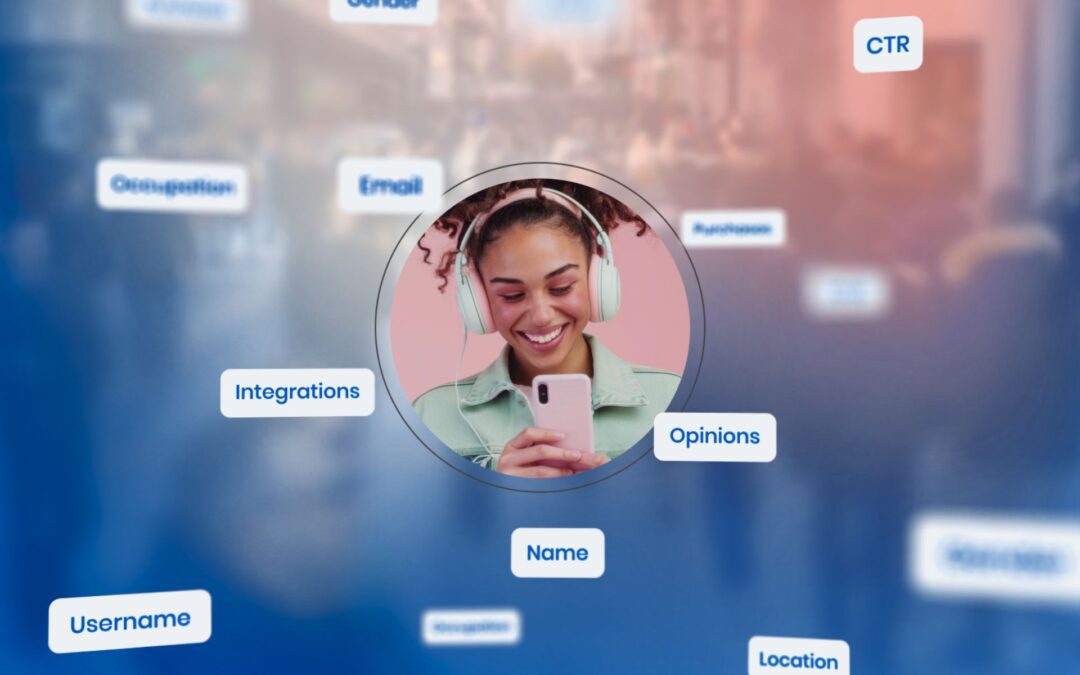
Deployteq’s all-in-one marketing automation platform addresses modern email marketing challenges through integrated data management, intelligent automation and omnichannel orchestration. The platform unifies customer data across touchpoints to create comprehensive profiles that power sophisticated personalisation and targeting strategies through its advanced customer data platform capabilities.
Key capabilities include:
- Advanced segmentation tools that build real-time, highly personalised customer segments based on behaviour and preferences
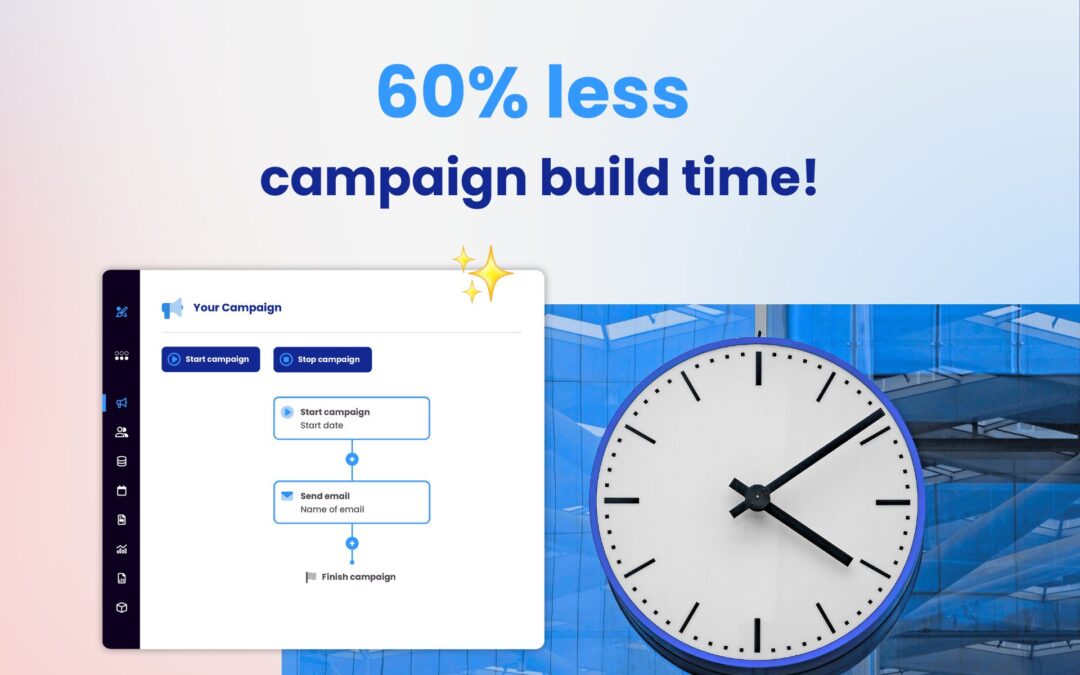
- Versatile journey builder offering complete flexibility in designing automated customer workflows across email, SMS and other channels
- Dynamic content personalisation that adapts messaging, offers and recommendations for individual recipients automatically
- Comprehensive analytics dashboard providing actionable insights into campaign performance and customer engagement patterns
- Deliverability optimisation features including sender reputation monitoring and list hygiene automation
The platform’s intuitive interface removes technical barriers while providing enterprise-level automation capabilities. Real-time data synchronisation ensures campaigns respond immediately to customer actions, while built-in compliance tools help maintain adherence to privacy regulations. Ready to transform your email marketing strategy with powerful automation that delivers personalised experiences at scale? Discover how Deployteq can elevate your customer engagement today.