Marketing automation platforms have transformed how businesses engage with their customers, moving beyond manual, time-consuming processes to create sophisticated, personalised experiences at scale. These platforms enable companies to deliver the right message to the right person at the right time, automatically nurturing leads and customers through intelligent, data-driven campaigns.
For marketing professionals managing complex customer databases and multi-channel campaigns, understanding the full spectrum of benefits these platforms offer is crucial to driving meaningful results and maximising return on investment.
What is a marketing automation platform, and why do businesses need one?
A marketing automation platform is a software solution that automates repetitive marketing tasks, manages customer data, and orchestrates personalised campaigns across multiple channels. It combines customer relationship management, email marketing, lead nurturing, and analytics into a unified system that operates based on predefined triggers and customer behaviours.
Businesses need these platforms because manual marketing processes simply cannot scale effectively in today’s competitive landscape. Without automation, marketing teams spend countless hours on repetitive tasks such as sending follow-up emails, segmenting lists, and tracking campaign performance. Marketing automation platforms eliminate these bottlenecks while delivering more relevant, timely communications that drive higher engagement and conversion rates.
The platform becomes essential when businesses reach a point where their customer base is too large to manage manually or when they need to coordinate complex, multi-touch campaigns across various channels simultaneously.
How do marketing automation platforms improve customer experience?
Marketing automation platforms improve customer experience by delivering highly personalised, relevant content based on individual customer behaviours, preferences, and lifecycle stages. They track every customer interaction and use this data to trigger appropriate responses automatically, ensuring customers receive timely, contextual communications.
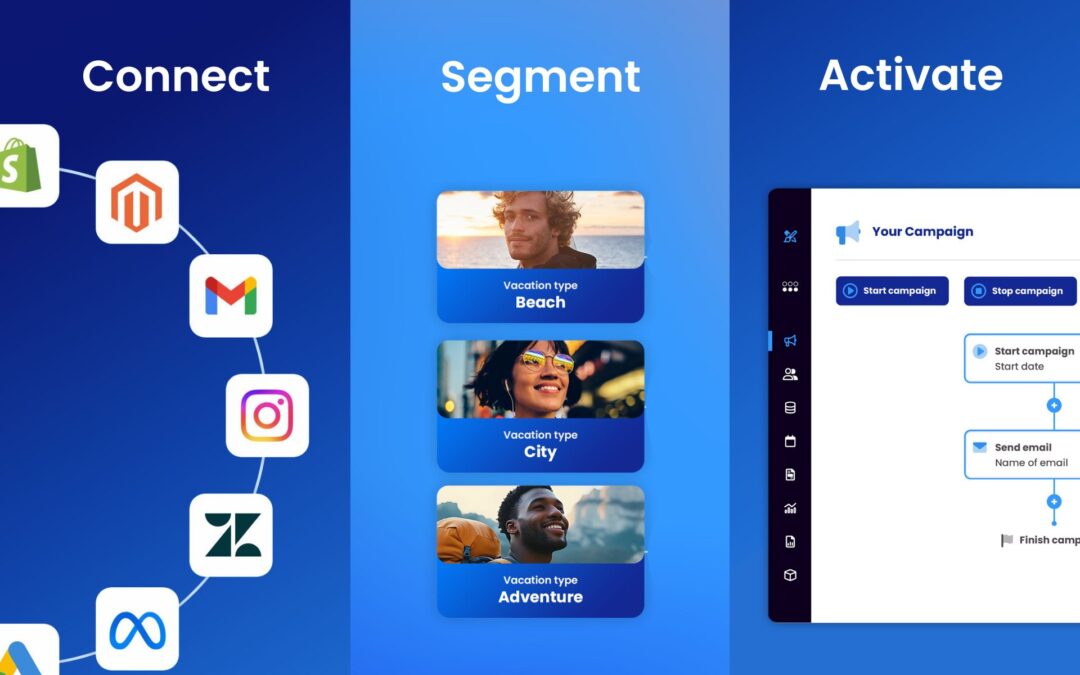
The personalisation capabilities extend far beyond simply inserting a customer’s name into an email. These platforms can segment audiences based on purchase history, browsing behaviour, engagement levels, and demographic data. This enables businesses to send targeted product recommendations, personalised offers, and content that genuinely matches customers’ interests and needs.
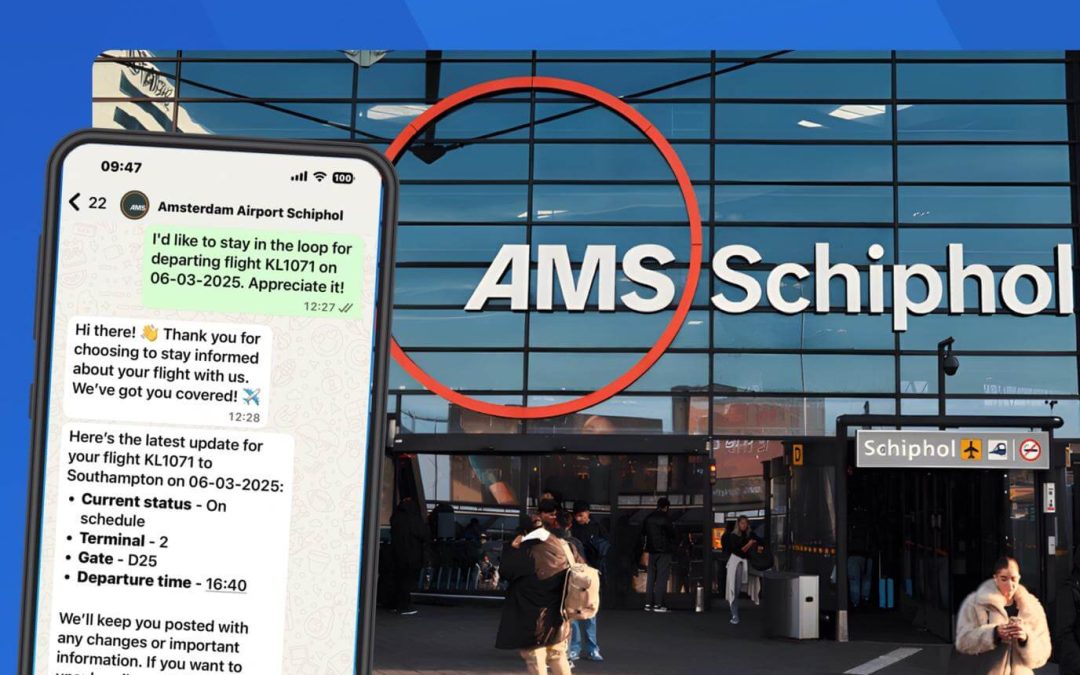
Real-time responsiveness is another key benefit. When a customer abandons their shopping cart, downloads a resource, or reaches a milestone, the platform can instantly trigger relevant follow-up communications. This immediate response creates a seamless, connected experience that makes customers feel understood and valued.
What’s the difference between marketing automation and email marketing?
Marketing automation encompasses email marketing but extends far beyond it to include multi-channel campaign orchestration, lead scoring, customer data management, and advanced behavioural triggers. Email marketing focuses specifically on creating and sending email campaigns, while marketing automation creates comprehensive customer journeys across multiple touchpoints.
Traditional email marketing platforms allow you to send newsletters and basic automated sequences. However, they typically lack the sophisticated data integration and cross-channel capabilities that marketing automation platforms provide. Advanced email marketing within automation platforms includes dynamic content personalisation, complex trigger logic, and seamless integration with other marketing channels.
Marketing automation platforms also offer superior analytics and reporting capabilities, providing insights into complete customer journeys rather than just email performance metrics. This comprehensive view enables more strategic decision-making and campaign optimisation across all marketing activities.
How much time can marketing automation platforms save your team?
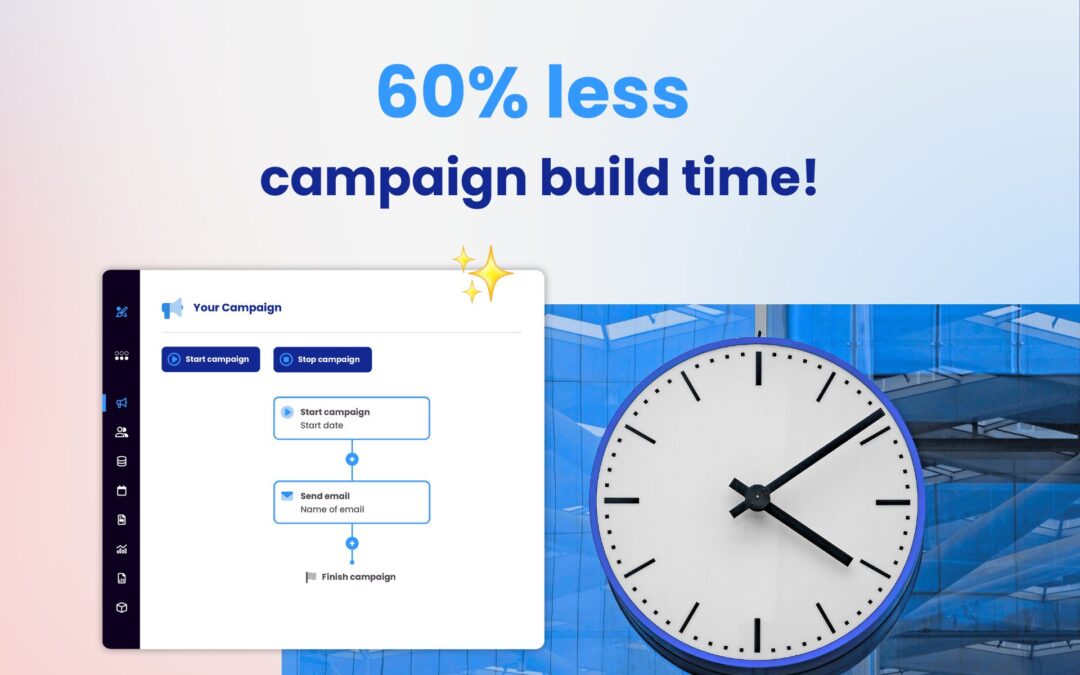
Marketing automation platforms can save marketing teams 10–15 hours per week by eliminating manual tasks such as list segmentation, campaign scheduling, lead qualification, and follow-up communications. The time savings compound as campaigns become more sophisticated and customer databases grow larger.
The most significant time savings come from automated lead nurturing sequences that would otherwise require constant manual intervention. Instead of manually sending follow-up emails, updating customer records, and tracking engagement, these processes run automatically based on predefined rules and triggers.
Beyond direct time savings, automation platforms improve team productivity by providing centralised campaign management, automated reporting, and streamlined workflows. Marketing teams can focus on strategy, creative development, and analysis rather than administrative tasks, leading to more impactful campaigns and better results.
Which marketing channels can automation platforms manage?
Modern marketing automation platforms manage email, SMS, push notifications, social media, web personalisation, and direct mail campaigns from a single interface. They coordinate messaging across these channels to ensure consistent, cohesive customer experiences regardless of how customers choose to engage.
The multi-channel approach allows for sophisticated campaign strategies in which different channels complement each other. For example, a customer might receive an email promotion, see a retargeting ad on social media, and then receive a personalised web experience when they visit your site. Customer data platforms within automation systems ensure all these touchpoints are informed by the same comprehensive customer profile.
Channel coordination also enables intelligent message timing and frequency management. The platform can determine the optimal channel for each customer based on their preferences and engagement history, preventing message fatigue while maximising reach and effectiveness.
How do you measure the success of marketing automation?
Marketing automation success is measured through key performance indicators, including conversion rates, customer lifetime value, engagement metrics, lead scoring progression, and revenue attribution across automated campaigns. These metrics provide insight into both immediate campaign performance and long-term customer relationship development.
Beyond basic open and click rates, sophisticated automation platforms track customer journey progression, measuring how effectively campaigns move prospects through different lifecycle stages. This includes monitoring lead quality improvements, sales cycle acceleration, and customer retention rates that result from automated nurturing programmes.
Revenue attribution is particularly important, as it connects automated marketing activities directly to business outcomes. The best platforms provide detailed reporting on which automated campaigns and touchpoints contribute most significantly to conversions and customer value, enabling continuous optimisation of automation strategies.
How Deployteq helps with marketing automation benefits
We provide a comprehensive marketing automation platform that delivers all these benefits through an intuitive, powerful interface designed for marketing professionals who need results, not complexity. Our platform combines advanced segmentation capabilities, cross-channel campaign management, and intelligent customer data consolidation to maximise the impact of your marketing efforts.
Key advantages of our platform include:
- Superior email marketing capabilities with advanced template design and segmentation
- Unified customer data management through our integrated Customer Data Platform
- A flexible journey builder that adapts to your specific business needs
- Real-time personalisation across email, SMS, WhatsApp, push notifications, and web
- Intelligent modelling, including RFM analysis and predictive insights
Ready to experience these benefits firsthand? Book a demo to see how our marketing automation platform can transform your customer engagement and drive measurable results for your business.