A marketing CDP enables next-best-offer predictions by unifying customer data from every touchpoint into a single profile, then applying predictive models to identify which product, service, or promotion each individual is most likely to respond to next. The accuracy of those predictions depends directly on the richness and recency of the data feeding the model. The sections below unpack exactly how that process works, from raw data to real-time offer delivery.
What data does a CDP use to generate next-best-offer predictions?
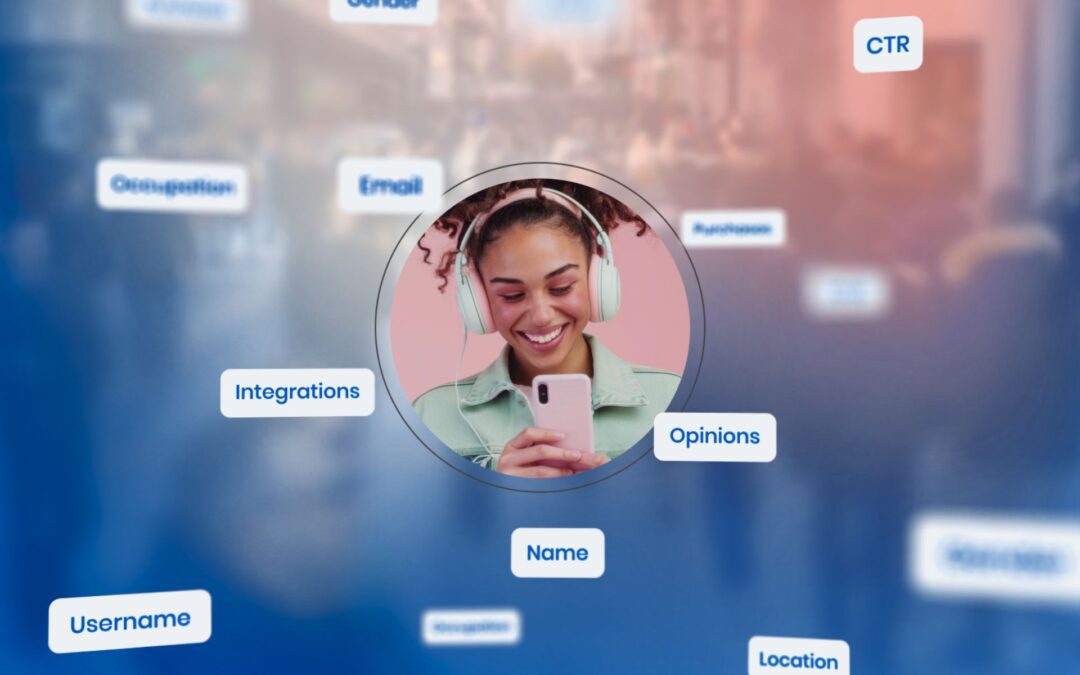
A marketing CDP draws on behavioural, transactional, and contextual data to generate next-best-offer predictions. This includes purchase history, browsing patterns, email engagement, loyalty status, product affinity, and recency of activity. The more complete the customer profile, the more precise the prediction becomes.
Most CDPs pull this data from sources that previously sat in silos: your e-commerce platform, CRM, email tool, mobile app, and even offline purchase data. When that disconnected marketing data is consolidated into one profile, patterns emerge that simply are not visible when you look at each source in isolation.
Predictive models typically weight signals like:
- Recency: How recently did this customer purchase or engage?
- Frequency: How often do they buy or interact?
- Monetary value: What is their average spend?
- Category affinity: Which product types do they repeatedly browse or buy?
- Lifecycle stage: Are they a new customer, a loyal repeat buyer, or showing churn signals?
This combination of signals is what makes CDP-powered predictions meaningfully different from simple rule-based recommendations.
How does a CDP turn customer data into offer recommendations?
A CDP turns customer data into offer recommendations by running unified profiles through intelligent models that score each customer against a catalogue of available offers. The model calculates the probability that a given customer will respond positively to each option, then surfaces the highest-scoring offer for that individual at that moment in time.
The process typically works in three stages:
- Profile enrichment: The CDP ingests and merges data streams to build a 360-degree single customer view, resolving identity across devices and channels.
- Model scoring: Algorithms such as RFM (Recency, Frequency, Monetary) or collaborative filtering score each customer against available offers based on their behaviour and the behaviour of similar customers.
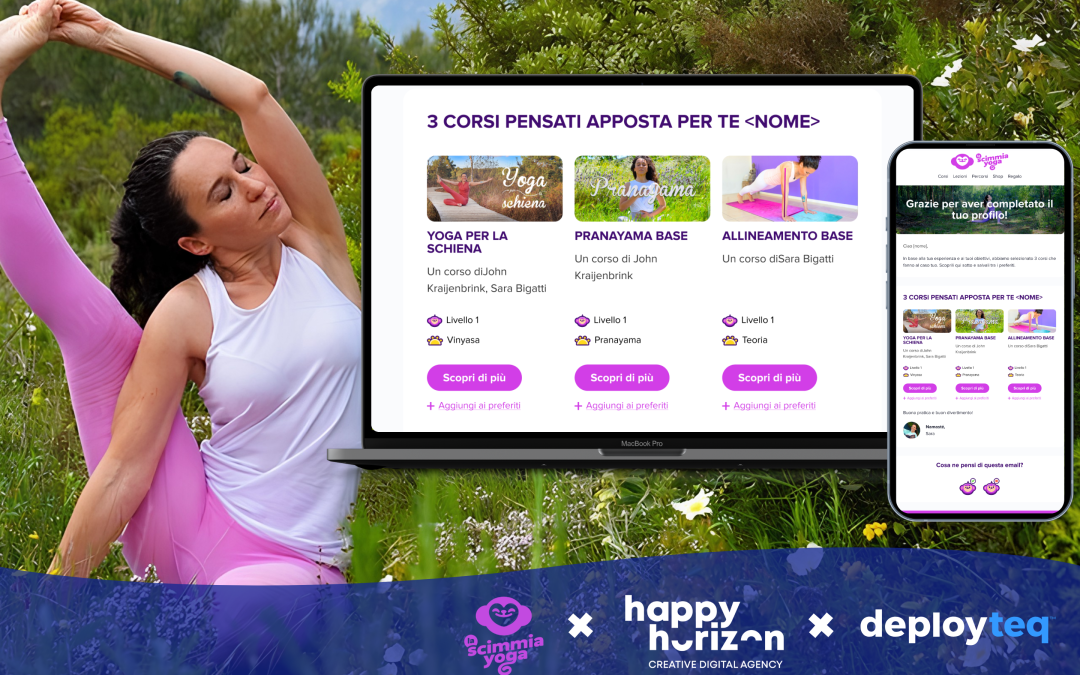
- Activation: The winning offer is pushed into your campaign layer, whether that is an email, an SMS, a push notification, or a personalised web experience.
The critical point here is that marketing data not actionable in isolation becomes genuinely useful only when it flows seamlessly from the CDP into your campaign execution layer. Without that connection, even the best prediction sits idle in a database.
What’s the difference between next-best-offer and next-best-action?
Next-best-offer focuses specifically on which product, service, or promotion to present to a customer. Next-best-action is broader: it determines the most valuable thing a brand should do next, which might be making an offer, but could equally be sending a loyalty reward, requesting a review, or simply not contacting the customer at all.
Think of it this way: next-best-offer is a subset of next-best-action. A retail brand might use next-best-offer to decide which product to feature in a post-purchase email. A travel brand might use next-best-action to decide whether to send a destination recommendation, a loyalty points reminder, or a re-engagement campaign, depending on where the customer sits in their booking cycle.
In practice, the most sophisticated marketers use both. Next-best-action governs the overall communication strategy, while next-best-offer drives the specific content within that communication. A strong marketing automation setup connects these two layers so that the right action and the right offer are always delivered together.
Which marketing channels can deliver CDP-powered next-best-offer predictions?
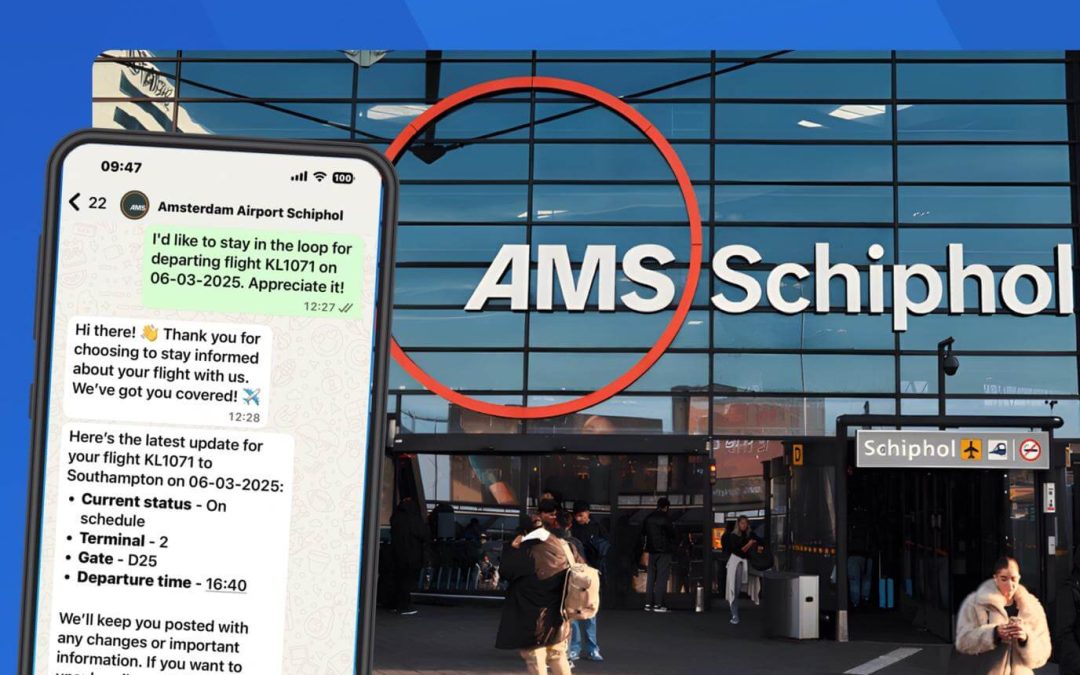
CDP-powered next-best-offer predictions can be delivered across any channel where your platform supports activation, including email, SMS, WhatsApp, push notifications, and personalised web experiences. The key requirement is that your CDP connects directly to your campaign execution layer rather than requiring manual data exports.
Email remains the highest-volume channel for offer delivery, given its ability to carry rich, personalised content at scale. But the real advantage of a connected CDP is the ability to serve the same prediction across multiple channels simultaneously, or to escalate across channels if the first touchpoint does not convert.
For example, a finance brand might surface a next-best-offer for a savings product via email, then follow up with an SMS reminder three days later if the email goes unopened. A retail brand might personalise the homepage banner for a returning visitor based on their predicted next purchase category. In each case, the offer logic originates from the same CDP model, but the delivery channel adapts to where the customer is most likely to engage.
How accurate are next-best-offer predictions from a CDP?
The accuracy of next-best-offer predictions from a CDP depends on three factors: the volume of historical data available, the quality of data unification, and how recently the model has been updated. Brands with rich, well-connected data typically see meaningful lifts in conversion rates compared to generic broadcast campaigns, though exact figures vary by sector and model maturity.
Predictions improve over time. In the early stages, a model trained on limited data will produce reasonable but imperfect recommendations. As more behavioural signals flow in and the model learns from campaign outcomes, precision increases. This is why starting early matters: the sooner you begin collecting unified data, the faster your predictions mature.
It is also worth noting that accuracy is not binary. A prediction does not need to be perfect to be valuable. Even a moderate improvement in offer relevance reduces unsubscribe rates, increases click-through, and improves LTV. The goal is continuous improvement, not a single perfect recommendation engine launched on day one.
When should a brand start using CDP-driven next-best-offer models?
A brand should start using CDP-driven next-best-offer models as soon as it has a meaningful volume of customer transaction or engagement data and is experiencing the frustration of disconnected marketing data limiting personalisation. You do not need a perfect data infrastructure to begin. You need enough unified history to establish patterns.
A practical signal that you are ready: if your team is manually segmenting audiences, exporting lists between tools, or sending the same offer to your entire database because personalisation feels too complex, a CDP with predictive modelling will immediately change what is possible.
Brands in retail, travel, and entertainment are often the fastest to see results because of their high transaction frequency and rich behavioural data. Finance and insurance brands typically see strong outcomes in cross-sell scenarios, where next-best-offer models can identify the right moment to introduce a complementary product based on lifecycle signals.
The honest answer is: the best time to start was six months ago. The second-best time is now, because every month of unified data you collect today improves the accuracy of every prediction you make in the future.
How Deployteq powers next-best-offer predictions
We built our Customer Data Platform specifically to close the gap between data and action. Rather than treating prediction and campaign delivery as separate problems, our CDP connects them directly, so your next-best-offer models activate in real time across email, SMS, WhatsApp, push, and web without manual intervention.
Here is what that looks like in practice:
- Unified customer profiles: All data sources merged into a single 360-degree view, resolving identity across devices and channels.
- Built-in intelligent models: RFM scoring, next-best-offer, and predictive lifecycle insights available natively within the platform.
- Direct campaign activation: Predictions flow straight into your journeys across every channel, no exports, no manual steps.
- Hyper-personalised content: Each customer receives the offer most relevant to them, at the moment they are most likely to act.
If your marketing data is not actionable today, that is the exact problem we designed our CDP to solve. Book a demo to see how next-best-offer modelling works inside Deployteq.