Financial services companies should segment email lists based on customer lifecycle stage, product usage, transaction behavior, and demographic factors to deliver relevant, compliant communications. Effective segmentation in this regulated industry requires balancing personalization with strict compliance requirements while leveraging rich customer data from banking relationships, insurance policies, and investment portfolios.
Financial services marketers have access to exceptionally detailed customer data, but they must navigate complex regulatory frameworks while creating meaningful customer experiences. The key lies in building segments that drive engagement without compromising trust or violating regulations.
What customer data can financial services use for email segmentation?
Financial services companies can segment using transactional data, account balances, product ownership, credit scores, life events, and behavioral patterns from digital interactions. This rich dataset enables highly targeted campaigns based on actual financial behaviors and needs rather than assumptions.
Transaction history provides powerful segmentation opportunities. Banks can identify customers who frequently travel internationally, make large purchases, or show seasonal spending patterns. Insurance companies can segment based on claim history, policy renewals, and coverage gaps. Investment firms can use portfolio performance, trading frequency, and risk tolerance levels.
Account-level data offers additional segmentation layers. Current account balances, credit utilization rates, loan payment history, and savings patterns reveal customer financial health and product needs. Life stage indicators such as first-time homebuyers, recent graduates, or approaching retirement create natural segments for relevant product recommendations.
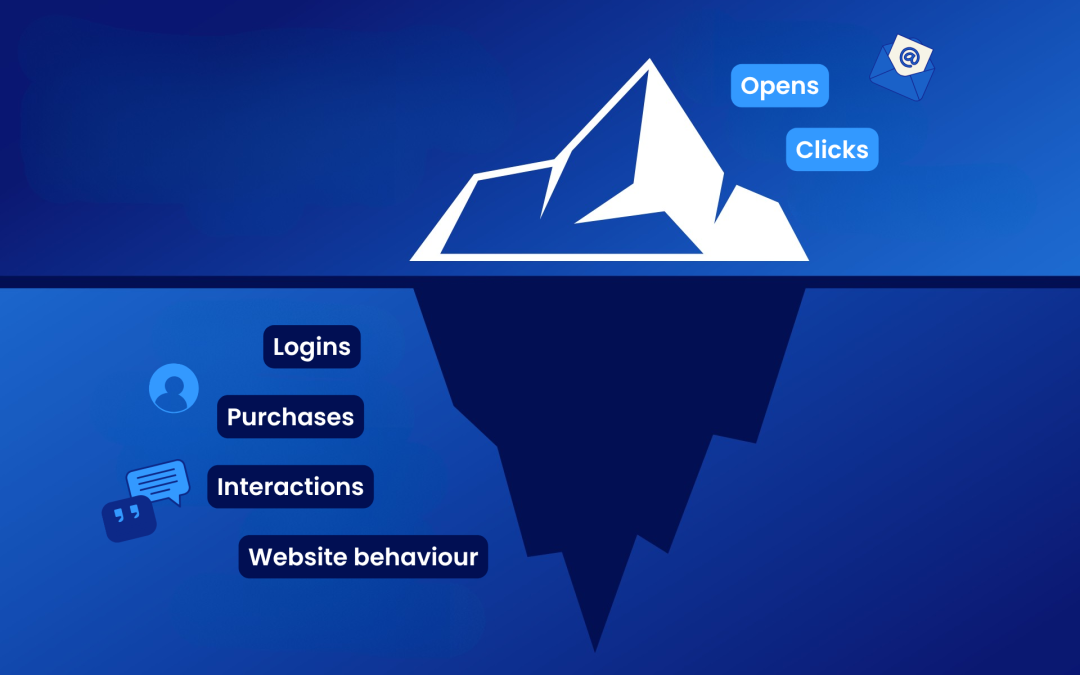
Digital engagement data complements financial data beautifully. Website behavior, mobile app usage, customer service interactions, and email engagement history help identify communication preferences and optimal timing for outreach.
How do compliance requirements affect email segmentation in finance?
Compliance requirements limit segmentation to explicitly consented data while requiring clear audit trails and the ability to exclude customers from specific communications based on regulatory restrictions. Financial services must maintain detailed records of how segments are created and ensure all marketing communications meet industry-specific disclosure requirements.
GDPR and similar privacy regulations require explicit consent for marketing communications, meaning segments must be built only from customers who have opted in. Financial services must also honor granular preferences, allowing customers to receive account alerts while declining promotional offers.
Industry-specific regulations add complexity. Banks must comply with fair lending practices when promoting credit products, ensuring segments don’t inadvertently discriminate against protected classes. Insurance companies face regulations around how they can use health data or claims history for marketing purposes.
Documentation becomes critical for compliance audits. Every segment must have clear business justification, defined inclusion criteria, and regular review processes. This means implementing robust data governance practices and maintaining detailed logs of segmentation decisions.
What are the most effective segmentation strategies for banks?
Banks achieve the best results by segmenting customers based on relationship depth, life stage, and product usage patterns combined with transaction behavior analysis. Multi-product customers, high-value depositors, and customers showing signs of financial stress require distinctly different communication strategies.
Relationship-based segmentation proves most valuable for banks. Single-product customers receive different messaging than those with checking, savings, and loan relationships. High-net-worth individuals warrant specialized communication about investment services and private banking options.
Life stage segmentation drives relevant product recommendations. Recent graduates might receive information about first credit cards and budgeting tools, while established professionals see mortgage refinancing offers and investment opportunities. Empty nesters might be interested in retirement planning and travel rewards programs.
Behavioral triggers create timely segments. Customers with declining balances might benefit from budgeting resources, while those with increasing deposits could be candidates for investment products. Frequent international transactions suggest travel rewards credit cards or foreign exchange services.
Geographic segmentation adds local relevance. Branch-specific promotions, local business banking services, and region-specific financial products increase engagement when delivered to geographically relevant segments.
How should insurance companies segment their email lists?
Insurance companies should segment by policy type, coverage gaps, claim history, and renewal dates while incorporating life events and risk factors to deliver timely, relevant communications. This approach ensures customers receive information about appropriate coverage options and important policy updates.
Policy-based segmentation forms the foundation. Auto insurance customers receive different communications than homeowners or life insurance policyholders. Multi-policy customers warrant cross-selling opportunities and loyalty program information.
Renewal timing creates critical segments. Customers approaching renewal dates receive retention-focused communications, while recently renewed customers might be candidates for additional coverage options. Lapsed policyholders require re-engagement campaigns with special offers or simplified application processes.
Life event segmentation drives highly relevant communications. New homeowners need property insurance information, while new parents might be interested in life insurance increases. Marriage, divorce, job changes, and retirement all create segmentation opportunities for appropriate coverage adjustments.
Risk profile segmentation helps with both pricing and communication strategies. Low-risk customers might receive safe driver discounts or preferred rates, while higher-risk segments get safety tips and risk reduction resources that could lower their premiums over time.
When should you segment by customer lifecycle stage in financial services?
Financial services should segment by lifecycle stage when onboarding new customers, during product adoption phases, at renewal periods, and when customers show signs of changing financial needs or potential churn. Lifecycle-based segmentation ensures communications match where customers are in their financial journey.
New customer onboarding requires careful lifecycle segmentation. Recent account holders need educational content about available services, mobile app tutorials, and guidance on maximizing their relationship benefits. This segment requires frequent, helpful communications to build engagement and prevent early churn.
Product adoption stages create natural segments. Customers who opened accounts but haven’t activated online banking need different messaging than those actively using digital services. Similarly, credit card holders who haven’t made their first purchase require activation campaigns, while active users might receive spending insights and rewards information.
Renewal periods demand lifecycle-focused segmentation. Insurance customers approaching policy renewals need different communications than those who recently renewed. Long-term customers might receive loyalty benefits, while newer customers get education about coverage options.
Churn risk indicators trigger important lifecycle segments. Customers showing decreased engagement, declining balances, or reduced product usage need retention-focused communications with special offers or personal outreach from relationship managers.
How do you measure email segmentation success in financial services?
Financial services measure segmentation success through engagement metrics, conversion rates, customer lifetime value changes, and compliance adherence rates while tracking revenue attribution from segmented campaigns. Success measurement must balance marketing effectiveness with regulatory requirements and customer satisfaction.
Traditional email metrics provide baseline measurement. Open rates, click-through rates, and unsubscribe rates show immediate engagement differences between segments. However, financial services must dig deeper into business impact metrics to justify segmentation investments.
Conversion tracking reveals segmentation effectiveness. Product adoption rates, application completions, and account upgrades demonstrate whether segments receive relevant offers. Cross-selling success rates show how well segments identify expansion opportunities within existing customer relationships.
Customer lifetime value analysis provides long-term success measurement. Properly segmented customers should show higher retention rates, increased product adoption, and growing account balances over time. This requires connecting email engagement data with broader customer relationship metrics.
Compliance metrics ensure segmentation doesn’t create regulatory risks. Complaint rates, opt-out patterns, and audit findings help identify segments that might be receiving inappropriate communications or violating consent preferences.
Revenue attribution connects segmentation directly to business outcomes. Tracking which segments generate loan applications, investment account openings, or insurance policy purchases demonstrates the financial impact of improved targeting and personalization efforts.
How Deployteq helps with financial services email segmentation
We provide financial services companies with advanced segmentation capabilities that balance personalization with compliance requirements through our integrated customer data platform and sophisticated automation tools. Our platform enables real-time segmentation based on transaction data, account behaviors, and lifecycle stages while maintaining detailed audit trails for regulatory compliance.
Our solution offers financial services marketers:
- Compliance-ready segmentation: Built-in consent management and audit trails that meet financial industry regulations
- Real-time behavioral triggers: Instant segmentation based on transaction patterns, account changes, and digital engagement
- Advanced lifecycle automation: Sophisticated journey builder that adapts to customer financial milestones and product adoption stages
- Cross-channel consistency: Unified segments across email, SMS, and digital channels for cohesive customer experiences
Ready to transform your financial services email marketing with intelligent segmentation? Book a demo to see how our marketing automation platform can help you deliver compliant, personalized communications that drive customer engagement and business growth.