Email flows are automated sequences of targeted messages that transform casual website visitors into loyal customers through strategic, personalised communication. Unlike one-off campaigns, these automated sequences are triggered by specific customer actions, guiding browsers through carefully crafted touchpoints that build trust, address objections, and encourage repeat purchases through timely, relevant messaging.
What are email flows and why do they turn browsers into buyers?
Email flows are automated email sequences that send targeted messages based on specific customer actions or predetermined timelines. They guide potential customers through strategic touchpoints designed to nurture relationships and drive conversions without manual intervention.
Unlike one-off email campaigns that send the same message to your entire list, email flows deliver personalised content at precisely the right moment. When someone browses your website, abandons their cart, or makes their first purchase, automated flows respond immediately with relevant messaging.
These sequences work because they address customers exactly where they are in their buying journey. A browser who has just discovered your brand needs different information from someone who has already purchased. Flows deliver this contextual relevance automatically, building trust through helpful content rather than pushy sales messages.
The automation aspect means your marketing works around the clock. While you sleep, your email flows are nurturing prospects, recovering abandoned sales, and encouraging repeat purchases. This consistent touchpoint strategy keeps your brand top of mind when customers are ready to buy.
How do you map the customer journey for effective email flows?
Customer journey mapping for email flows starts with identifying key behavioural triggers from first website visit through to repeat purchase. You need to understand which actions indicate buying intent, where customers typically drop off, and what information they need at each stage.
Begin by tracking customer touchpoints across your website and sales process. Look at pages visited, time spent browsing, items viewed, and cart behaviour. These actions reveal customer intent and create natural trigger points for automated messaging.
Map out the emotional journey alongside the practical one. New visitors feel curious but cautious. Cart abandoners show interest but have concerns. Recent buyers experience excitement but may need reassurance. Your email content should address these emotional states.
Identify decision-making moments when customers need additional information or encouragement. Common trigger points include product page visits, cart abandonment, email engagement, purchase completion, and periods of inactivity. Each represents an opportunity for targeted communication.
Consider timing carefully. Send welcome messages immediately, browse abandonment emails within hours, and cart recovery sequences over several days. Post-purchase flows might span weeks, while re-engagement campaigns target longer periods of inactivity.
What types of email flows work best for converting browsers?
The most effective email flows for converting browsers include welcome series, abandoned cart sequences, browse abandonment campaigns, post-purchase follow-ups, and re-engagement flows. Each serves a specific purpose in the customer journey and works best when integrated into a comprehensive strategy.
Welcome series introduce new subscribers to your brand, values, and best products. These flows typically include three to five emails sent over the first week, establishing expectations and building trust. They often achieve the highest engagement rates because recipients have actively chosen to hear from you.
Browse abandonment flows target visitors who viewed products but did not purchase. These sequences remind customers about items they showed interest in, often including product recommendations and social proof. They are particularly effective for higher-consideration purchases where customers research before buying.
Abandoned cart sequences recover lost sales by addressing common purchase barriers. The first email typically arrives within an hour, followed by additional messages that might include incentives, urgency, or alternative product suggestions. These flows often recover significant revenue.
Post-purchase flows build customer relationships and encourage repeat buying. They include order confirmations, shipping updates, usage tips, and complementary product recommendations. These sequences turn one-time buyers into loyal customers.
Re-engagement campaigns target inactive subscribers with compelling content designed to reignite interest. They might include special offers, new product announcements, or a simple check-in asking whether customers want to continue receiving emails.
How do you segment customers for personalised email flows?
Customer segmentation for email flows involves dividing your audience based on behaviour, purchase history, engagement levels, and demographics. Dynamic segmentation automatically adjusts flow content based on real-time customer actions, ensuring messages remain relevant as customer preferences evolve.
Behavioural segmentation is the most effective approach for email flows. Track website activity, email engagement, purchase frequency, and product preferences. Customers who browse premium products need different messaging from bargain hunters. Frequent buyers deserve VIP treatment compared with occasional purchasers.
Purchase history segmentation allows for sophisticated personalisation. First-time buyers need onboarding and education. Repeat customers appreciate exclusive offers and early access. High-value customers warrant premium service and personalised attention.
Engagement-based segments help optimise send frequency and content type. Highly engaged subscribers can receive more frequent communication, while less active segments might respond better to special offers or different content formats.
Geographic and demographic data enable location-specific offers and culturally relevant content. Age, gender, and lifestyle factors influence product preferences and communication styles. However, behavioural data is typically more predictive than demographic assumptions.
Dynamic segmentation automatically updates customer segments based on new actions. When someone makes their first purchase, they automatically move from prospect flows to customer flows. This real-time adjustment ensures messaging stays relevant without manual intervention.
What makes an email flow convert browsers into repeat customers?
Converting email flows combine compelling subject lines, personalised content, strategic timing, clear calls to action, and value-driven messaging. The key lies in balancing promotional content with educational value to build long-term customer relationships rather than just driving immediate sales.
Subject lines determine whether emails get opened. Use curiosity, urgency, or personal benefit to encourage opens. Avoid spam triggers and misleading promises. Test different approaches to find what resonates with your audience segments.
Personalisation goes beyond using someone’s name. Reference specific products they viewed, acknowledge their purchase history, and tailor recommendations to their demonstrated interests. This relevance makes customers feel understood rather than marketed to.
Timing affects both open rates and conversion rates. Send welcome emails immediately, browse abandonment messages within hours, and cart recovery sequences over several days. Consider time zones and typical customer behaviour patterns when scheduling automated sends.
Clear calls to action guide customers towards desired outcomes without confusion. Use action-oriented language, create visual prominence, and limit choices to avoid decision paralysis. Each email should have one primary goal.
Value-driven content builds trust and positions your brand as helpful rather than pushy. Include usage tips, styling advice, or industry insights alongside promotional messages. Customers who find your emails useful are more likely to remain engaged and make repeat purchases.
Mobile optimisation ensures emails display properly across devices. Most customers read emails on smartphones, so design for small screens first. Use responsive templates and test across different email clients to ensure a consistent experience.
How Deployteq helps with building high-converting email flows
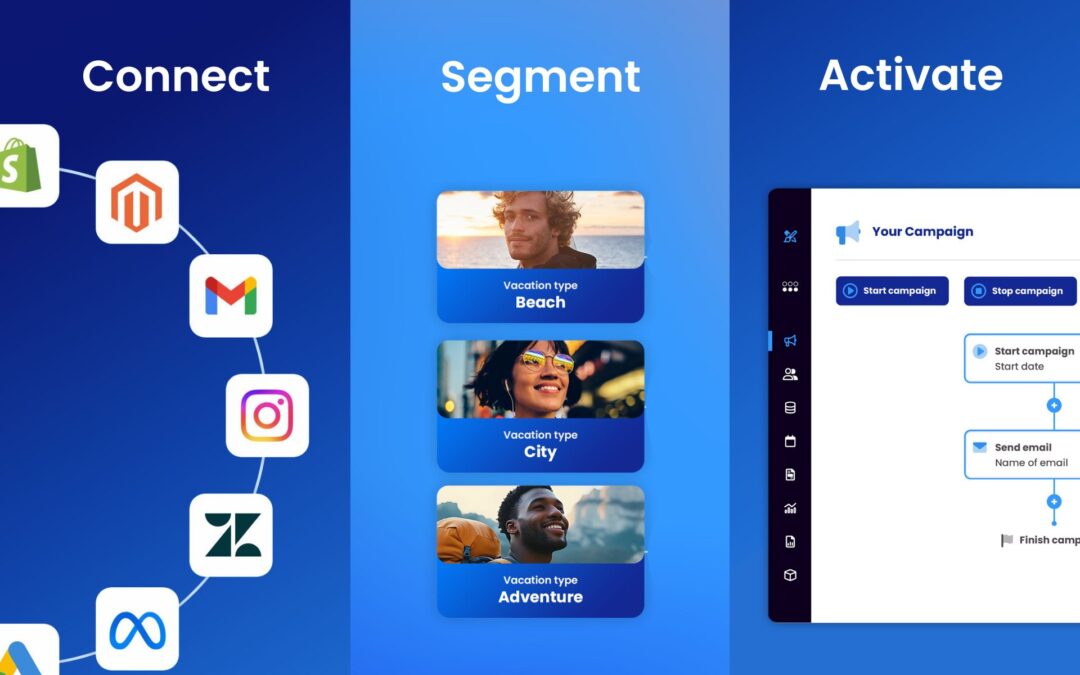
Deployteq’s marketing automation platform enables sophisticated email flow creation through advanced segmentation capabilities, intuitive journey-builder tools, and unified customer data management. Our email marketing platform transforms complex automation into manageable, results-driven campaigns.
Key features that enhance email flow performance include:
- Advanced segmentation tools that create real-time, highly personalised customer segments based on behaviour, purchase history, and engagement patterns
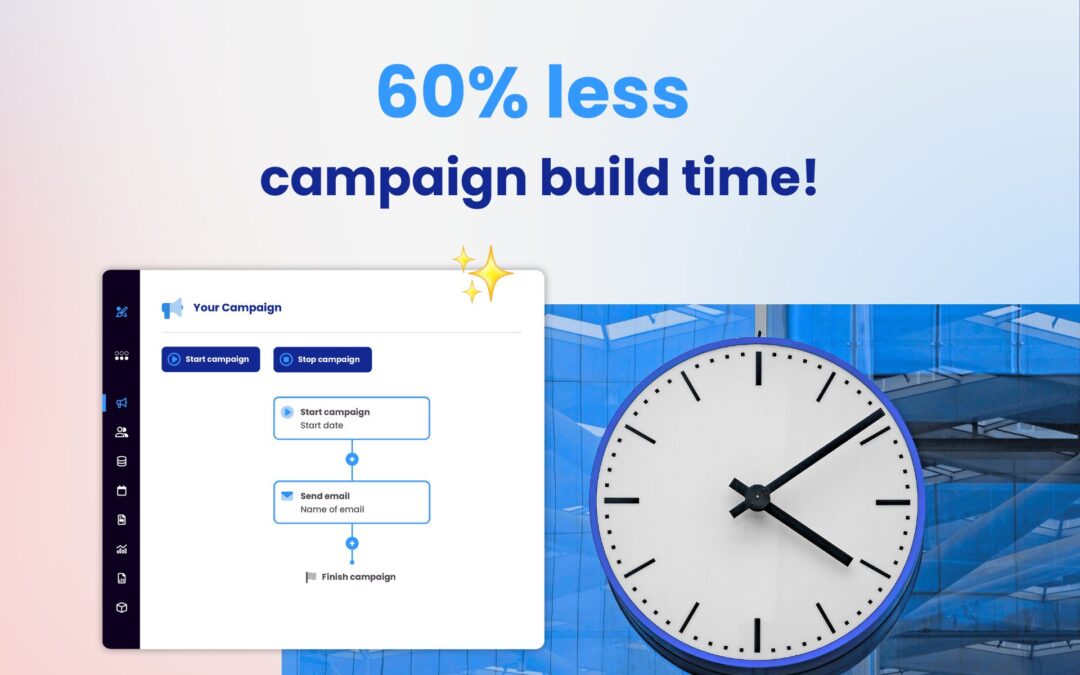
- Versatile journey builder offering complete freedom and flexibility in designing customer journeys with drag-and-drop simplicity
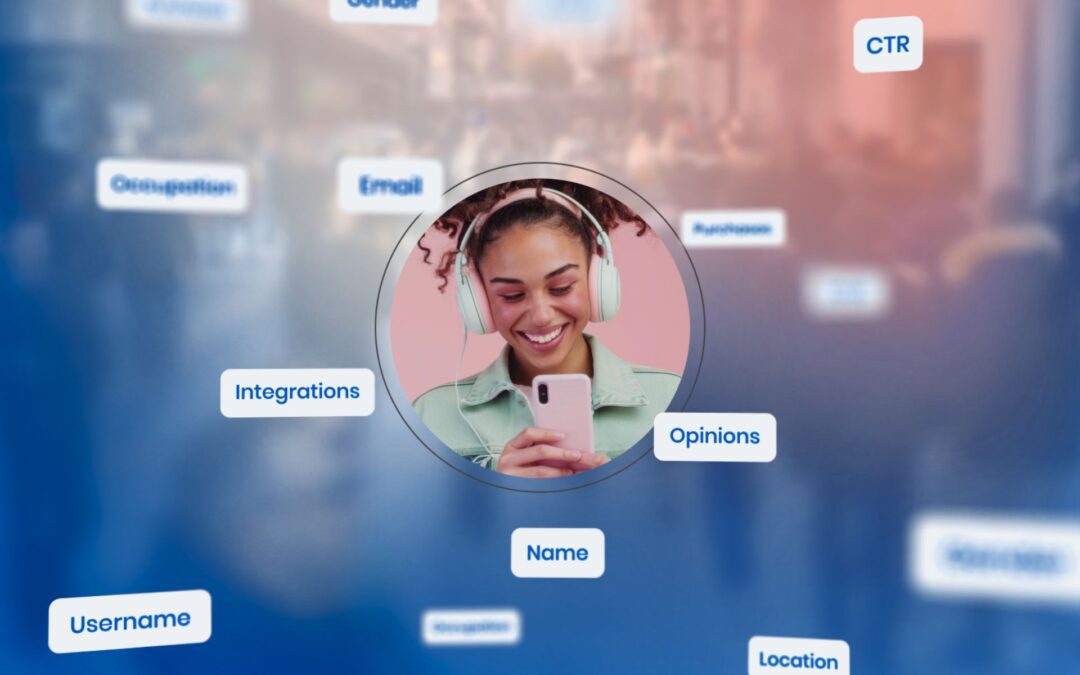
- Unified customer data consolidation that creates comprehensive customer profiles for more accurate targeting and personalisation
- Cross-channel integration supporting email, SMS, WhatsApp, push notifications, and web personalisation within single automated flows
- Intelligent modelling capabilities including RFM analysis, next-best-offer predictions, and predictive insights that optimise flow performance automatically
- Superior template system with advanced design options that ensure professional, mobile-optimised email delivery
Our newly launched Customer Data Platform seamlessly integrates with existing email flows, enabling more sophisticated automation based on comprehensive customer insights. This integration allows for dynamic content optimisation and real-time flow adjustments based on customer behaviour.
Ready to build email flows that convert browsers into loyal customers? Book a demo to see how Deployteq’s automation capabilities can transform your email marketing results, or contact us to discuss your specific email flow requirements with our automation specialists.