Referral program emails transform satisfied customers into active advocates by leveraging trust and personal recommendations. Unlike traditional marketing messages, these emails tap into existing customer relationships to drive authentic word-of-mouth promotion. They work because people trust recommendations from friends and family more than brand advertising. This approach creates a powerful cycle in which happy customers become your most effective marketing channel.
What makes referral program emails different from regular marketing emails?
Referral program emails focus on peer-to-peer recommendations rather than direct brand messaging. They leverage existing customer relationships and trust to promote your business through personal connections. Unlike regular marketing emails that sell products directly, referral emails ask satisfied customers to share their positive experiences with people they know.
The key difference lies in the messaging approach. Traditional marketing emails highlight product features, discounts, or company achievements. Referral emails instead emphasize the personal relationship between the customer and their contacts. They position the customer as the hero who can help their friends discover something valuable.
These emails also require different timing and triggers. While regular marketing follows promotional calendars or product launches, referral emails activate after positive customer experiences. They capitalize on moments when customer satisfaction peaks, such as after successful purchases, positive reviews, or milestone achievements.
The trust factor sets referral emails apart significantly. When customers receive marketing messages, they expect promotional content. When they receive referral invitations, they feel recognized as valued advocates whose opinions matter to others.
How do you create referral emails that customers actually want to share?
Successful referral emails combine compelling incentives with effortless sharing mechanisms. The message must clearly communicate value for both the referrer and the person being referred. Most importantly, the sharing process should require minimal effort while feeling natural and authentic.
Start with mutual benefits that make sense for your audience. The referrer should receive meaningful rewards, while the referred person gets genuine value from discovering your service. Avoid one-sided incentives that make customers feel like they are only helping your business rather than their friends.
Make sharing incredibly simple through one-click mechanisms and pre-written messages that customers can personalize. Include multiple sharing options such as email, social media, and direct links. The fewer steps required to complete a referral, the higher your participation rates will be.
Personalize the messaging based on customer behavior and preferences. Someone who frequently engages with your email marketing platform might appreciate detailed sharing options, while busy customers prefer quick, streamlined approaches.
Focus on authentic language that sounds natural when shared between friends. Avoid corporate jargon or overly promotional phrases that would feel awkward in personal conversations. The referral message should reflect how real people actually talk about brands they love.
What psychological triggers make referral program emails effective?
Referral emails succeed by activating social proof, reciprocity, and exclusivity principles that drive human behavior. These psychological triggers tap into natural tendencies to share positive experiences and help people we care about discover valuable resources.
Social proof works powerfully in referral contexts because customers see themselves as part of a community of satisfied users. When you frame referrals as joining other happy customers, people feel more confident about sharing. This trigger becomes stronger when you mention how many others have already participated successfully.
Reciprocity drives referral behavior when customers feel grateful for positive experiences with your brand. They want to give back by helping you grow, especially when you have consistently delivered value. This works best when referral invitations acknowledge their loyalty and position sharing as a way to support a brand they believe in.
Exclusivity makes customers feel special about being selected for referral opportunities. When you present referral programs as invitation-only or available to your best customers, participation feels like a privilege rather than a request. This approach works particularly well for premium services or loyal customer segments.
Emotional connections amplify all these triggers. Customers share brands that align with their identity and values. When your referral emails connect with how customers see themselves, they are more likely to recommend you to people with similar values and interests.
When should you send referral program emails for maximum impact?
Timing referral emails around peak satisfaction moments maximizes participation and authentic enthusiasm. The best opportunities occur when customers have just experienced positive outcomes or reached meaningful milestones with your brand. These moments create natural motivation to share good experiences with others.
Post-purchase sequences work well, particularly after customers have had time to experience your product or service benefits. Wait until they have received value rather than emailing immediately after purchase. This timing ensures they can authentically recommend you based on actual experience rather than just purchase excitement.
Milestone celebrations create perfect referral opportunities because customers feel accomplished and positive about their journey with your brand. Whether it is anniversary dates, achievement unlocks, or usage milestones, these moments generate natural motivation to share.
Follow positive feedback or reviews with referral invitations while satisfaction remains high. When customers take time to leave positive reviews, they are already in an advocacy mindset. This makes them more receptive to formal referral opportunities.
Seasonal timing can boost referral effectiveness when aligned with gift-giving periods or relevant industry cycles. However, avoid generic holiday campaigns in favor of moments that genuinely connect to your customer experience and referral marketing automation strategy.
How do you measure if your referral email program is turning customers into advocates?
Track referral program success through participation rates, conversion metrics, and long-term customer advocacy indicators. The key is measuring both immediate referral actions and broader advocacy behavior that extends beyond formal program participation.
Monitor referral email open rates, click-through rates, and completion rates to understand initial engagement levels. Low open rates might indicate timing or subject line issues, while high opens but low completions suggest problems with the referral process or incentives.
Measure actual referral conversions and the quality of referred customers. Track how many referred contacts become paying customers and compare their lifetime value to other acquisition channels. Strong referral programs typically generate higher-value customers with better retention rates.
Analyze customer advocacy beyond formal referrals through social media mentions, review activity, and organic word-of-mouth indicators. Customers who participate in referral programs often become more vocal advocates across multiple channels.
Track program sustainability through repeat referrer behavior and advocate engagement over time. The most successful programs create ongoing advocacy rather than one-time referrals. Monitor whether customers continue participating and maintain enthusiasm for your customer advocacy programs.
How Deployteq helps with referral program email automation
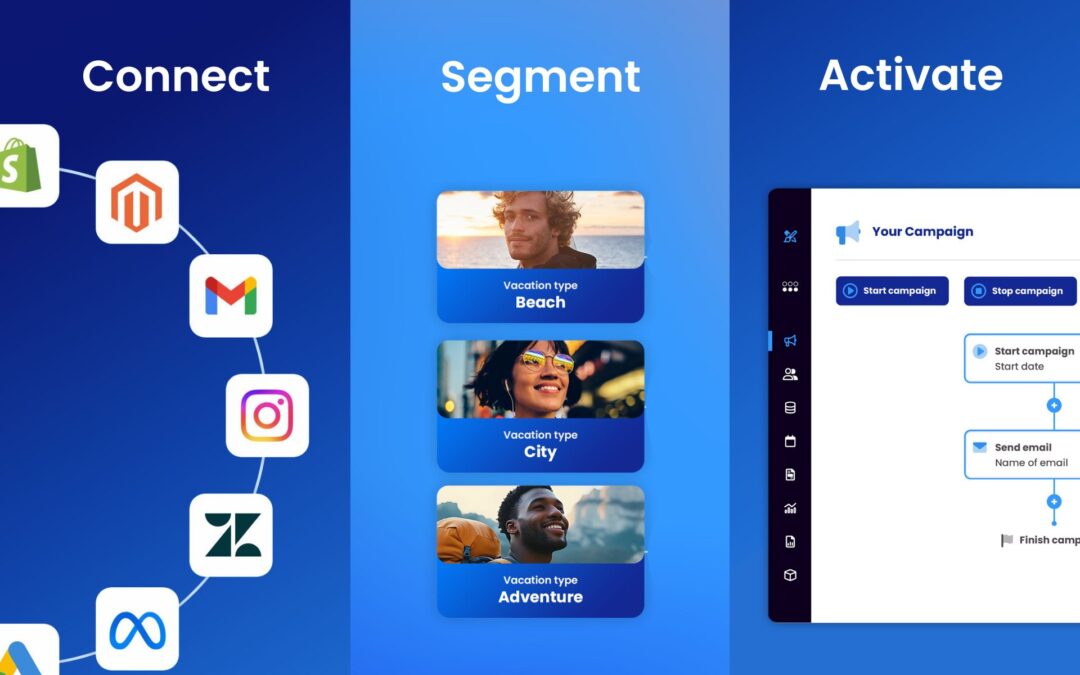
Deployteq’s marketing automation platform enables sophisticated referral email campaigns through advanced segmentation, automated trigger sequences, and cross-channel integration. Our system identifies optimal referral moments and delivers personalized invitations that drive authentic customer advocacy.
Key capabilities for referral program success include:
- Smart segmentation to identify your most satisfied customers and best referral candidates
- Automated trigger sequences that send referral invitations at peak satisfaction moments
- Cross-channel integration enabling referral campaigns across email, SMS, and push notifications
- Personalization features that customize referral messaging based on customer behavior and preferences
- Advanced tracking for referral performance and advocate engagement measurement
Our journey builder provides complete flexibility in designing referral sequences that feel natural and authentic to your customers. You can create complex automation rules that respond to customer actions, satisfaction scores, and engagement patterns.
Ready to transform your customers into advocates? Book a demo to see how our referral program automation can drive authentic word-of-mouth growth for your business.