Hotel guest loyalty develops through consistent positive experiences, personalised service, and meaningful rewards that create emotional connections with travellers. Successful travel companies combine data-driven personalisation with valuable loyalty programmes to turn one-time guests into repeat customers. Understanding what drives guest loyalty helps hotels build stronger relationships that increase bookings and revenue.
What makes hotel guests come back again and again?
Hotel guests return when they feel valued, recognised, and consistently receive service that meets or exceeds their expectations. The strongest loyalty drivers combine emotional satisfaction with practical benefits that make choosing the same hotel or brand feel natural and rewarding.
Emotional connections form when staff remember guest preferences, acknowledge special occasions, or go beyond standard service. A guest who receives a room upgrade on their anniversary or finds their preferred pillow type waiting creates positive memories that influence future booking decisions.
Consistency across locations builds trust in hotel brands. When guests know what to expect from room quality, service standards, and amenities, regardless of which property they choose, they feel confident booking again. This reliability reduces the perceived risk of trying something new.
Value perception extends beyond price to include the overall quality of the experience. Guests evaluate everything from check-in efficiency to Wi-Fi reliability when determining whether a hotel provides good value. Those who feel they receive fair value for their money are more likely to book again rather than search for alternatives.
Recognition and personalisation make guests feel special. Simple gestures like greeting returning guests by name, remembering room preferences, or acknowledging their loyalty status create positive impressions that encourage repeat visits.
How do successful hotels personalise the guest experience?
Successful hotels use guest data to tailor experiences from booking through checkout, creating customised interactions that make each stay feel specially designed around individual preferences and needs.
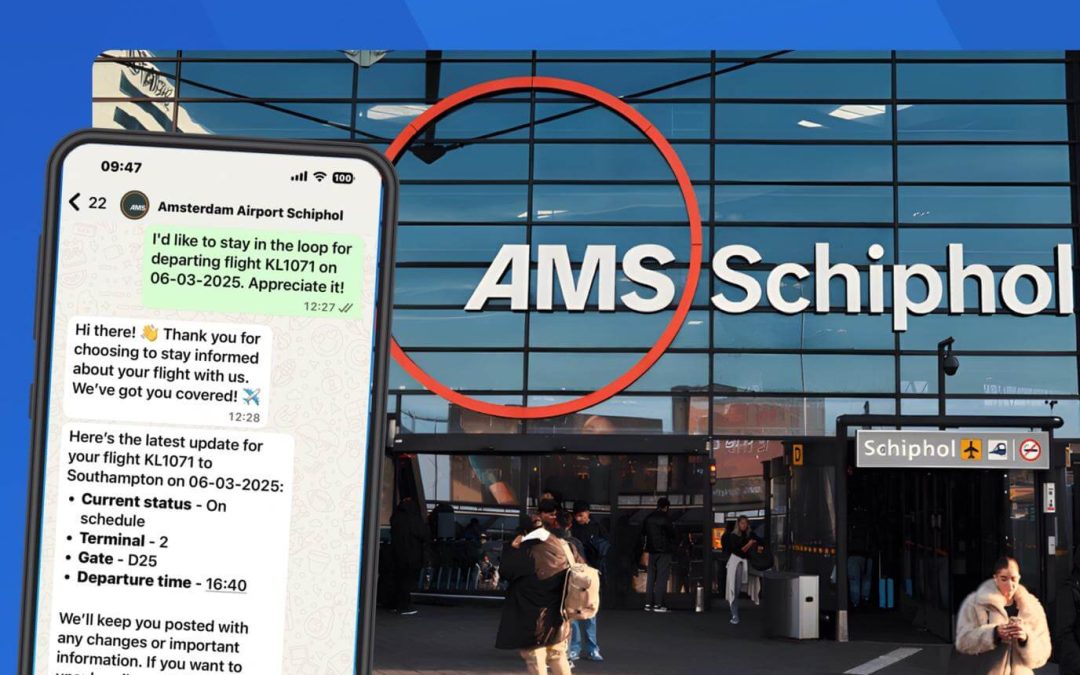
Pre-arrival communication sets personalisation in motion. Hotels send targeted emails based on booking details, previous stays, or special occasions. A business traveller might receive information about meeting facilities and express checkout, while families get details about kids’ activities and family-friendly dining options.
Room customisation demonstrates attention to guest preferences. Hotels track details like preferred room temperature, pillow type, newspaper choice, or minibar preferences. When guests arrive to find these preferences already arranged, it creates a sense of being known and valued.
Dynamic pricing and offers reflect individual guest value and booking patterns. Loyal guests might receive exclusive rates, room upgrades, or special packages tailored to their travel history. Someone who frequently books spa services might receive wellness-focused offers.
Service personalisation happens through staff training and guest data access. Front desk staff can reference previous stays, acknowledge special occasions, or proactively address known preferences. This creates seamless experiences that feel natural rather than scripted.
Communication preferences ensure guests receive information through their preferred channels. Some prefer email updates, others want SMS notifications, and some favour mobile app messages. Respecting these preferences improves engagement and reduces communication fatigue.
What’s the difference between points-based and experience-based loyalty programmes?
Points-based programmes reward guests with redeemable currency for stays and purchases, while experience-based programmes focus on exclusive access, personalised services, and memorable moments that money typically cannot buy.
Points-based systems operate on transactional relationships. Guests earn points for spending money, then redeem them for free nights, upgrades, or merchandise. These programmes appeal to cost-conscious travellers who want tangible value from their loyalty. They work well for frequent business travellers who accumulate points quickly.
The main advantage of points programmes is a clear value proposition. Guests can calculate exactly what their loyalty earns them. However, these programmes can become expensive for hotels and may attract price-sensitive customers who switch brands for better earning rates.
Experience-based programmes emphasise exclusive access and personalised treatment. Members might receive priority reservations, exclusive lounge access, personalised concierge services, or invitations to special events. These programmes create emotional connections beyond transactional relationships.
Experience programmes work particularly well for luxury hotels and lifestyle brands. They attract guests who value unique experiences over monetary rewards. The main challenge is ensuring experiences feel genuinely exclusive and valuable enough to justify loyalty without immediate financial returns.
Hybrid approaches combine both models, offering points for redemption alongside experiential benefits. This appeals to different guest segments within the same programme, allowing practical and emotional motivations to coexist.
How do travel companies use data to build stronger guest relationships?
Travel companies analyse guest behaviour, preferences, and feedback to create targeted communications, personalised offers, and improved services that demonstrate an understanding of individual customer needs and strengthen long-term relationships.
Booking pattern analysis reveals guest preferences and travel motivations. Companies track seasonal booking trends, advance booking windows, price sensitivity, and destination choices. This information helps create relevant offers and predict future travel needs.
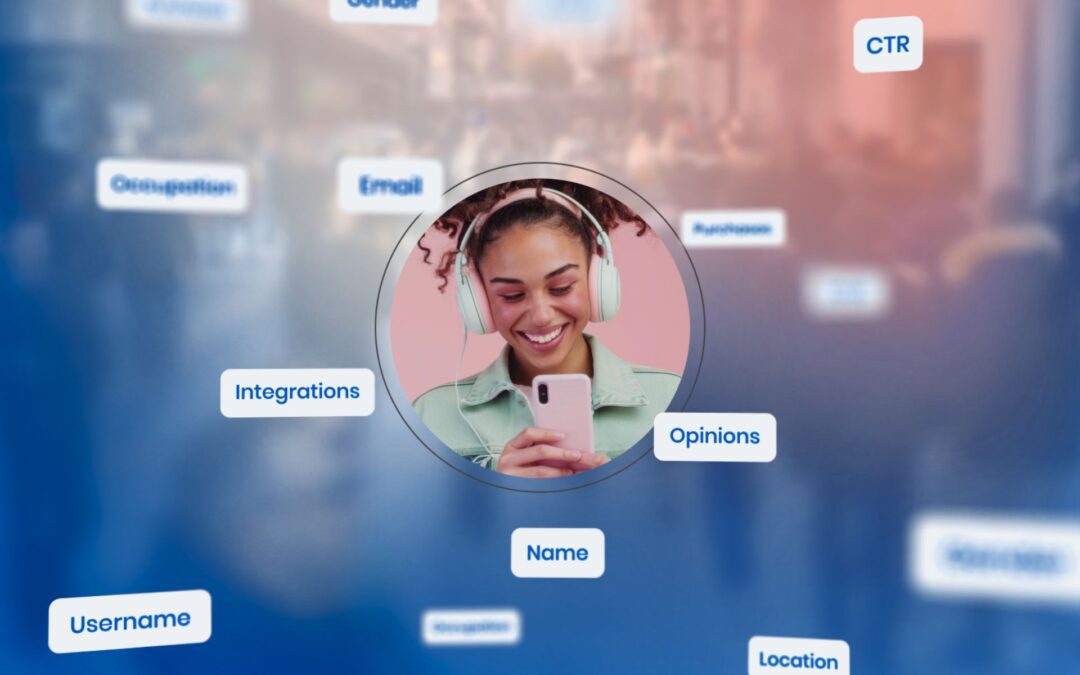
Preference tracking builds comprehensive guest profiles through customer data platforms. Hotels record room preferences, dining choices, service requests, and complaint history. This data enables staff to anticipate needs and personalise experiences without guests needing to repeat their preferences.
Communication optimisation uses data to improve message timing, frequency, and content. Companies test different subject lines, sending times, and offer types to determine what resonates with different guest segments. This reduces unsubscribes while increasing engagement rates.
Predictive analytics help companies anticipate guest needs. If data shows a guest typically books spa services during leisure trips, the hotel can proactively offer spa packages. This creates convenience while increasing revenue opportunities.
Feedback integration ensures guest concerns are addressed systematically. Companies track review themes, complaint patterns, and satisfaction scores to identify improvement areas. When guests see their feedback leading to positive changes, it strengthens their connection to the brand.
Cross-property data sharing allows hotel groups to provide consistent personalisation across locations. A guest’s preferences at one property can be available at all brand locations, creating seamless experiences regardless of destination.
Why do some hotel loyalty programmes fail to retain guests?
Hotel loyalty programmes fail when they create complexity without delivering meaningful value, offer irrelevant rewards, communicate poorly, or make redemption processes frustrating rather than rewarding for programme members.
Overly complex programme structures confuse guests and reduce participation. When earning rates, tier requirements, and redemption rules are difficult to understand, guests cannot evaluate programme value. Simplicity helps guests engage with confidence and enthusiasm.
Irrelevant rewards fail to motivate continued loyalty. Programmes offering merchandise or experiences that do not appeal to their guest base waste resources while disappointing members. Understanding what guests actually value is important for programme success.
Poor communication leaves guests unaware of benefits or programme changes. Hotels that lack effective email marketing platforms often fail to explain programme value, promote available rewards, or notify members of relevant offers, leading to decreased participation. Regular, valuable communication maintains engagement.
Difficult redemption processes create frustration instead of satisfaction. If guests struggle to book reward nights, face blackout dates, or encounter unhelpful staff during redemption, the programme becomes a source of annoyance rather than loyalty.
Lack of genuine value makes programmes feel like marketing gimmicks rather than customer appreciation. When benefits are minimal, hard to achieve, or available to non-members anyway, guests see no reason to maintain loyalty.
Inconsistent programme delivery across properties creates disappointment. If some locations honour programme benefits while others do not, members lose trust in the programme’s reliability and value.
How Deployteq helps with hotel guest loyalty
We provide hotels and travel companies with marketing automation tools that build stronger guest relationships through personalised communication, targeted campaigns, and data-driven loyalty programmes that increase repeat bookings and customer lifetime value.
- Unified guest profiles: Automatically combine data from all touchpoints to create complete pictures of guest preferences and behaviour.
- Personalised journey automation: Send targeted emails, SMS, and messages based on booking stages, stay history, and individual preferences.
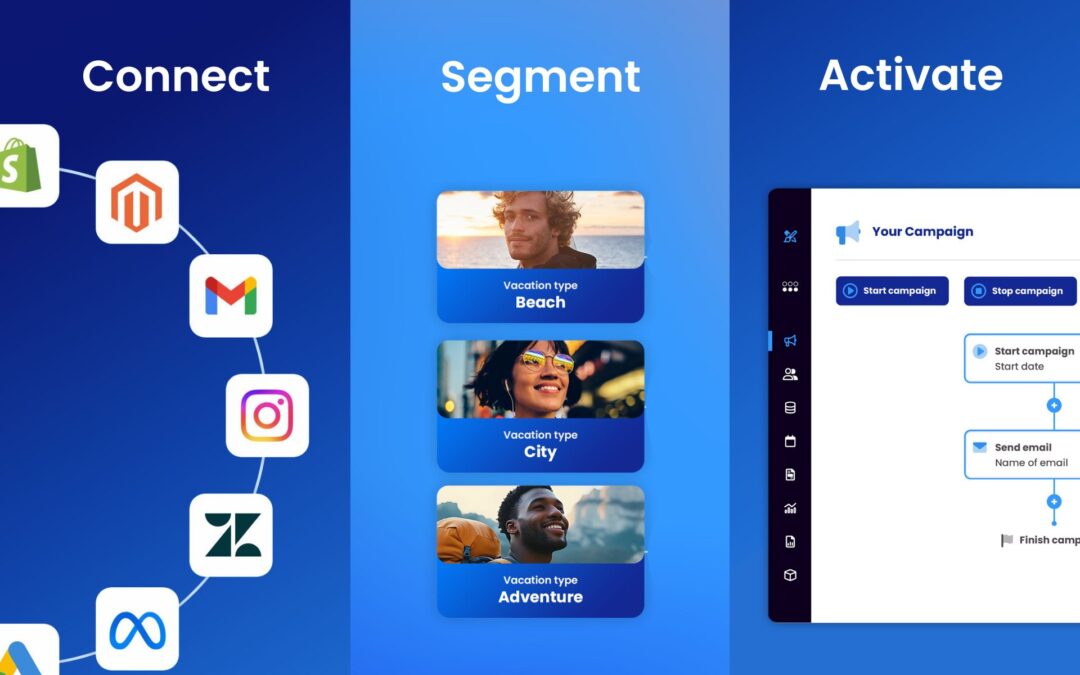
- Advanced segmentation: Group guests by loyalty status, travel patterns, and preferences for highly relevant communications.
- Multi-channel coordination: Deliver consistent experiences across email, SMS, social media, and other channels.
- Real-time personalisation: Adapt content and offers instantly based on guest actions and preferences.
Ready to build stronger guest loyalty through personalised marketing automation? Contact us to discover how Deployteq can help you create memorable experiences that turn first-time guests into lifelong customers.
Related Articles
- When should retailers prioritize transactional emails over promotions?
- Top 4 email design mistakes that hurt mobile conversions
- What do GDPR-compliant bank emails actually look like?
- How do you structure cross-sell and upsell emails without being pushy?
- How do I make marketing emails accessible for screen readers?