Yes, a small business can absolutely use a CDP. The technology is no longer reserved for large enterprises with dedicated data teams. Modern CDP software has become far more accessible, and many platforms are built with usability in mind, making them a realistic option for growing businesses that want to do more with their customer data.
The real question is not whether you can use one, but whether you are ready for one. The sections below walk through the key questions small businesses ask before making that call.
What does a CDP actually do for a business?
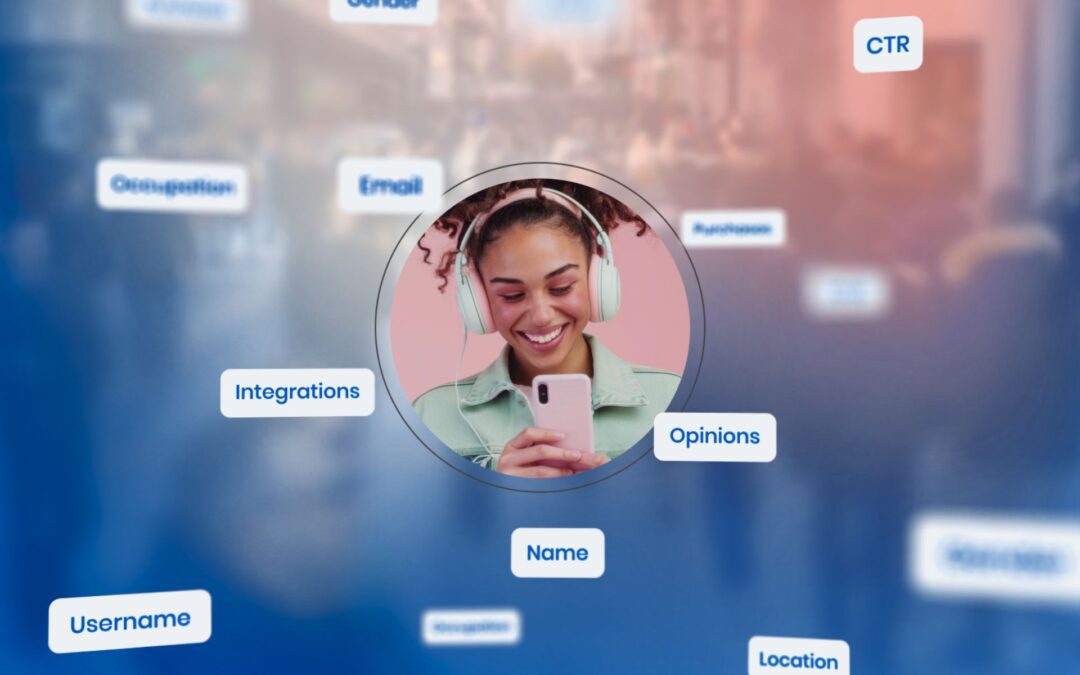
A CDP, or Customer Data Platform, collects and unifies customer data from multiple sources into a single, structured customer profile. It connects data from your website, email campaigns, purchase history, and other touchpoints in one place, giving you a complete picture of each customer so you can act on that data in real time.
In practice, this means you stop working with fragmented data spread across tools that do not talk to each other. Instead of guessing what a customer wants based on one data point, you can see their full journey and respond with relevant, timely communication.
For a retail brand, this might look like triggering a personalised product recommendation based on browsing behaviour combined with past purchase data. For a travel company, it could mean identifying customers in an active booking window and sending the right offer at exactly the right moment. The CDP does not just store data; it makes that data usable.
Are CDPs only built for enterprise companies?
No, CDPs are not exclusively built for enterprise businesses. While the technology was originally adopted by large organisations with complex data infrastructure, the market has shifted significantly. Many CDP software solutions today are designed to be accessible, intuitive, and scalable, meaning smaller businesses can implement them without a dedicated data engineering team.
The perception that CDPs are enterprise-only often comes from legacy platforms that required heavy technical resources to set up and maintain. That is no longer the standard. Newer platforms prioritise ease of use and integrate with the tools a growing business already relies on.
That said, it is worth being honest: a business with very low data volume and a single channel may not get full value from a CDP immediately. But for any business managing customers across more than one touchpoint, the case for unified data becomes compelling quickly.
What size business benefits most from a CDP?
Businesses benefit most from a CDP when they have data coming in from multiple sources and are struggling to connect it. This typically applies to businesses that have grown beyond a single channel and are managing email, web, SMS, or app interactions simultaneously, regardless of whether they are a mid-size brand or a scaling startup.
If you are sending emails through one tool, tracking web behaviour in another, and managing purchases in a third, you are already a strong candidate for CDP software. The pain point is not company size; it is data fragmentation.
Businesses in sectors like retail, travel, and entertainment tend to feel this pain earliest because their customer journeys are naturally multi-step and multi-channel. A customer might browse, abandon, return, purchase, and then lapse, and without unified data, it is almost impossible to respond intelligently at each of those moments.
How does a CDP differ from a CRM or email marketing platform?
A CRM manages relationships and sales activity, an email marketing platform sends and tracks email campaigns, and a CDP unifies raw customer data from all sources into structured profiles. The key difference is that a CDP sits beneath your other tools, feeding them with clean, connected data rather than replacing them.
Think of it this way. Your CRM tells you who your customers are and what deals they are in. Your email platform sends them messages. Your CDP tells both of those tools everything it knows about each customer, including behaviour, preferences, and predicted next actions, so every interaction is informed by the full picture.
Many businesses start with a CRM or an email marketing platform and find that as they grow, those tools become siloed. The CDP is what bridges those silos. It does not compete with your existing stack; it makes it smarter.
What should a small business look for in a CDP?
A small business should look for a CDP that is easy to set up, integrates with existing tools, and does not require a data science team to operate. Usability matters as much as capability at this stage. If the platform is too complex to use day-to-day, the data will sit unused, and the investment will not pay off.
Key features to prioritise include:
- Simple data ingestion that connects to your existing sources without heavy technical lift
- Visual customer profiles that give marketers a clear, actionable view of each customer
- Segmentation tools that let you build and activate audiences without writing code
- Cross-channel activation so you can use your unified data across email, SMS, and web from one place
- Intelligent modelling such as RFM scoring or next-best-offer predictions that surface insights automatically
- Scalability so the platform grows with you rather than becoming a bottleneck
Avoid platforms that lock you into rigid data structures or require expensive implementation projects before you see any value. The right CDP should show results within weeks, not months.
When is the right time to move to a CDP?
The right time to move to a CDP is when your current tools can no longer give you a clear, unified view of your customers and that gap is costing you relevance or revenue. Common signals include sending the same message to all customers because segmentation is too difficult, losing track of customers who interact across multiple channels, or knowing your data is valuable but not being able to act on it.
If your marketing team is spending significant time manually stitching together data from different tools before they can build a campaign, that is a strong indicator. The manual workaround is not a solution; it is a warning sign that your data infrastructure has outgrown your current stack.
In 2026, the bar for personalisation has risen. Customers expect relevant, timely communication, and businesses that cannot deliver it are losing ground to those that can. The move to a CDP does not need to be a massive transformation project. Starting with unified data and one well-executed use case, such as a smarter re-engagement campaign or a personalised onboarding journey, is often enough to demonstrate value quickly.
If you are running marketing automation and finding that your segments are too broad or your triggers are too generic, that is the moment to start the conversation about a CDP.
How Deployteq helps with CDP software
Our Customer Data Platform is built for marketers who want to act on their data, not just store it. Deployteq unifies all your customer data into intelligent profiles and makes those profiles immediately actionable across every channel you use.
Here is what that looks like in practice:
- 360-degree single customer view that visually connects every interaction into one clear profile
- Intelligent modelling including RFM scoring, next-best-offer predictions, and full lifecycle insights built directly into your campaigns
- Cross-channel activation across email, SMS, WhatsApp, push, and web from a single platform
- Hyper-personalised campaigns powered by real-time data, not yesterday’s export
- No-code segmentation so your marketing team can build and activate audiences without waiting on a data team
Whether you are scaling up from a simpler platform or looking to replace a fragmented stack, Deployteq gives you the data control and campaign power to deliver experiences that actually move customers forward. Ready to see it in action? Book a self-guided demo and explore what unified data can do for your marketing.