A Customer Data Platform powers next-best-offer predictions by unifying every customer interaction into a single profile and applying predictive models to identify which product, service, or promotion is most likely to drive a purchase. The CDP analyses behavioural signals, purchase history, and lifecycle stage to surface offers at the right moment. The sections below break down exactly how that process works, from raw data to real-time delivery.
What data does a CDP use to generate next-best-offer predictions?
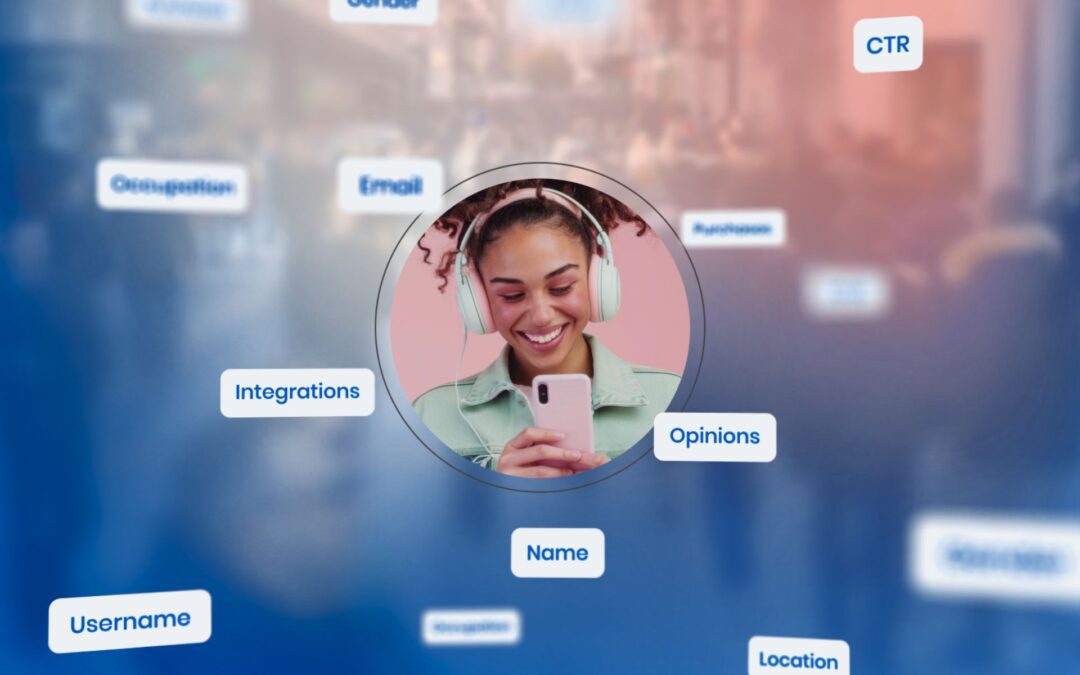
A CDP draws on transactional data, behavioural signals, demographic attributes, and engagement history to generate next-best-offer predictions. The richer and more unified this data is, the more accurate the model. Unlike a DMP, which relies heavily on third-party and anonymous data, a CDP works with first-party, identity-resolved customer records that reflect real purchase intent.
The key data inputs typically include:
- Purchase history: What a customer has bought, how often, and at what value (RFM signals)
- Browse and clickstream behaviour: Which products or categories a customer has viewed recently
- Email and SMS engagement: Open rates, click patterns, and offer redemptions
- Lifecycle stage: Whether someone is a new subscriber, an active buyer, or a lapsed customer
- Product affinity: Cross-category preferences inferred from past interactions
For a travel brand, this might mean combining booking history with destination browsing to predict whether a customer is more likely to respond to a flight upgrade or a hotel bundle. For a retailer, it could mean combining cart abandonment data with seasonal purchase patterns to surface the most relevant promotion.
How does a CDP turn customer data into offer recommendations?
A CDP turns customer data into offer recommendations by running predictive models across unified customer profiles to score each customer’s likelihood of responding to a given offer. The most common approach is RFM modelling (Recency, Frequency, Monetary value), combined with propensity scoring and next-best-offer algorithms that rank available offers by predicted conversion probability.
The process works in three stages:
- Profile unification: The CDP consolidates data from all sources into a single customer view, resolving identity across devices and channels.
- Model application: Predictive models analyse each profile and score customers against available offers based on behavioural patterns and lifecycle signals.
- Offer ranking: The CDP surfaces the highest-scoring offer for each individual, ready for activation in the next campaign or real-time trigger.
The output is not a generic segment. It is a ranked recommendation at the individual level, meaning two customers in the same broad segment can receive entirely different offers based on their specific behaviour and intent signals.
What’s the difference between next-best-offer and next-best-action?
Next-best-offer focuses specifically on which product, promotion, or deal to present to a customer to drive a purchase. Next-best-action is broader and determines the most appropriate interaction at a given moment, which might be an offer, but could equally be a loyalty reward, a service nudge, a retention message, or simply a period of silence to avoid fatigue.
Think of next-best-offer as a subset of next-best-action. Both rely on the same CDP data and predictive infrastructure, but they serve different goals:
- Next-best-offer is revenue-focused. It asks: what should we sell this customer next?
- Next-best-action is relationship-focused. It asks: what should we do with this customer next to maximise long-term LTV?
For a finance brand managing complex customer lifecycles, next-best-action is often more valuable because the right move might be a trust-building content piece rather than a product push. For a high-frequency retail or entertainment brand, next-best-offer tends to be the primary driver because purchase opportunities are frequent and the cost of a missed recommendation is immediate.
How does a CDP deliver next-best-offer predictions across channels?
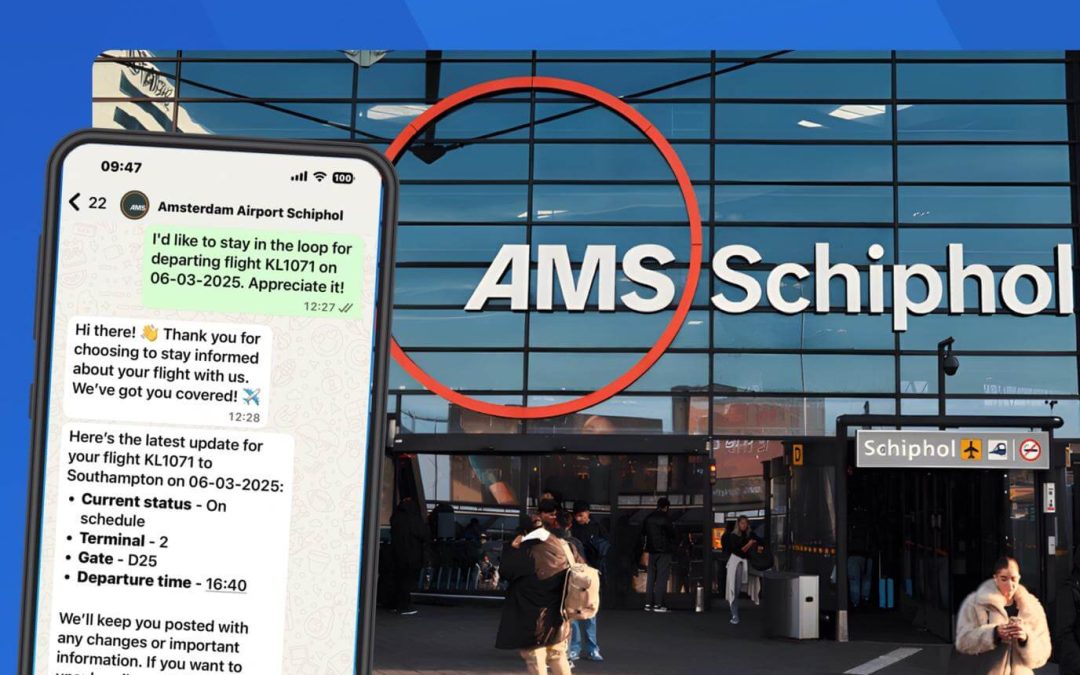
A CDP delivers next-best-offer predictions across channels by making the scored offer data available for activation in real time across email, SMS, push notifications, WhatsApp, and web personalisation. The CDP does not just generate the recommendation; it pushes it into the campaign layer so the right offer reaches the right customer through the right channel at the right moment.
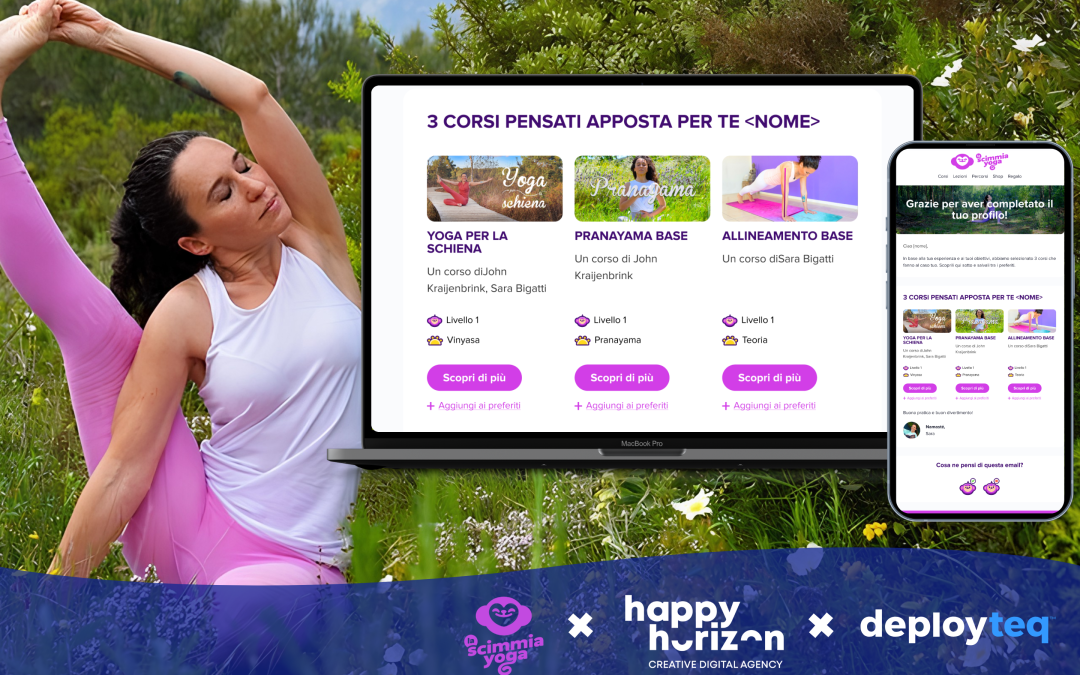
Channel delivery works through direct integration between the CDP and the marketing execution layer. When a customer triggers a behavioural signal, such as browsing a product category or reaching a loyalty threshold, the CDP updates their profile, applies the offer model, and fires the appropriate message through whichever channel that customer is most responsive to.
This cross-channel coordination is what separates CDP-powered personalisation from basic email segmentation. A customer who ignores an email offer might respond to a push notification the following morning. The CDP tracks engagement across all touchpoints and adjusts the delivery strategy accordingly, without requiring manual campaign duplication.
How accurate are CDP-powered next-best-offer models?
CDP-powered next-best-offer models become progressively more accurate as the volume and quality of first-party data increases. Early-stage models built on limited data will outperform generic segmentation, but accuracy improves significantly once the CDP has enough transactional and behavioural history to identify reliable patterns. There is no universal accuracy benchmark because performance depends on data depth, model type, and industry context.
Several factors drive model accuracy:
- Data completeness: Profiles with gaps in purchase history or engagement data produce weaker predictions
- Signal recency: Models that weight recent behaviour more heavily tend to outperform those relying on older data
- Catalogue size: Larger product or offer catalogues require more sophisticated ranking logic to avoid noise
- Feedback loops: Models that learn from campaign outcomes (opens, clicks, conversions) improve over time
For most B2C brands with a mature first-party data strategy, CDP-driven recommendations consistently outperform rule-based segmentation in conversion rate and average order value. The key is treating model accuracy as an ongoing process rather than a one-time configuration.
When should a business implement a CDP for next-best-offer?
A business should implement a CDP for next-best-offer when it has enough first-party customer data to make predictive modelling worthwhile, but lacks the infrastructure to unify and activate that data at scale. If your customer data lives across multiple platforms and your personalisation is still driven by broad segments rather than individual behaviour, a CDP will deliver immediate value.
The clearest signals that it is time to implement include:
- You are sending the same offer to large portions of your list because segmentation is too manual to go deeper
- Your email, SMS, and web channels are not sharing data, so personalisation resets with each channel
- You have strong transactional data but no way to turn it into automated, individual-level recommendations
- You are comparing platforms like Tealium or Segment as a CDP alternative and need a solution that connects data unification directly to campaign execution
One important distinction when evaluating options: the CDP vs DMP difference matters here. A DMP is built for anonymous audience targeting using third-party data, which is increasingly limited in a cookieless environment. A CDP is built for known customers and first-party data, making it the right foundation for next-best-offer at scale.
How Deployteq powers next-best-offer predictions
Our Customer Data Platform was built to close the gap between data and action. Here is what that looks like in practice:
- Unified customer profiles: We consolidate data from all your channels into a single 360-degree customer view, resolving identity across touchpoints
- Built-in predictive models: RFM scoring, next-best-offer, and lifecycle insights are available natively, without requiring a separate data science team
- Direct campaign activation: Offer recommendations activate straight into email, SMS, WhatsApp, push, and web, all within the same platform
- Real-time triggers: Behavioural signals update profiles instantly, so your next-best-offer fires at the moment of highest intent
- No third-party dependency: Everything runs on your first-party data, future-proofed against cookie deprecation and data privacy changes
Trusted by brands across retail, travel, finance, and entertainment, Deployteq gives marketing teams the tools to move from broad segmentation to genuine one-to-one personalisation. Book a demo to see how our CDP and next-best-offer modelling work together in a live environment.