Scattered customer data is one of the most common blockers to effective personalisation. When customer touchpoints live in separate systems, your segments get stale, your messaging gets generic, and your campaigns miss the mark. If you are looking at how to unify customer data and actually put it to work, the wins are significant. Here are five concrete ways data unification changes what is possible for marketers.
How fragmented data holds personalisation back
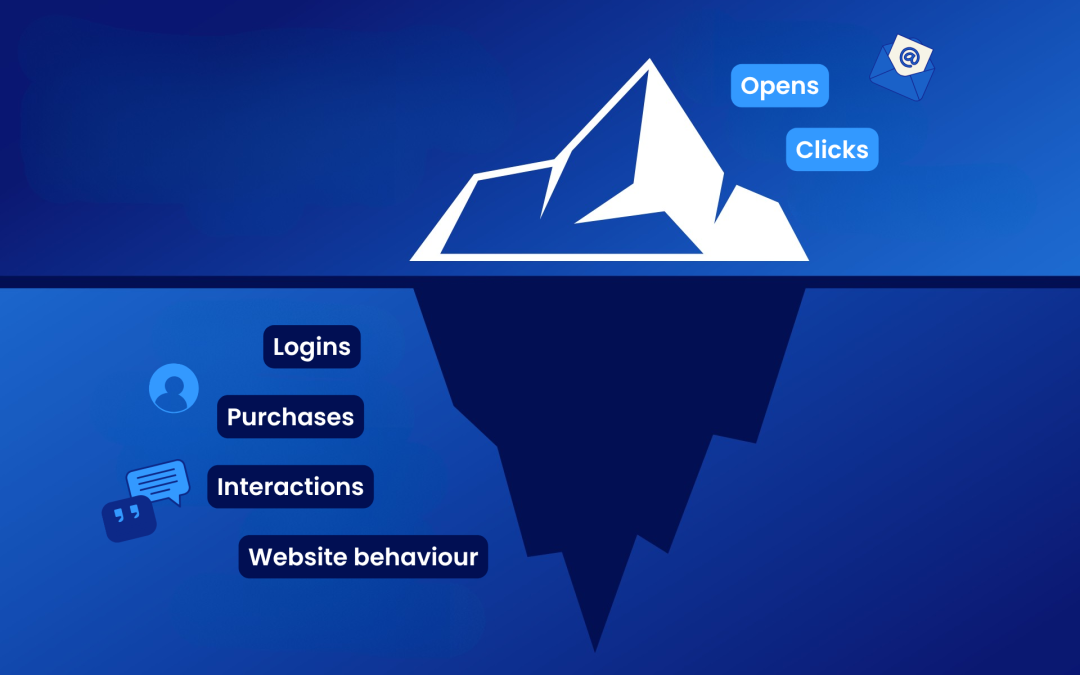
Most marketing teams are not short on data. They are short on connected data. A customer books a holiday through your website, opens three emails, abandons a cart, and calls your support line. Each of those interactions sits in a different system, owned by a different team, and updated at a different cadence.
The result? Your email platform sees a cold lead. Your ad platform retargets someone who already converted. Your CRM holds a version of the customer that is six months out of date. This is the scattered customer data problem, and it quietly undermines every personalisation effort you make.
Data unification solves this by pulling those signals together into a single, actionable profile. Once you have that foundation, the following five wins become possible.
1: Build a single customer view across all channels
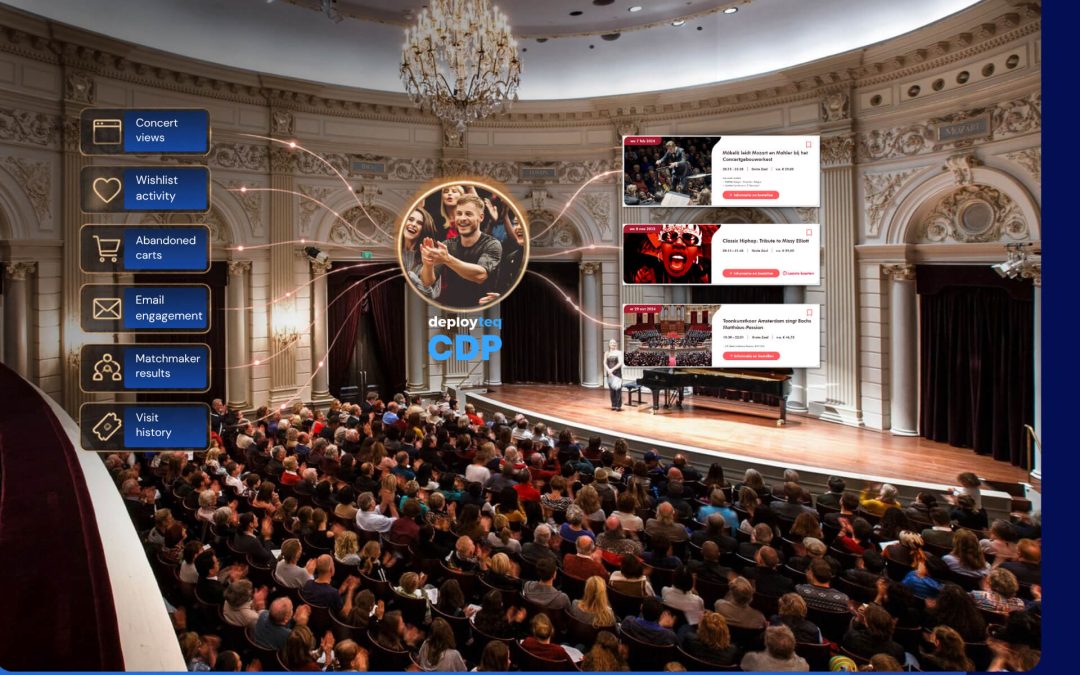
The single customer view is the starting point for everything else. When you unify data across email, web, SMS, app, and in-store interactions, you stop guessing and start knowing. You can see the full picture: what a customer bought, when they last engaged, which channel they prefer, and where they are in their lifecycle.
For a retail brand, this means recognising that a customer who browsed winter coats online last Tuesday is the same person who visited a store on Saturday. Without unified data, those two signals never connect. With it, you can trigger a relevant follow-up at exactly the right moment.
Building this view requires resolving identities across systems, which means matching email addresses, device IDs, loyalty numbers, and session data into one coherent profile. It is the most technically demanding step, but it is the one that makes every downstream personalisation effort meaningfully more effective.
2: Unlock smarter segmentation with clean data
Clean, unified data transforms segmentation from a blunt instrument into a precision tool. Instead of segmenting by basic demographics or purchase history alone, you can build real-time segments that reflect where a customer is right now, not where they were three months ago.
Think about a travel brand running a campaign for late-summer breaks. With fragmented data, they might target everyone who booked a holiday in the past year. With unified, clean data, they can target customers who browsed specific destinations in the last 14 days, have a booking window that matches, and have not yet converted. That is a fundamentally different level of precision.
Smarter segmentation also reduces waste. Fewer irrelevant messages mean better deliverability, higher engagement rates, and a healthier sender reputation. The data unification work pays for itself quickly when your segments start performing.
3: Power predictive models with richer data inputs
Predictive models are only as good as the data feeding them. A model trained on email open rates alone will give you limited insight. A model trained on purchase frequency, channel behaviour, recency, monetary value, and lifecycle stage gives you something genuinely useful.
RFM modelling, next-best-offer predictions, and churn propensity scores all improve dramatically when your data inputs are richer and more complete. For a finance brand, this might mean identifying customers who are likely to upgrade a product based on a combination of engagement signals and account behaviour, rather than waiting for them to raise their hand.
The practical output is campaigns that feel less like broadcasts and more like well-timed conversations. Predictive models built on unified data let you reach customers with the right message before they have even articulated the need themselves. That is where personalisation moves from reactive to genuinely proactive.
4: Deliver consistent messaging across every channel
One of the most visible symptoms of fragmented data is an inconsistent customer experience. A customer receives a discount offer by email, then sees a full-price ad on social media ten minutes later. Or they update their preferences in one channel and find the change has not carried through to another. These moments erode trust fast.
Data unification creates a shared source of truth that all your channels can draw from. When a customer opts out of promotional messaging, that preference is reflected everywhere, immediately. When they make a purchase, every subsequent touchpoint knows about it. The experience feels joined up because the data actually is.
For entertainment brands running high-frequency engagement campaigns, this consistency is especially important. Customers interact across push notifications, email, in-app messages, and social. Unified data ensures the story you are telling is coherent at every point, regardless of which channel the customer chooses to engage through. Explore how a marketing automation platform can help you coordinate these touchpoints at scale.
5: Activate data faster with direct campaign integration
Knowing your customer is only half the battle. The other half is acting on that knowledge quickly enough to matter. One of the biggest gaps in many marketing stacks is the distance between where data lives and where campaigns get built. Data sits in a warehouse or a CDP, campaigns get built in a separate tool, and the two are connected by a manual export or a slow API sync.
Direct integration between your unified data layer and your campaign execution tools collapses that gap. When a customer crosses a threshold, such as reaching a high-value segment, triggering a churn signal, or completing a key lifecycle action, the campaign fires automatically without a manual handoff.
For e-commerce teams managing cart recovery, stock alerts, and post-purchase flows, this speed is the difference between catching a customer in the moment and missing them entirely. Email campaign activation that connects directly to your unified data layer means your most time-sensitive messages actually land when they should.
How Deployteq helps with data unification
This is exactly the problem our Customer Data Platform was built to solve. Deployteq’s CDP unifies all your customer data into intelligent profiles and makes them immediately actionable across every channel you run, without the usual lag between insight and execution.
Here is what that looks like in practice:
- 360-degree single customer view: We visually connect data from every touchpoint to give you a complete picture of each customer across their full lifecycle.
- Intelligent modelling built in: RFM scoring, next-best-offer recommendations, and predictive insights are available directly within the platform, not bolted on as an afterthought.
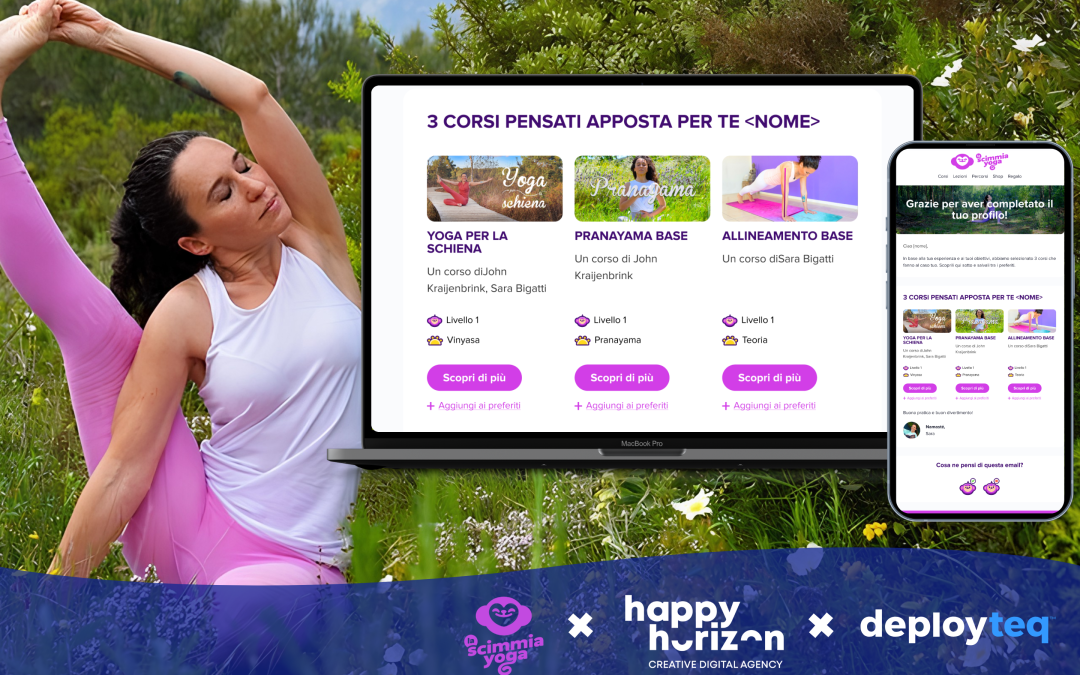
- Real-time, hyper-personalised segments: Build segments that update dynamically as customer behaviour changes, so your campaigns always reflect current intent.
- Direct campaign activation: Unified data connects seamlessly to campaigns across email, SMS, WhatsApp, push, and web, so you act on insights the moment they matter.
- No technical bottlenecks: Marketers and data teams can both work within the platform, reducing dependency on developers for every campaign change.
If your current stack is making it harder than it should be to turn customer data into personalised experiences, it is worth seeing what a purpose-built solution looks like. Book a demo and we will show you how it works with your data.