Your customer data is probably everywhere. CRM in one tool, email behaviour in another, web activity somewhere else entirely. For marketing teams managing complex, high-volume customer bases, that fragmentation is not just frustrating — it is actively costing you revenue. A customer data platform solves this by pulling every data point into a single, actionable view of each customer. Here is what that actually changes for your day-to-day marketing.
What a CDP actually unlocks for marketers
A CDP is not just a data storage solution. It is the connective tissue between your data and your campaigns. When implemented well, it transforms how you segment, personalise, automate, and measure — across every channel you operate. The six capabilities below represent the most impactful shifts marketers experience after a CDP implementation.
1: Unify all your customer data in one place
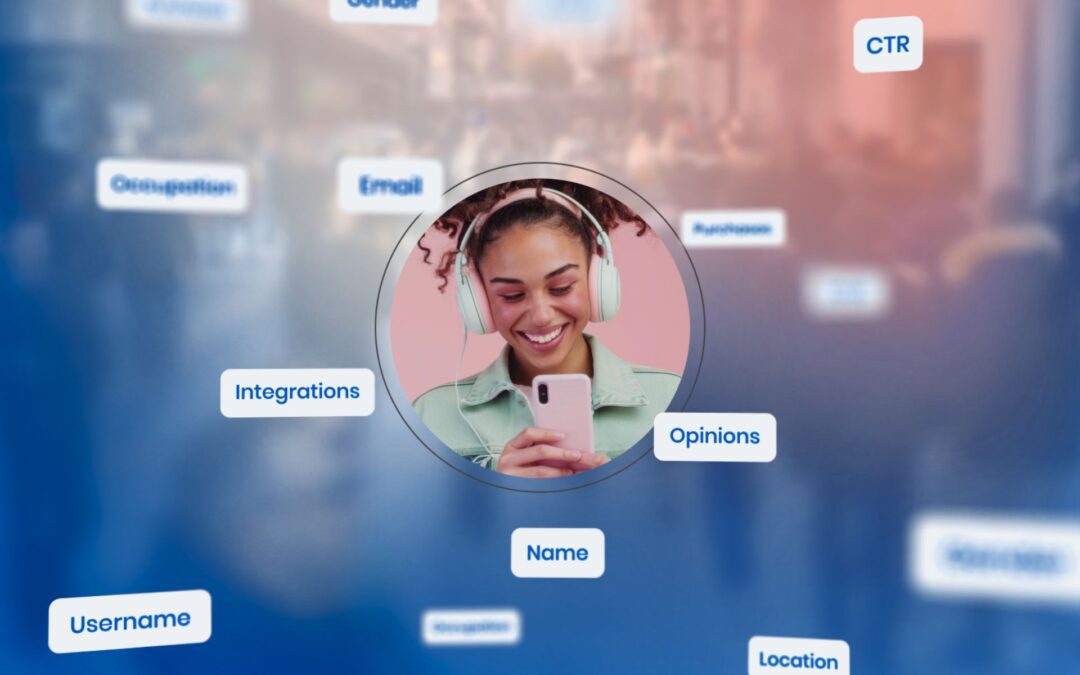
The most immediate win from a CDP is consolidation. Purchase history, browsing behaviour, email engagement, loyalty status, support interactions — all of it mapped to a single customer profile. No more reconciling spreadsheets or waiting on your data team to run a query.
This single customer view is the foundation everything else is built on. Without it, your segments are guesswork, your triggers are delayed, and your personalisation is surface-level at best. With it, you can see exactly where each customer is in their lifecycle and act on that in real time.
For retail and travel brands managing millions of customers across multiple touchpoints, this unification is transformational. A customer who browsed holidays last Tuesday, opened a promotional email on Thursday, and abandoned a booking on Friday is now a single, connected story — not three separate data points in three separate tools.
2: Build smarter segments in real time
Static segments built on last month’s data are already out of date. A CDP enables real-time segmentation based on live behavioural signals, which means your audiences reflect what customers are doing right now — not what they did when you last ran a batch export.
This matters enormously for high-frequency sectors like e-commerce and entertainment. A customer who just hit the VIP spend threshold should enter your loyalty journey today, not next week. A subscriber who has gone quiet for 30 days should trigger a re-engagement flow automatically, not when someone remembers to check.
Advanced smart segmentation also means you can layer multiple attributes simultaneously — combining RFM scores, product affinity, channel preference, and lifecycle stage into precise micro-segments that drive genuinely relevant communication.
3: Personalise every channel, not just email
Email personalisation is table stakes. The real competitive advantage comes from delivering consistent, relevant experiences across every channel a customer uses — SMS, push notifications, WhatsApp, web, and social — all informed by the same unified profile.
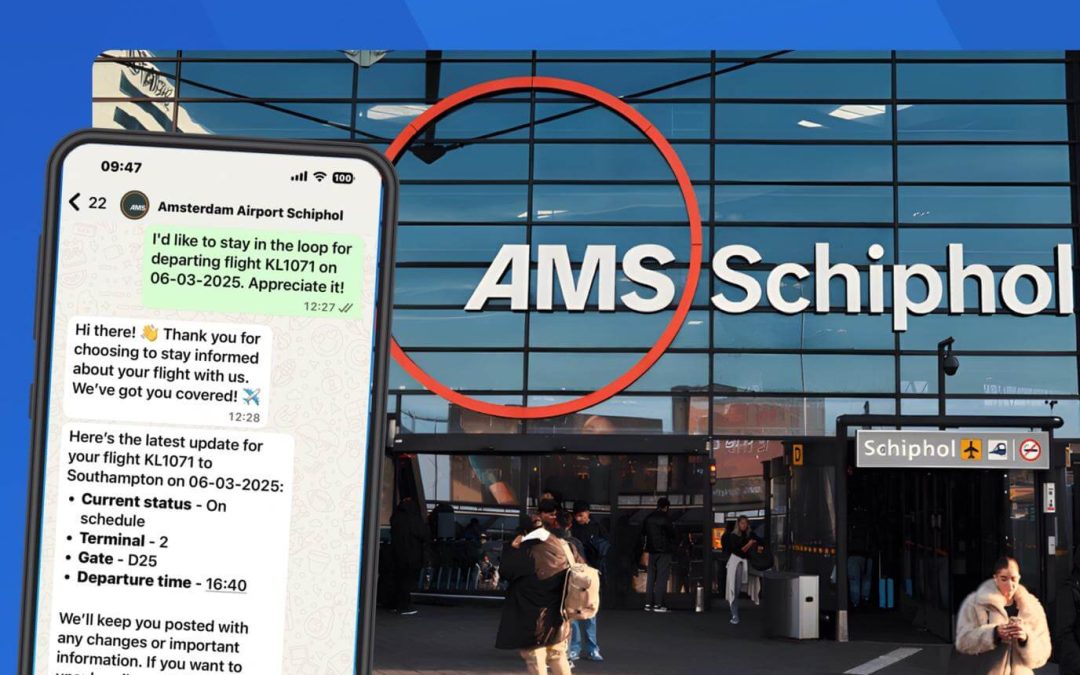
A CDP makes true cross-channel personalisation possible because every channel draws from the same data source. When a customer books a flight, they should receive a confirmation email, a check-in reminder via SMS, and a personalised web experience showing relevant add-ons — all triggered by the same event, all consistent in tone and context.
Without a CDP, each channel tends to operate in its own silo, pulling from different data at different times. The result is a disjointed experience that frustrates customers and erodes trust. A unified data layer fixes this at the source.
4: What does predictive modelling change?
Predictive modelling shifts your marketing from reactive to proactive. Instead of responding to what customers have already done, you can anticipate what they are likely to do next — and act before they disengage, churn, or convert elsewhere.
Models like RFM (Recency, Frequency, Monetary) and next-best-offer scoring give marketers a structured way to prioritise outreach. Rather than sending the same message to your entire database, you send the right offer to the customers most likely to respond to it. This improves conversion rates and reduces unsubscribes simultaneously.
For finance and insurance brands managing complex customer lifecycles, predictive insights are particularly powerful. Identifying customers approaching a renewal window, showing signs of churn, or ready for a product upgrade allows you to intervene at exactly the right moment — with exactly the right message.
5: Automate journeys with precision triggers
Automation is only as good as the triggers that power it. Generic time-based triggers — “send this email three days after sign-up” — produce generic results. A CDP enables behaviour-based triggers that fire based on what a customer actually does, not just when they signed up.
A customer who views a product page three times without purchasing is showing clear intent. A loyalty member who has not engaged in 60 days is at risk. A new subscriber who opens every email in their first week is ready for a deeper conversion journey. A CDP surfaces these signals automatically and feeds them directly into your journey automation logic.
The result is marketing that feels timely and relevant rather than scheduled and generic. Customers receive communication that matches their actual behaviour, which builds trust and drives measurably better outcomes across every stage of the funnel.
6: Measure what truly drives revenue
Attribution is one of the most persistent challenges in marketing. When data is fragmented, it is nearly impossible to understand which touchpoints actually influenced a purchase — and which were just noise. A CDP gives you the connected data needed to answer that question properly.
With a unified customer profile tracking every interaction across every channel, you can build attribution models that reflect the full customer journey. You can see whether that re-engagement SMS actually brought a lapsed customer back, or whether the abandoned cart email was the final nudge before conversion.
This clarity changes how you allocate budget. Instead of defending spend based on last-click data or gut instinct, you can point to specific journeys, segments, and triggers that demonstrably drive LTV. That is the kind of evidence that earns marketing teams more resources — and more trust from the business.
How Deployteq helps with customer data platform implementation
We built our Customer Data Platform specifically for B2C marketing teams who need to move fast without losing control of their data. Here is what that looks like in practice:
- 360-degree single customer view: Every interaction, across every channel, unified into one intelligent customer profile — no data science degree required.
- Intelligent modelling built in: RFM scoring, next-best-offer recommendations, and predictive lifecycle insights are available directly within your campaign workflows.
- Seamless campaign activation: Segments built in the CDP activate instantly across email, SMS, WhatsApp, push, and web — all from one platform.
- Real-time triggers: Behavioural signals fire automations the moment they happen, not in the next batch run.
- No silos: Your email marketing and every other channel draw from the same unified data, so your customer experience is consistent from first touch to repeat purchase.
If your current stack is holding you back from the kind of personalisation and automation your customers expect in 2026, it is worth seeing what a properly connected CDP can do. Book a demo with us and we will show you exactly how it works for your sector.