A Customer Data Platform (CDP) enables hyper-personalised customer experiences by unifying all your customer data into a single, actionable profile and making that data available in real time across every marketing channel. Instead of working from fragmented data spread across disconnected tools, marketers get a 360-degree single customer view that powers smarter segmentation, predictive modelling, and genuinely relevant messaging. Below, we unpack exactly how that works, channel by channel and question by question.
What data does a CDP actually unify to enable personalisation?
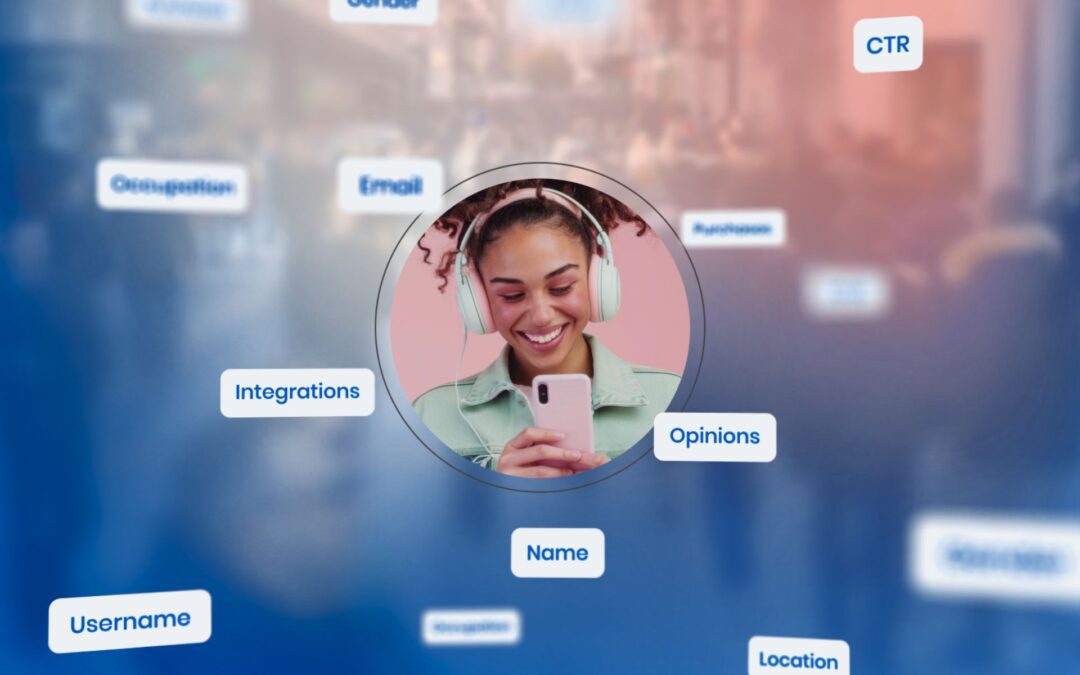
A CDP unifies behavioural, transactional, demographic, and engagement data from every customer touchpoint into a single customer profile. This means purchase history, browsing behaviour, email engagement, loyalty status, CRM records, and web activity are all connected to one individual, giving marketers a complete and accurate picture to personalise from.
The breadth of data a CDP consolidates is what separates it from simpler tools. Rather than pulling one signal at a time, a CDP stitches together:
- Transactional data: Purchase frequency, average order value, product categories, and return history
- Behavioural data: Page visits, content consumed, search queries, and time on site
- Engagement data: Email opens, click-through rates, SMS responses, and push notification interactions
- Demographic and firmographic data: Location, lifecycle stage, preferences, and consent records
- Offline data: In-store purchases, call centre interactions, and loyalty scheme activity
The result is a unified customer profile that reflects the full relationship a customer has with your brand. For a travel brand, this might mean combining a customer’s browsing history for ski holidays with their past booking windows and loyalty tier. For a retailer, it means connecting cart abandonment signals with purchase frequency to identify high-intent buyers before they drift to a competitor.
How does a CDP turn unified data into personalised experiences?
A CDP turns unified data into personalised experiences by applying intelligent models to customer profiles and triggering the right message, on the right channel, at the right moment. Models like RFM (Recency, Frequency, Monetary value), next-best-offer, and predictive lifecycle scoring translate raw data into actionable signals that feed directly into your marketing campaigns.
Once profiles are built, the CDP does not simply store data. It activates it. Marketers can define segments based on real-time behaviour and push those segments directly into email flows, SMS sequences, or web personalisation layers without manual data exports or IT dependencies.
Consider a finance brand running a cross-sell programme. A CDP can identify customers who recently completed product onboarding, score them for LTV potential, and automatically trigger a tailored next-best-offer sequence within the same platform. The personalisation is not cosmetic; it is driven by actual customer signals.
This is where the single customer view becomes commercially powerful. When every campaign decision is rooted in a complete, real-time profile, relevance improves, and so do conversion rates.
What is the difference between a CDP and a CRM for personalisation?
The key difference between a customer data platform vs CRM is scope and activation. A CRM manages known customer relationships, primarily storing contact records, sales interactions, and service history. A CDP ingests data from every digital and offline source, builds unified profiles at scale, and activates that data directly into marketing campaigns in real time.
What a CRM does well
CRMs are built for managing relationships with known contacts. They excel at tracking sales pipelines, logging service interactions, and giving account managers a view of their customers. For personalisation, CRMs are limited because they rely on manually entered or directly collected data and are not designed for real-time behavioural triggers or cross-channel campaign activation.
What a CDP adds that a CRM cannot
A CDP ingests anonymous and known data simultaneously, resolves identities across devices and channels, and updates profiles continuously. It is built to serve marketing activation, not sales management. Where a CRM tells you who a customer is, a CDP tells you what they are doing right now and what they are likely to do next. For marketers running high-volume, multi-channel programmes, that distinction is significant.
Many brands run both tools in parallel, with the CDP feeding enriched segments into the CRM or directly into campaign platforms, rather than replacing one with the other.
Which channels benefit most from CDP-driven personalisation?
Email, SMS, web, push notifications, and WhatsApp all benefit significantly from CDP-driven personalisation, but email typically delivers the highest return because it combines high reach with the ability to carry rich, personalised content. The CDP’s value multiplies when the same unified profile drives consistent messaging across all of these channels simultaneously.
Here is how personalisation plays out channel by channel:
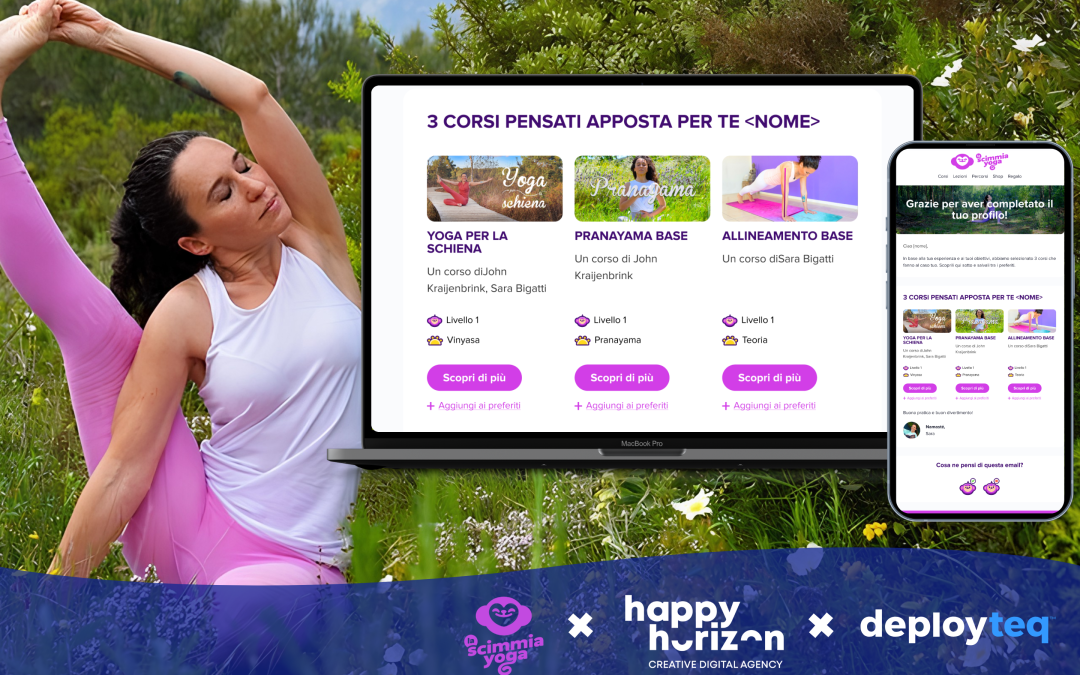
- Email: Dynamic content blocks, personalised product recommendations, and lifecycle-triggered sequences all become more accurate when powered by a complete customer profile
- SMS: Short, timely messages triggered by real-time behaviour, such as a booking reminder or a flash sale alert, land harder when they reflect what a customer actually cares about
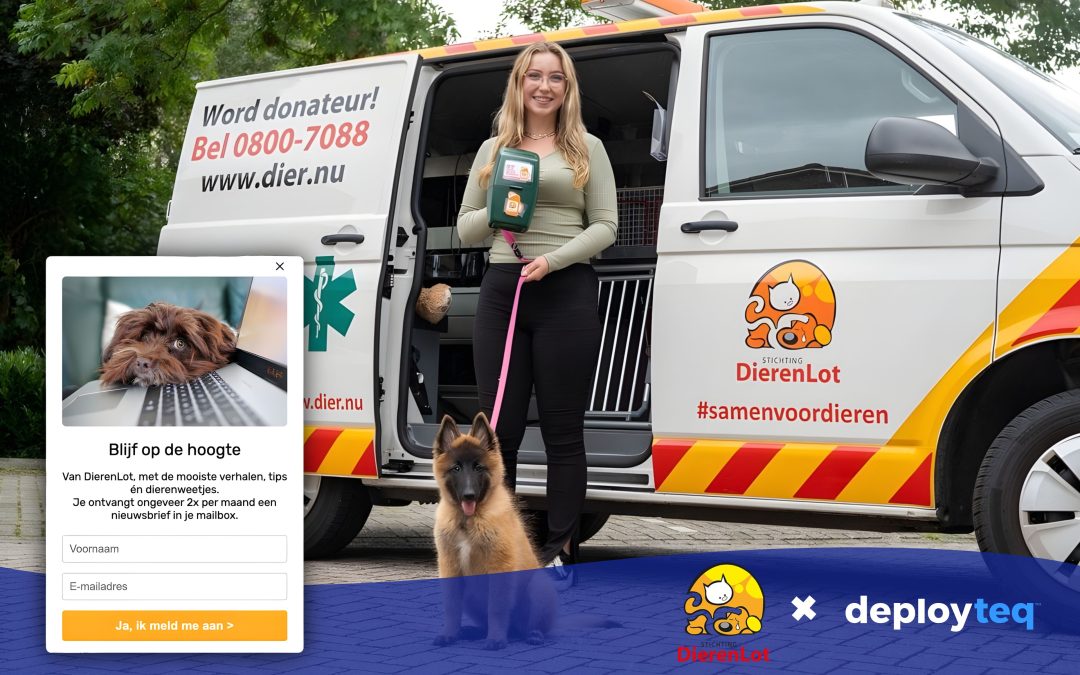
- Web personalisation: Homepage banners, product listings, and content recommendations adapt in real time based on browsing history and segment membership
- Push notifications: App-based alerts triggered by location, lifecycle stage, or recent inactivity become relevant rather than intrusive
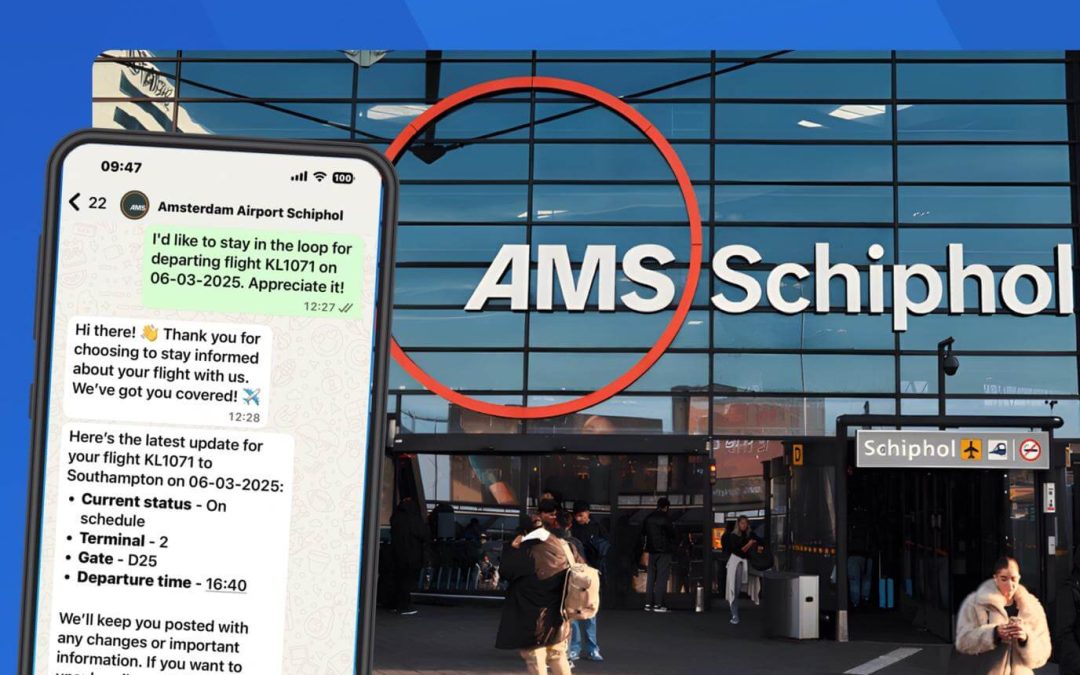
- WhatsApp: High-engagement conversational messages, particularly for post-purchase updates or loyalty rewards, benefit from the context a unified profile provides
The real gain comes from consistency. When a customer abandons a cart on mobile, receives a follow-up email, and then sees a personalised web banner the next morning, the experience feels coherent. That coherence builds trust, and trust builds LTV. You can explore how email marketing fits into a broader cross-channel strategy to see how these channels connect in practice.
How does real-time segmentation improve personalised customer journeys?
Real-time segmentation improves personalised customer journeys by ensuring customers receive messages that reflect their current behaviour, not data that is days or weeks old. When a segment updates the moment a customer takes an action, such as making a purchase or reaching a loyalty threshold, the next touchpoint in their journey can respond immediately and accurately.
Static segments age quickly. A customer who was “at risk of churn” last Tuesday may have made a purchase on Wednesday. Without real-time updates, that customer continues to receive win-back messaging that is now irrelevant and potentially off-putting.
Real-time segmentation solves this by continuously evaluating customer behaviour against segment criteria. The moment a trigger condition is met, the customer moves into the appropriate segment, and the corresponding journey activates. For an entertainment brand, this might mean instantly moving a subscriber who just renewed their subscription out of a retention flow and into an upsell sequence. For a retailer, it means triggering a cross-sell email within minutes of a completed purchase rather than the following morning.
The practical impact is fewer irrelevant messages, higher engagement rates, and journeys that feel responsive rather than scheduled. Marketing automation reaches its full potential when the segments feeding it are live and accurate.
When should a brand upgrade to a CDP for personalisation?
A brand should upgrade to a CDP when fragmented data is actively limiting the quality of personalisation it can deliver. Specific signals include: customer data living in multiple disconnected tools, an inability to trigger campaigns based on real-time behaviour, poor cross-channel consistency, or growing reliance on manual data exports to build segments.
Not every brand needs a CDP from day one. But as customer bases grow and channel complexity increases, the limitations of simpler platforms become costly. If your team is spending significant time reconciling data from different sources, or if your campaigns rely on audience lists that are refreshed weekly rather than in real time, those are clear indicators that your current setup is holding your personalisation back.
Brands in sectors with complex customer lifecycles, such as travel, finance, and retail, typically reach this tipping point earlier. The cost of a poorly timed message in these sectors, whether a churn risk who receives a new customer offer or a high-LTV customer who gets a generic promotion, is measurable in both revenue and trust.
The upgrade decision is less about company size and more about data complexity. If you are managing multiple data sources, running cross-channel campaigns, and aiming for genuine one-to-one personalisation at scale, a CDP is the right next step.
How Deployteq powers hyper-personalised experiences with its CDP
We built our Customer Data Platform specifically to give marketers the unified data foundation they need to personalise at scale, without relying on data teams for every campaign update. Here is what our CDP delivers:
- 360-degree single customer view: All customer data unified into intelligent profiles, updated in real time across every touchpoint
- Intelligent modelling built in: RFM scoring, next-best-offer recommendations, and predictive lifecycle insights activate directly within your campaigns
- Native cross-channel activation: Segments built in the CDP feed directly into email, SMS, WhatsApp, push, and web personalisation without manual exports
- Visual journey builder: Design and deploy personalised customer journeys with full flexibility, powered by live segment data
- No data silos: Consolidate sources from CRM, ecommerce platforms, loyalty programmes, and behavioural data into one place
Whether you are upgrading from a simpler platform or looking to unlock the full potential of your existing data, our CDP gives your team the tools to build experiences that genuinely resonate. Book a demo and see how it works for your specific use case.