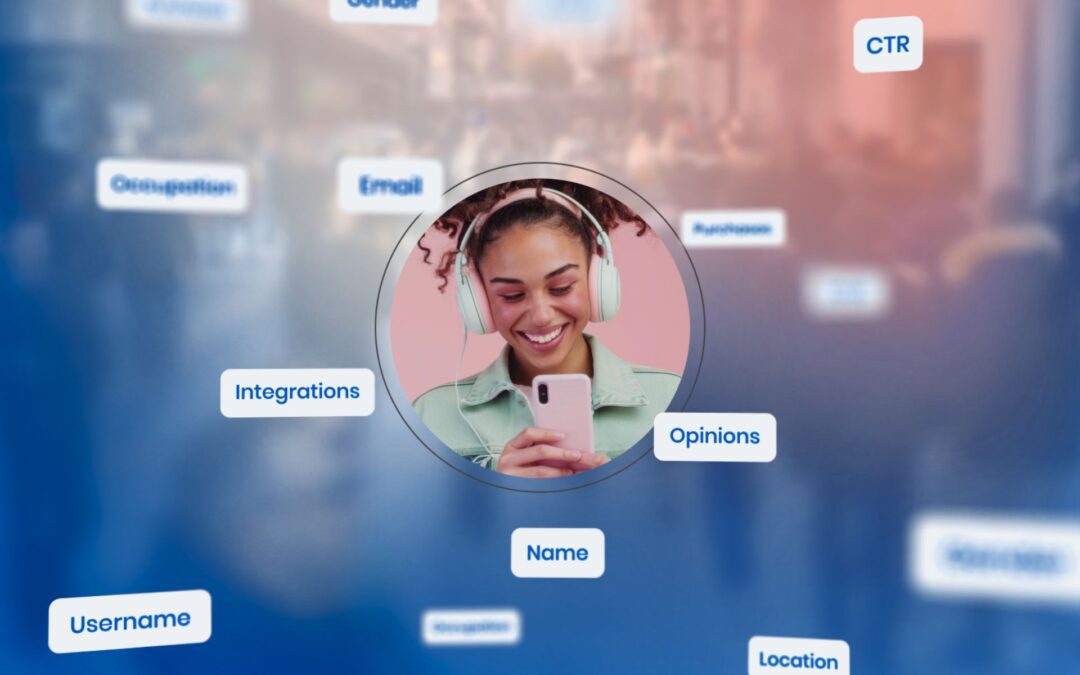
A 360-degree customer view is a unified profile of each individual customer, built from every data point your brand holds about them — their purchase history, browsing behaviour, email engagement, service interactions, and more. Rather than fragmented records scattered across systems, it brings everything together into a single, actionable picture. The sections below unpack how that profile is built, what goes into it, and why it matters for personalisation at scale.
How is a 360-degree customer view actually built?
A 360-degree customer view is built by connecting and consolidating data from every system that touches the customer — your CRM, e-commerce platform, email tool, website analytics, loyalty programme, and support channels. The process typically involves ingesting raw data, resolving duplicate identities, and stitching records together under a single customer ID. The result is a live, continuously updated profile that reflects the full customer relationship.
The technical backbone is usually a Customer Data Platform, which handles the heavy lifting of data ingestion, identity resolution, and real-time profile enrichment. Unlike a data warehouse, a CDP is designed to make that unified data immediately usable for marketing — triggering campaigns, updating segments, and powering personalisation without waiting for overnight batch processes.
Identity resolution is the step most teams underestimate. A single customer might appear as three separate records — one from an email sign-up, one from a guest checkout, and one from a loyalty card. Matching those records accurately, without merging the wrong profiles, is what separates a genuinely useful 360-degree view from a messy data dump.
What data goes into a 360-degree customer profile?
A 360-degree customer profile draws on four core categories of data: demographic, behavioural, transactional, and engagement data. Together, these layers describe not just who a customer is, but what they do, what they buy, and how they respond to your communications. The richer and more current each layer, the more accurately you can predict what a customer needs next.
- Demographic data: Name, age, location, and any declared preferences or interests.
- Behavioural data: Website browsing, product views, search queries, and app activity.
- Transactional data: Purchase history, order values, return rates, and booking patterns.
- Engagement data: Email opens and clicks, SMS responses, push notification interactions, and social touchpoints.
- Service data: Support tickets, chat transcripts, and complaint history — often overlooked but highly revealing.
For sectors like travel and retail, real-time behavioural signals are especially valuable. Knowing that a customer browsed a specific destination or added a product to their basket in the last two hours is far more actionable than knowing they bought something six months ago. The goal is a profile that reflects the customer right now, not who they were at their last purchase.
What’s the difference between a 360-degree view and a single customer view?
A single customer view (SCV) and a 360-degree customer view are closely related but differ in scope. A single customer view focuses primarily on resolving identity — ensuring each customer appears as one deduplicated record across your systems. A 360-degree view goes further, enriching that unified record with behavioural, predictive, and contextual data to create a complete, dynamic picture of the customer relationship.
Think of the SCV as the foundation and the 360-degree view as the finished structure built on top of it. The SCV answers “who is this person?” The 360-degree view answers “who is this person, what do they care about, where are they in their lifecycle, and what are they likely to do next?”
In practice, many teams conflate the two terms. The distinction matters most when you are evaluating tools. A basic CRM or email platform may offer a single customer view in the sense of deduplicated contact records. But without real-time behavioural data, predictive modelling, and cross-channel activation, it falls short of a true 360-degree profile. Understanding the customer data platform vs CRM distinction is key here — a CRM manages relationships, while a CDP unifies data across every touchpoint to power that fuller view.
How does a 360-degree customer view improve personalisation?
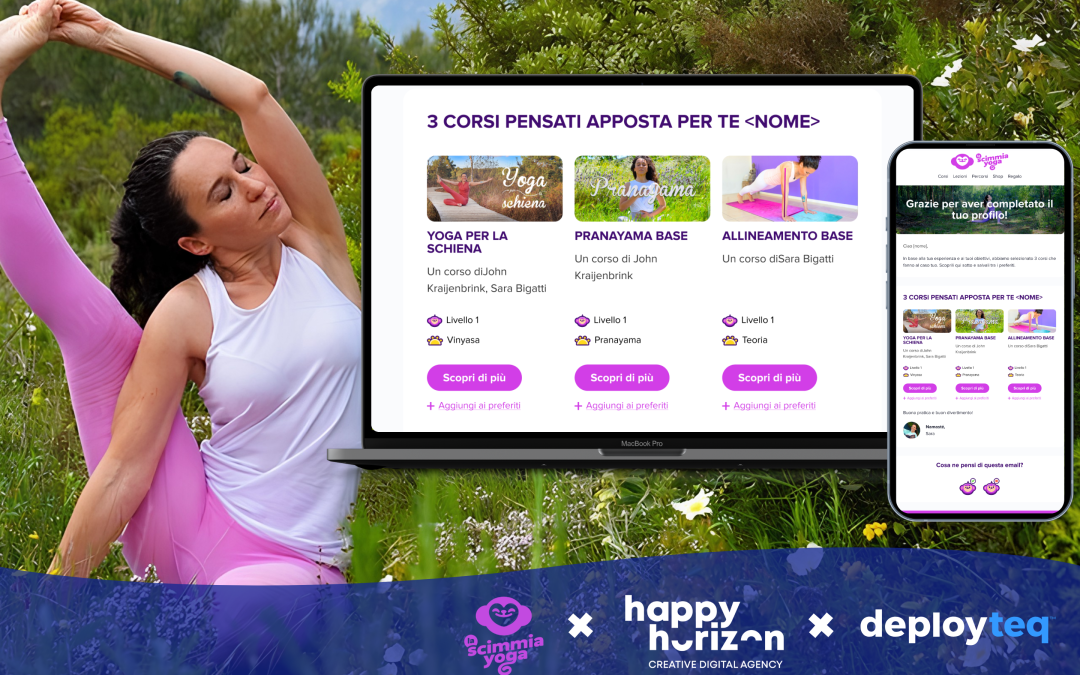
A 360-degree customer view improves personalisation by giving marketers the context to send the right message, to the right person, at the right moment — across every channel. Without it, personalisation is limited to name tokens and broad segments. With it, you can trigger communications based on real-time behaviour, lifecycle stage, predicted intent, and individual purchase patterns.
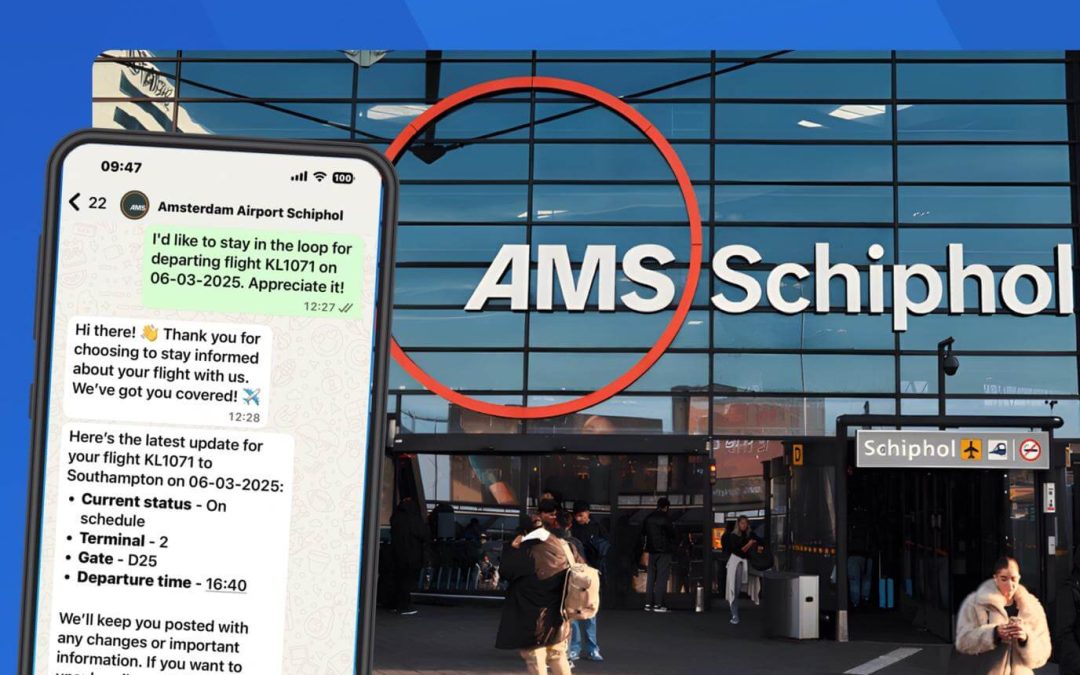
For a retail brand, this might mean surfacing a restock alert for a product a customer viewed twice last week, sent via the channel they most recently engaged on. For a travel brand, it could mean a re-engagement email timed to when a customer typically starts planning their next trip, based on their booking history.
Predictive models built on top of a 360-degree profile add another layer. RFM analysis (Recency, Frequency, Monetary value) identifies your highest-value customers and those at risk of churning. Next-best-offer modelling uses purchase patterns to recommend what a customer is most likely to want next. These are not theoretical capabilities — they are the practical output of having clean, unified, actionable customer data.
What are the biggest challenges in achieving a full customer view?
The biggest challenges in achieving a 360-degree customer view are data silos, identity resolution accuracy, data quality, and organisational alignment. Most brands already hold enough raw data to build a meaningful customer profile — the barrier is rarely a lack of data, but rather the inability to connect it reliably and keep it current.
- Data silos: CRM, e-commerce, email, and support platforms often hold separate records with no automated sync between them.
- Identity resolution: Matching the same customer across devices, channels, and purchase journeys without creating false merges is technically demanding.
- Data quality: Incomplete records, outdated contact details, and inconsistent field naming degrade the usefulness of any unified profile.
- Consent and compliance: GDPR and similar regulations require that data collection and usage are properly consented, adding governance complexity to any unification project.
- Organisational silos: Marketing, IT, and data teams often have different priorities and timelines, slowing down implementation.
The teams that succeed tend to start with a clear use case rather than trying to unify everything at once. Picking one high-value segment — say, lapsed customers in your top LTV bracket — and building a complete profile for that group first delivers faster results and builds internal confidence for broader rollout.
Which tools and platforms enable a 360-degree customer view?
The primary tool for building a 360-degree customer view is a Customer Data Platform (CDP). A CDP ingests data from multiple sources, resolves customer identities, and creates unified profiles that are immediately available for segmentation and campaign activation. Unlike CRMs, which are built around managing sales relationships, CDPs are purpose-built for marketing use cases and real-time data activation.
Other tools contribute to the picture but rarely replace a CDP. CRMs provide transactional and relationship data. Web analytics platforms contribute behavioural signals. Email and marketing automation platforms add engagement data. A CDP acts as the connective layer, pulling these sources together and making the combined data usable across every channel.
When evaluating platforms, look for native connectors to your existing stack, real-time data ingestion (not just batch updates), built-in identity resolution, and direct integration with your campaign execution tools. A CDP that requires a separate activation layer adds friction and latency — the closer the data and the campaign tool sit to each other, the faster you can act on customer signals.
How Deployteq helps you build a true 360-degree customer view
We built our Customer Data Platform specifically to close the gap between unified data and real campaign activation. Rather than treating data unification as a separate data team project, our CDP sits directly inside the Deployteq platform — so the moment a profile is enriched, it is immediately available for segmentation, journey triggers, and personalised content across email, SMS, WhatsApp, push, and web.
Here is what that looks like in practice:
- Unified customer profiles: Every touchpoint — purchase, browse, open, click, support interaction — feeds a single, continuously updated customer record.
- Intelligent modelling built in: RFM analysis, next-best-offer, and predictive lifecycle insights run directly on your unified data, without needing a separate data science tool.
- Real-time segmentation: Build hyper-targeted segments based on live behavioural signals, not yesterday’s batch export.
- Cross-channel activation: Deploy personalised campaigns across every channel from the same platform, using the same customer data.
- Visual customer journey mapping: See exactly where each customer sits in their lifecycle and design journeys that respond to where they are right now.
If your current stack is giving you fragments instead of a full picture, it is worth seeing what a purpose-built CDP can do. Book a demo and we will show you how Deployteq turns your existing data into campaigns that actually land.