A Customer Data Platform connects marketing data across channels by unifying all customer touchpoints into a single, persistent customer profile. It pulls together behavioural data, transactional records, email engagement, web activity, and more into one centralised view. Unlike tools that store data in siloes, a CDP makes that data immediately actionable across every channel you market through.
This matters most for brands running high-volume, multi-channel programmes where disconnected marketing data leads to inconsistent experiences, missed triggers, and revenue left on the table. Below, we unpack exactly how a CDP works, what it connects, and when it makes sense to adopt one.
What data does a CDP actually bring together?
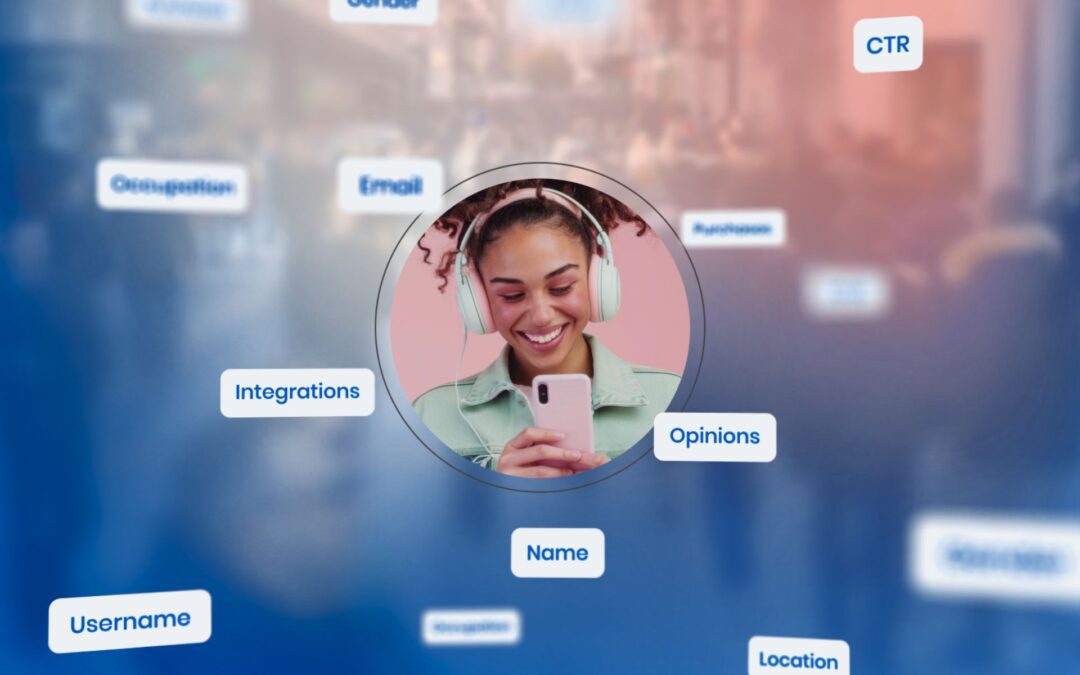
A marketing CDP unifies first-party data from every source a customer touches: email clicks, website behaviour, purchase history, app interactions, loyalty programme activity, and CRM records. The result is a single, persistent customer profile that updates in real time as new data flows in. This is the foundation of data you can actually use.
Most brands are sitting on rich data spread across half a dozen platforms. The CDP’s job is to resolve all of that into one identity. This means matching a user’s email address to their browsing session, in-store purchase, and app login, even when those interactions happen across different devices or timeframes.
- Behavioural data: page views, product searches, content engagement
- Transactional data: purchase history, order value, return frequency
- Channel engagement data: email opens, SMS clicks, push notification responses
- CRM and loyalty data: account details, tier status, preferences
- Third-party enrichment data: demographic or firmographic overlays where relevant
The critical difference is persistence. A CDP does not just aggregate data for a single campaign. It builds and maintains profiles over time, so every interaction adds to a richer picture of who that customer is and what they are likely to do next.
How does a CDP connect data across different marketing channels?
A CDP connects channels by acting as the central data layer that feeds every execution tool in your stack. Rather than each channel platform managing its own audience data independently, the CDP pushes unified segments and real-time signals into email, SMS, WhatsApp, push, web personalisation, and paid media simultaneously. Every channel speaks from the same customer truth.
This is where the gap between theory and practice closes. Without a shared data layer, a customer who just purchased through your app can still receive an abandoned cart email an hour later. With a CDP in place, that trigger is suppressed the moment the purchase event fires, and the next communication shifts to a post-purchase sequence instead.
The connectivity works in both directions. Channels feed engagement data back into the CDP, which updates profiles and refines segments dynamically. A customer who opens three travel-related emails in a week signals intent. A CDP captures that signal and can trigger a next-best-offer model to surface the most relevant destination or product across whichever channel they engage with next.
For retail and e-commerce brands, this cross-channel intelligence is what separates a generic broadcast strategy from a genuinely personalised customer journey.
What’s the difference between a CDP, a DMP, and a CRM?
The key distinction is the type of data each tool manages and how long it retains it. A CRM stores known customer records, primarily contact and transactional data. A DMP (Data Management Platform) handles anonymous, cookie-based audience data for paid media targeting, typically with short retention windows. A CDP unifies both known and unknown profiles using first-party data, with persistent identity resolution built for ongoing marketing activation.
CRM: the relationship record
Your CRM is built around named contacts and their history with your business. It excels at managing pipelines, support tickets, and account data. What it typically lacks is the ability to ingest real-time behavioural signals at scale or activate that data across multiple channels instantly. It is a record system, not an activation system.
DMP: the anonymous audience tool
DMPs were built for programmatic advertising. They work with third-party cookies and anonymous audience segments, which makes them powerful for top-of-funnel reach. However, with the deprecation of third-party cookies and tightening privacy regulations, their utility for personalised, consent-based marketing has narrowed significantly.
CDP: the activation layer
A CDP combines the depth of a CRM with the real-time responsiveness needed for cross-channel execution. It is built specifically to make marketing data actionable, not just stored. The profiles it creates are designed to feed directly into campaign tools, journey builders, and personalisation engines without manual data exports or IT dependencies.
How does a CDP improve personalisation across channels?
A CDP improves personalisation by giving every channel access to the same, continuously updated customer profile. Instead of each platform making decisions based on partial data, the full picture, including purchase history, engagement recency, predicted LTV, and next-best-offer signals, informs every message sent. This is how brands move from segment-level targeting to genuine individual relevance.
Intelligent modelling built on top of CDP data takes personalisation further. RFM (Recency, Frequency, Monetary) scoring identifies your highest-value customers and those at risk of lapsing. Predictive models surface the product or offer most likely to convert for each individual. Lifecycle stage logic ensures a new subscriber receives different content from a loyal, high-frequency buyer.
For a travel brand, this might look like serving a customer who booked a city break last spring with destination inspiration tailored to that preference, timed to their typical booking window, across email, web, and push simultaneously. The experience feels intuitive because it is built on real behaviour, not assumptions.
This level of cross-channel consistency is exactly what solves the disconnected marketing data problem. When every channel draws from the same source of truth, the customer experience becomes coherent rather than fragmented.
When should a brand consider moving to a CDP?
A brand should consider moving to a CDP when its customer data is spread across multiple platforms that do not communicate with each other, causing delays, inconsistencies, or missed triggers in marketing execution. If your team regularly exports and imports data manually, relies on IT to build audiences, or cannot act on real-time behavioural signals, a CDP directly solves those operational bottlenecks.
There are a few specific signals that indicate the timing is right:
- You are running campaigns across three or more channels and each one uses different audience logic
- Your email platform, CRM, and web analytics tool do not share a common customer ID
- You are upgrading from a simpler platform like MailChimp or ActiveCampaign and need more sophisticated segmentation
- Your personalisation is limited to name fields and basic segments rather than behavioural triggers
- You are investing in paid media but cannot suppress existing customers from acquisition campaigns
The move to a CDP is not just a technology upgrade. It is a shift in how your team operates. When marketing automation is powered by unified data, campaign production accelerates, audience quality improves, and results become measurable at an individual level rather than a cohort level.
How Deployteq helps you activate a marketing CDP
We built our Customer Data Platform specifically to close the gap between data unification and campaign execution. There is no middleware, no waiting for IT, and no separate activation layer to manage. Everything lives in one place.
Here is what that looks like in practice:
- 360-degree single customer view: all touchpoints resolved into one persistent profile, updated in real time
- Intelligent modelling built in: RFM scoring, next-best-offer recommendations, and full lifecycle insights are available directly within campaign workflows
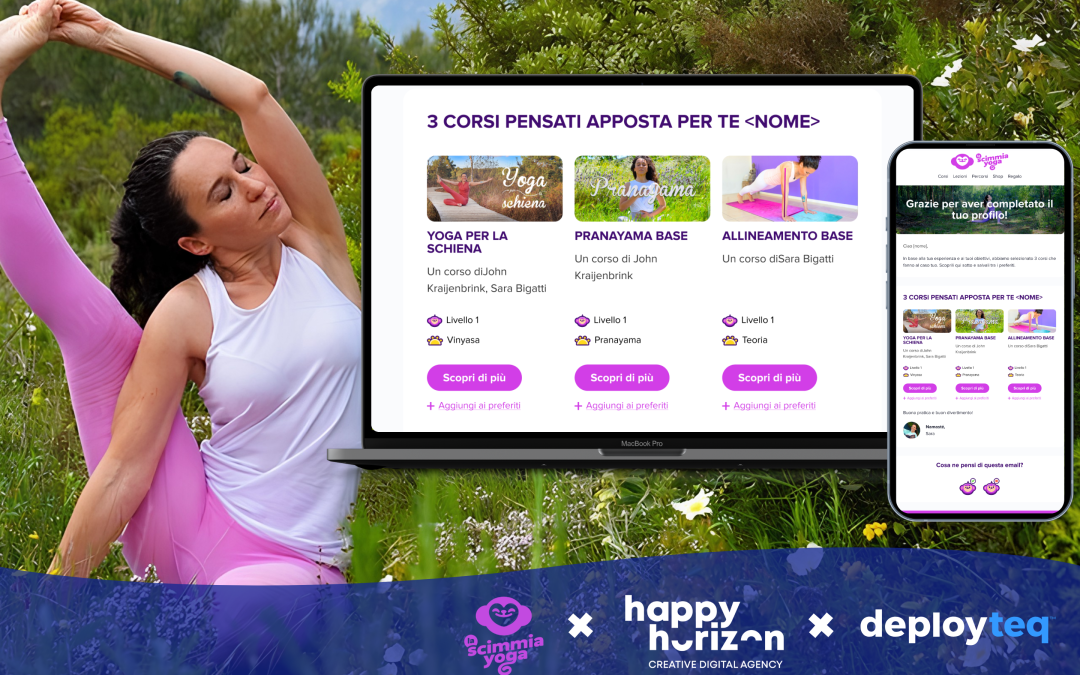
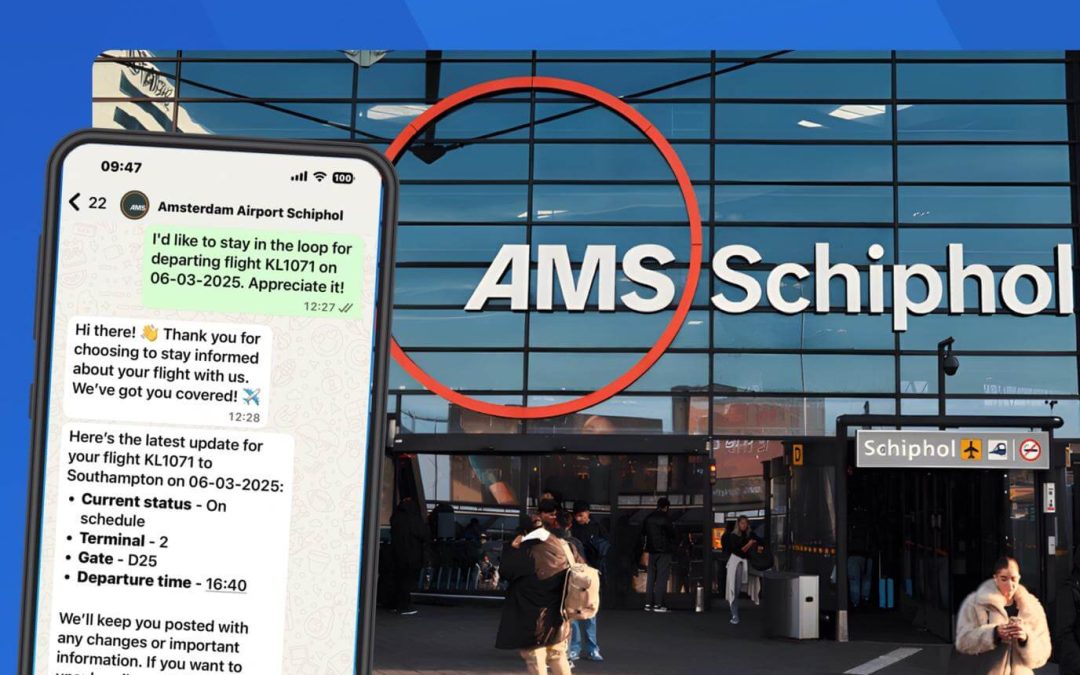
- Native cross-channel activation: email, SMS, WhatsApp, push, and web personalisation all draw from the same data layer without exports or integrations
- Smart segmentation at speed: build hyper-personalised segments based on behaviour, predicted value, and lifecycle stage without SQL or data team involvement
- Predictive insights: identify customers at risk of lapsing, likely to upgrade, or ready for a cross-sell before the moment passes
If your data is there but not working hard enough, that is exactly the problem we solve. Book a demo and see how unified customer data transforms what your campaigns can actually do.