Marketers struggle to turn customer data into results because the data they collect is often disconnected, incomplete, or stored in systems that don’t talk to each other. When your CRM, email platform, and analytics tools all hold different pieces of the same customer picture, acting on that data in real time becomes nearly impossible. The sections below unpack the specific barriers, from poor segmentation to platform confusion, and show you exactly how to close the gap.
What stops marketers from acting on the data they already have?
The biggest barrier is disconnected marketing data. Most marketing teams are not short of data. They are short of data in a usable format, in one place, at the right time. When customer information lives across separate tools, acting on it requires manual exports, IT support, or workarounds that slow everything down.
The result is a familiar frustration: you know a customer browsed your pricing page three times this week, but your email platform has no idea. Your loyalty data sits in a separate CRM. Your purchase history is in your ecommerce backend. None of these systems fires a trigger because none of them shares a single view of that customer.
Beyond fragmentation, there are three other common blockers:
- Data quality issues: Duplicate records, missing fields, and outdated contact details make segmentation unreliable before you even start.
- Lack of real-time access: Batch data syncs that run overnight mean your campaigns are always reacting to yesterday’s behaviour, not today’s intent.
- Skills and tooling gaps: Even with good data, teams without the right platform or technical resources cannot translate insight into a live, personalised campaign quickly enough to matter.
What is data activation and why does it matter in marketing?
Data activation is the process of turning raw customer data into live, personalised marketing actions, such as triggered emails, targeted segments, or dynamic on-site content. It is the step between collecting data and actually using it to drive revenue. Without activation, your data is an asset that sits idle.
The reason it matters so much in 2026 is that customer expectations have shifted. Consumers now expect brands to remember their preferences, anticipate their needs, and communicate at the right moment. A retail customer who just abandoned a cart does not want a generic newsletter. They want a relevant nudge, sent quickly, on the channel they actually use.
Data activation closes that gap. It connects your customer intelligence directly to your campaign execution, so the insight you gather today shapes the message someone receives tonight. That is the difference between smart marketing automation and a broadcast approach that treats every customer the same.
How does poor segmentation affect marketing performance?
Poor segmentation directly reduces engagement, conversion rates, and customer retention. When you send the same message to your entire database, you are optimising for nobody. Relevance drops, unsubscribe rates climb, and your sender reputation suffers, making it harder to reach even the customers who do want to hear from you.
The impact compounds over time. A travel brand sending winter sun promotions to customers who only book city breaks is not just wasting budget. It is actively training those customers to ignore future communications. Re-engagement becomes progressively harder and more expensive.
Effective segmentation solves this by grouping customers based on behaviour, lifecycle stage, purchase history, and predicted intent rather than basic demographics alone. When a finance brand segments by product holding and recency of interaction, it can send genuinely timely messages, such as a mortgage renewal reminder to the right customer at the right point in their lifecycle, rather than a mass blast that irritates everyone else.
The practical takeaway: segment on data you can actually use, updated in real time, tied to actions customers have already taken.
What’s the difference between a CRM, a CDP, and a marketing automation platform?
A CRM manages relationships and sales pipeline data. A CDP (Customer Data Platform) unifies all customer data from every source into a single, persistent profile. A marketing automation platform executes campaigns across channels using that data. They serve different functions, and confusing them is one reason so many teams end up with disconnected marketing data despite investing heavily in technology.
What a CRM does
A CRM is built for managing contacts, tracking sales interactions, and supporting customer service teams. It holds structured relationship data but is rarely designed to ingest behavioural signals from your website, app, or third-party sources in real time. It is a record-keeping tool, not a campaign execution engine.
What a CDP does
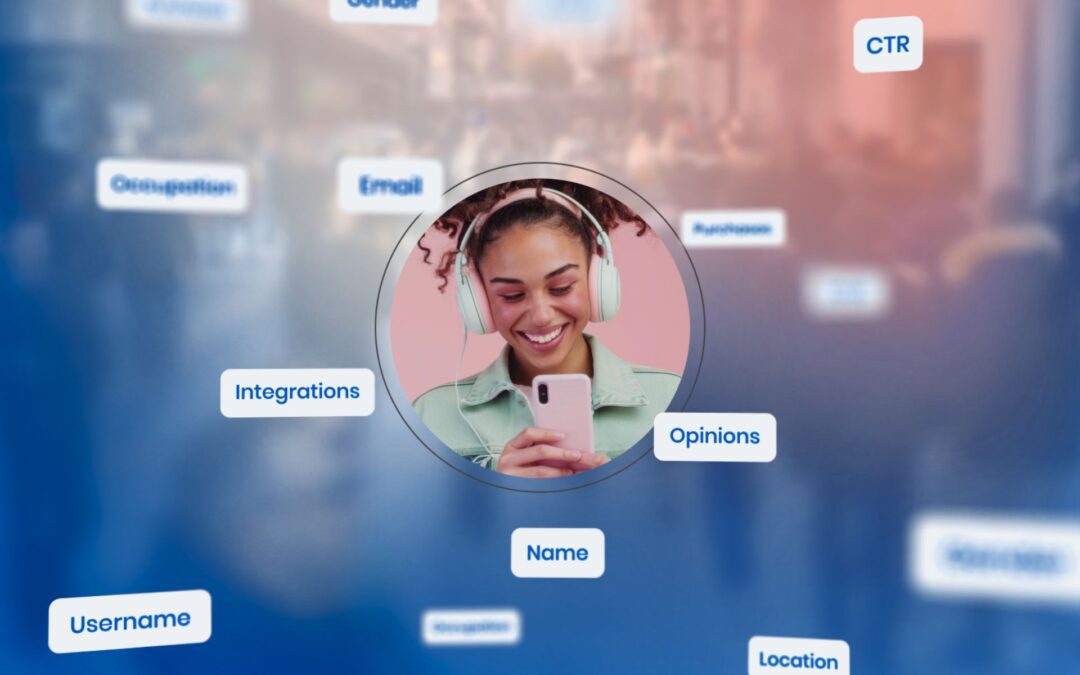
A marketing CDP is purpose-built to consolidate data from every touchpoint, online and offline, into a unified customer profile. It resolves identity across devices and channels, so the same customer is recognised whether they browse on mobile, click an email, or walk into a store. The CDP then makes those enriched profiles available to downstream tools for activation.
What a marketing automation platform does
A marketing automation platform is where campaigns are built, triggered, and delivered. It uses the data available to it to personalise messages, automate journeys, and orchestrate communication across email, SMS, push, and other channels. When connected to a CDP, it becomes significantly more powerful because it is working from a complete, current customer profile rather than a partial snapshot.
Understanding the difference between CDP vs marketing automation is critical when evaluating your stack. They are complementary, not interchangeable. The CDP feeds the automation platform with data you can actually use.
How can marketers close the gap between data and campaign results?
Closing the gap between data and results requires three things working together: unified data, actionable segmentation, and automated execution. Each one is necessary. None of them works well in isolation.
Here is a practical framework to work through:
- Audit your data sources: Map where customer data currently lives. Identify which sources update in real time and which rely on manual exports or batch syncs.
- Resolve your customer identity problem: Before you can personalise, you need a single view of each customer across all touchpoints. This is where a CDP earns its value.
- Build segments around behaviour, not just demographics: Use purchase recency, browsing patterns, lifecycle stage, and predicted next action. Static lists go stale fast.
- Automate triggers, not just campaigns: A scheduled newsletter is a campaign. A message sent within an hour of a customer abandoning a booking is a trigger. Triggers convert better because they are timely and relevant.
- Test and iterate rapidly: Use your data to run structured A/B tests on subject lines, send times, and content. Let the results guide your next segment build.
For an entertainment brand managing high-frequency engagement, this might mean triggering a personalised content recommendation the moment a subscriber’s activity drops below a threshold, before they churn. For a retail brand, it could be a personalised email sequence that fires based on cart value and product category, not just cart abandonment alone.
Which metrics actually show whether customer data is driving results?
The metrics that prove your customer data is working are conversion rate by segment, revenue per email, and customer lifetime value (LTV). Vanity metrics like open rate tell you about delivery performance. These metrics tell you whether your data is translating into commercial outcomes.
Focus on these specifically:
- Segment conversion rate: Are your behavioural segments converting at a higher rate than your broadcast campaigns? If not, your segmentation logic needs revisiting.
- Revenue per email sent (RPE): A simple but powerful indicator of whether personalisation is paying off. Compare RPE across triggered campaigns versus scheduled sends.
- Lifecycle stage progression: Are customers moving from first purchase to repeat buyer at the rate you expect? If they are stalling, your nurture sequences are not doing enough with the data you have.
- Churn rate by segment: Which customer groups are disengaging fastest? This often reveals where your data is thin or where your messaging is missing the mark.
- RFM scores over time: Recency, Frequency, and Monetary value scoring shows whether your most valuable customers are becoming more or less engaged as a result of your campaigns.
If your marketing data is not actionable enough to track these metrics at a segment level, that is the signal to revisit your data infrastructure before optimising your campaigns further.
How Deployteq helps you activate your customer data
We built our platform specifically to solve the problem of marketing data that is not actionable. Deployteq brings together a newly launched Customer Data Platform, advanced segmentation, and a cross-channel campaign engine in one place, so you are not stitching together a fragmented stack to get a complete customer view.
Here is what that looks like in practice:
- Unified customer profiles: Our CDP consolidates data from every source into a single 360-degree customer view, resolving identity across channels and devices.
- Intelligent modelling built in: RFM scoring, next-best-offer predictions, and full lifecycle insights are available directly within your campaigns, with no data science team required.
- Real-time activation: Trigger personalised campaigns across email, SMS, WhatsApp, push, and web the moment a customer takes an action, not the next morning.
- Hyper-personalised segmentation: Build dynamic segments based on live behavioural data, purchase history, and predictive signals, then deploy them instantly.
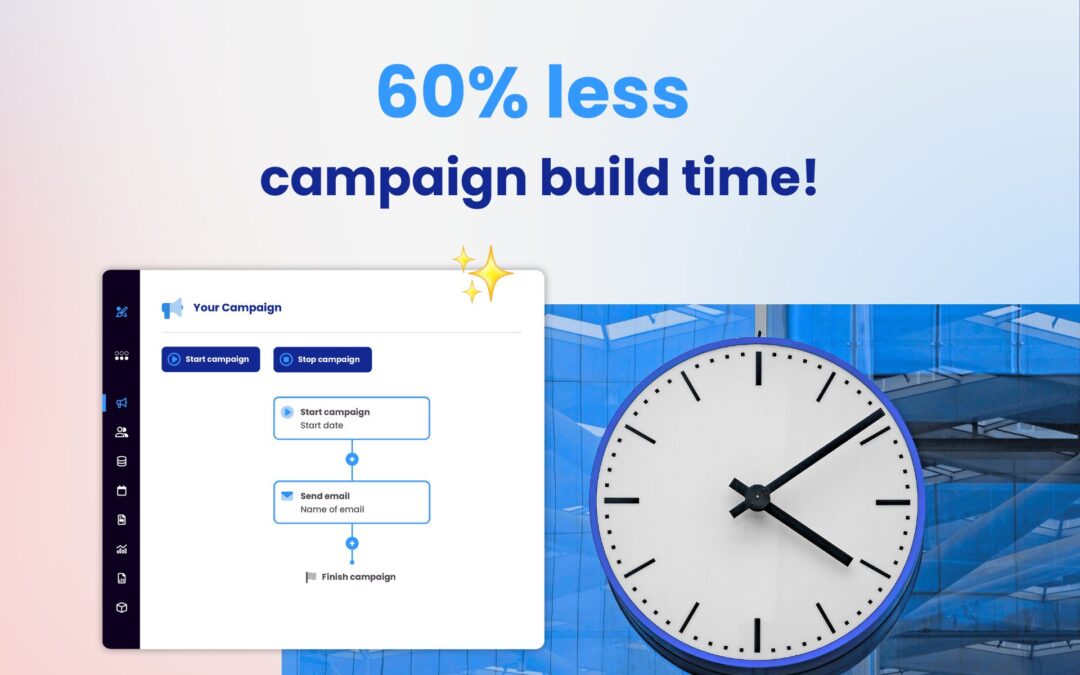
- No platform switching: Your data, your segments, and your campaign execution all live in one place, which means faster builds and fewer gaps between insight and action.
If your current setup is leaving valuable customer data sitting unused, we would love to show you what a connected approach looks like. Book a personalised demo and see how Deployteq turns your data into campaigns that actually perform.