You activate customer data in campaigns by connecting your data layer directly to your campaign execution tools, so that real-time customer attributes, behaviours, and predictive scores trigger personalised messages without any manual export or list-building in between. The key is removing the gap between where your data lives and where your campaigns fire. This article unpacks the building blocks of that process, from the types of data that power activation to the channels and metrics that prove it is working.
What does it mean to activate customer data in campaigns?
Customer data activation means using live, unified customer profiles to trigger and personalise marketing campaigns in real time, rather than relying on static exports or batch-uploaded lists. When data is activated, a customer’s behaviour, purchase history, or predicted intent directly determines what message they receive, on which channel, and when.
The distinction matters because most marketers are sitting on rich data that never actually reaches their campaigns. The data exists in a CRM, a web analytics tool, or a loyalty platform, but it stays disconnected from the sending layer. Disconnected marketing data is one of the most common blockers to personalisation at scale.
Activation closes that loop. Instead of exporting a segment on a Monday morning and hoping it is still accurate by the time the campaign sends, activation means the segment updates continuously and the campaign responds to the customer as they are right now, not as they were last week.
What types of customer data can be used to power campaigns?
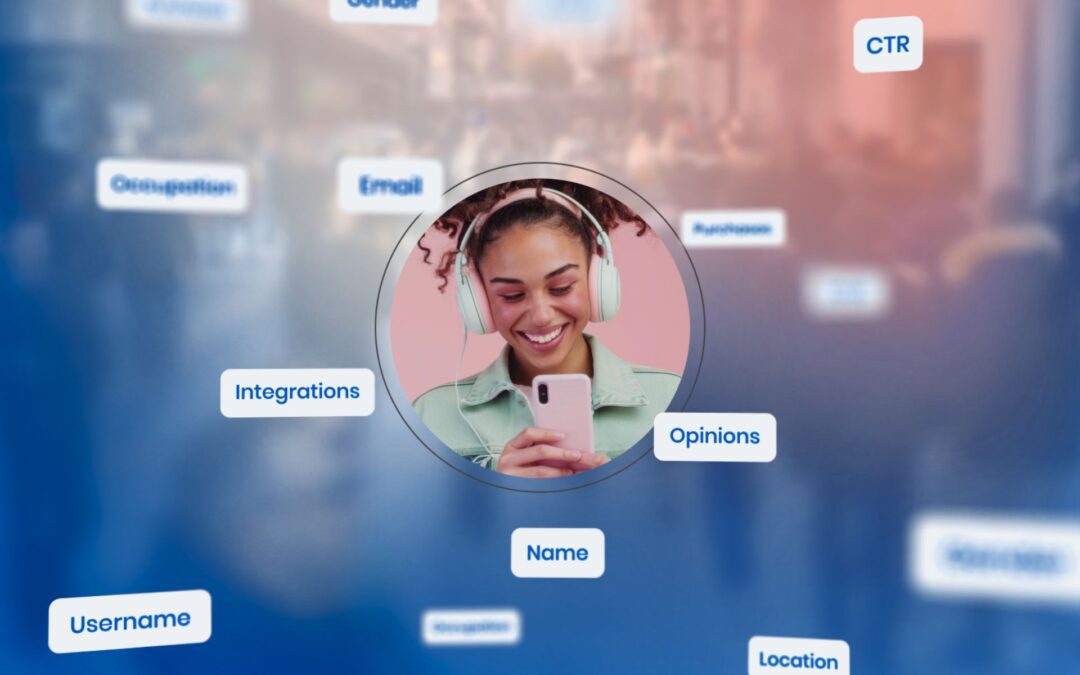
The most effective campaign activation draws on four categories of customer data: behavioural, transactional, demographic, and predictive. Each layer adds a different dimension of relevance, and the most personalised campaigns combine all four rather than relying on any single source.
- Behavioural data: Pages visited, products browsed, emails opened, links clicked, and time spent on site. This signals current intent.
- Transactional data: Purchase history, order value, frequency, and recency. This is the foundation of RFM modelling.
- Demographic and profile data: Location, lifecycle stage, loyalty tier, and preferences. This shapes tone, offer type, and channel choice.
- Predictive data: Next-best-offer scores, churn probability, and LTV predictions. This tells you what a customer is likely to do next, not just what they have done.
For a retail brand, combining transactional recency with a next-best-offer score means you can send a highly targeted reactivation email to a lapsed buyer featuring the exact category they are most likely to purchase from next. That level of relevance is only possible when all four data types are unified into a single customer profile.
How does a CDP enable direct campaign activation?
A marketing CDP enables direct campaign activation by unifying data from every source into a single customer profile and making that profile available to your campaign tools in real time. Rather than requiring a data team to build and export audiences, a CDP creates a persistent, always-on connection between your data and your execution layer.
The practical difference between a CDP and a traditional data warehouse is that a CDP is built for marketers, not analysts. It surfaces actionable segments, intelligent models like RFM and next-best-offer, and lifecycle insights directly inside the tools you use to build campaigns. That means marketing data becomes actionable without a technical bottleneck sitting between insight and execution.
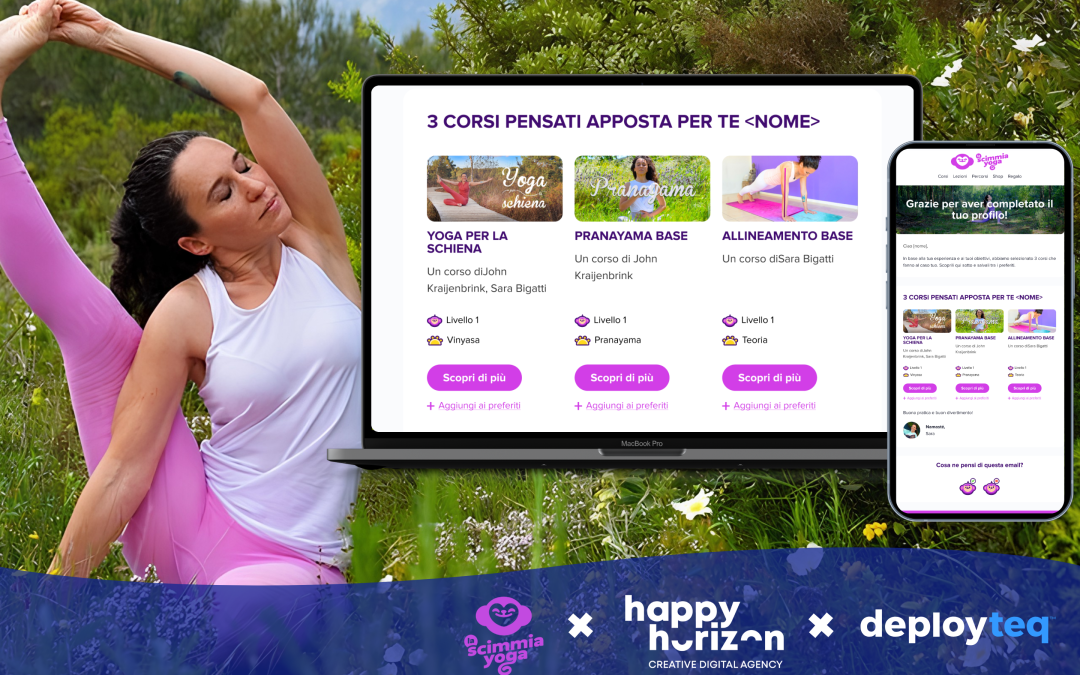
When a CDP is natively integrated with your campaign platform, the workflow changes fundamentally. A customer who browses a holiday destination three times in a week can automatically enter a personalised email journey without anyone manually pulling that audience. The data triggers the campaign, and the campaign responds in real time.
What’s the difference between segmentation and audience activation?
Segmentation is the process of grouping customers based on shared attributes or behaviours. Audience activation is what happens next: taking those segments and deploying them directly into live campaigns across channels. Segmentation is the thinking; activation is the doing.
Many marketing teams are strong at segmentation but weak at activation. They build precise, well-reasoned audience groups, then lose momentum when it comes to actually getting those audiences into campaigns quickly. The gap is usually a technical one: the segmentation tool and the campaign tool are not connected, so every activation requires a manual step.
True audience activation means your segments are dynamic. When a customer’s behaviour changes, their segment membership updates automatically, and their campaign experience updates with it. A customer who moves from “occasional buyer” to “high-frequency purchaser” should shift into a loyalty nurture journey without anyone manually moving them. That is the operational difference between segmentation and activation.
Which channels support direct customer data activation?
Direct customer data activation works across email, SMS, WhatsApp, push notifications, and web personalisation. The channel mix that makes sense for your brand depends on your audience preferences and where your customers are most responsive, but the activation logic is consistent across all of them.
- Email: The highest-volume activation channel for most brands. Personalised subject lines, dynamic content blocks, and triggered journeys all depend on live customer data.
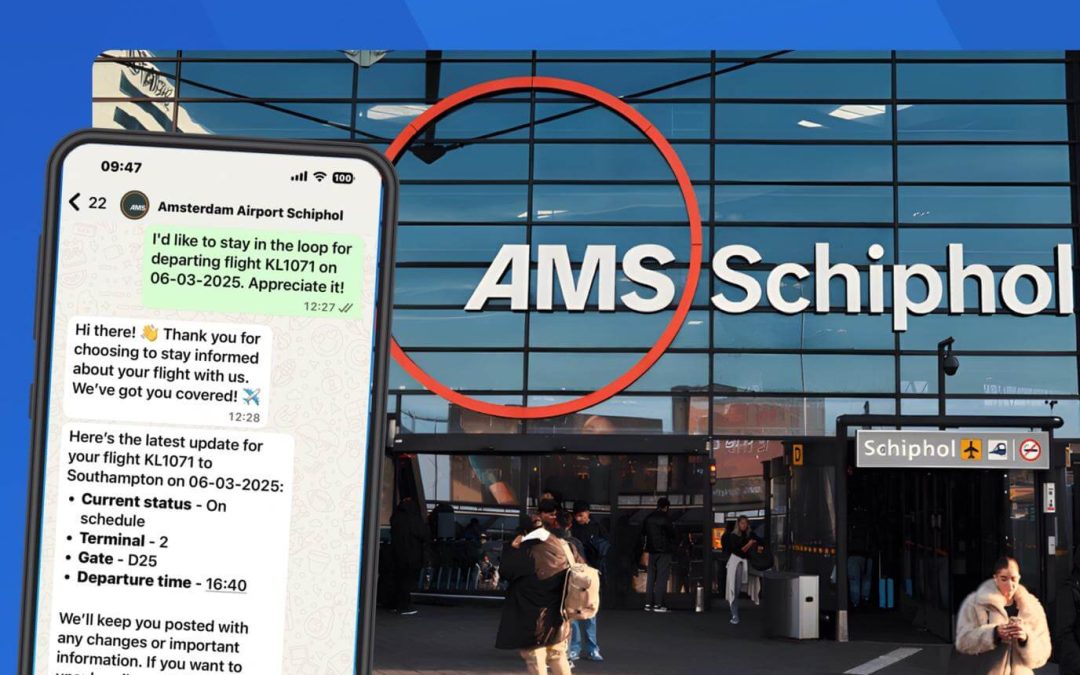
- SMS and WhatsApp: Ideal for time-sensitive triggers such as booking confirmations, flash sale alerts, or cart recovery nudges where open rates need to be high.
- Push notifications: Effective for app-based engagement, particularly in travel, entertainment, and finance where in-app behaviour drives strong intent signals.
- Web personalisation: Surfaces the right content, offers, or product recommendations to a known visitor based on their profile and predicted intent.
The brands that see the strongest results from data activation are those treating these channels as one connected experience rather than separate campaigns. A customer who ignores an email about a renewal reminder should automatically receive an SMS follow-up, not a duplicate email. That kind of cross-channel coordination only works when the same data layer is powering every channel simultaneously.
How do you measure whether customer data activation is working?
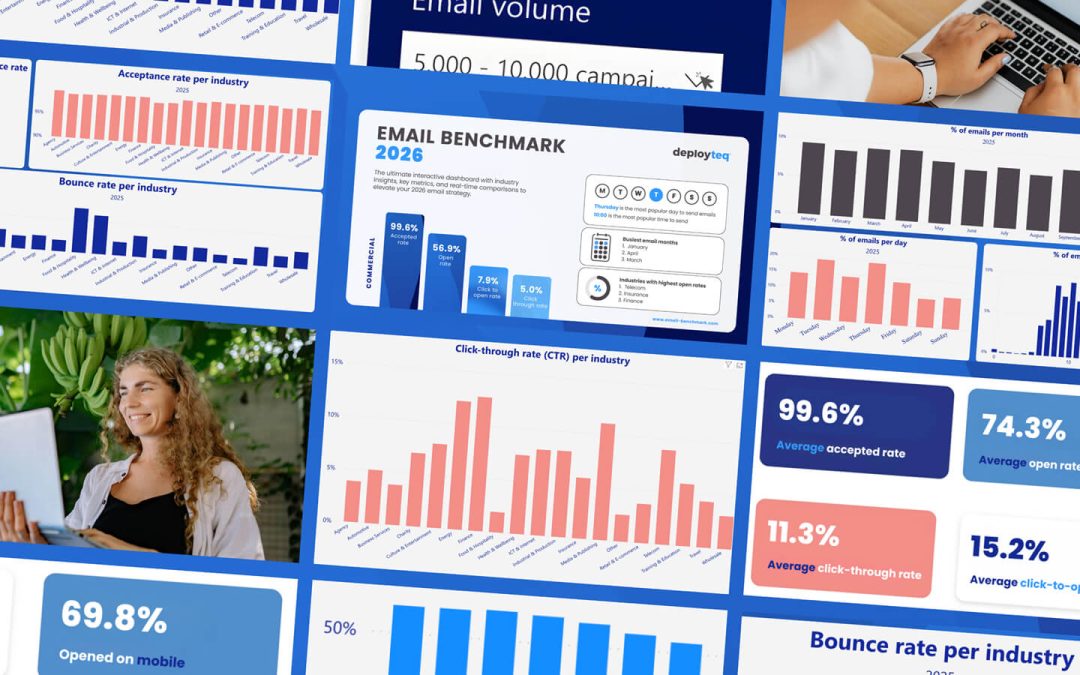
The clearest signal that customer data activation is working is an improvement in campaign relevance metrics: higher open rates, higher click-to-conversion rates, and lower unsubscribe rates compared to non-personalised sends. Beyond those headline numbers, the most meaningful indicators are segment-level engagement and revenue attribution by audience cohort.
Specific metrics worth tracking include:
- Segment conversion rate: Are the audiences you are activating converting at a higher rate than your general list?
- Journey completion rate: What percentage of customers who enter an activated journey reach the intended outcome?
- Revenue per activated profile: Is a customer whose data is being actively used to personalise their experience generating more LTV than one who is not?
- Latency between trigger and send: How quickly does a behavioural signal translate into a campaign response? Faster activation typically means higher relevance.
It is also worth measuring what is not happening. A reduction in manual audience exports, fewer “wrong message, wrong person” complaints, and less reliance on batch campaigns are all signs that your data is becoming genuinely actionable rather than sitting unused in a warehouse.
How Deployteq activates your customer data directly in campaigns
We built our Customer Data Platform specifically to close the gap between data and execution. Here is what that looks like in practice:
- Unified customer profiles: All your data sources feed into a single 360-degree customer view, updated continuously so your campaigns always reflect the current state of each customer.
- Intelligent modelling built in: RFM scoring, next-best-offer predictions, and full lifecycle insights are available directly inside your campaign builder, no data science team required.
- Native cross-channel activation: Email, SMS, WhatsApp, push, and web personalisation all draw from the same data layer, so every channel tells a consistent story.
- Real-time triggers: Behavioural signals fire campaigns automatically, cutting the latency between intent and response.
- Hyper-personalised journeys: Dynamic content and audience segments update in real time, so customers always receive messages that match where they are in their lifecycle right now.
If your marketing data is not yet driving the campaign results it should, we would love to show you what direct activation looks like in action. Book a demo and we will walk you through it.