A CDP helps with customer lifecycle marketing by unifying fragmented customer data into a single, actionable profile, so you can trigger the right message at the right stage of the journey. Rather than working from disconnected snapshots, you get a continuous, real-time view of where each customer is and what they need next. The sections below answer the most common questions marketers ask about CDPs and lifecycle strategy.
What are the stages of customer lifecycle marketing?
Customer lifecycle marketing covers the full arc of a customer’s relationship with a brand, from first awareness through to loyal advocacy. The core stages are acquisition, activation, engagement, retention, and win-back. Each stage has distinct goals, triggers, and messaging requirements, which is why data structure matters so much.
- Acquisition: Attracting new prospects and converting them to first-time buyers or subscribers.
- Activation: Turning a first purchase or sign-up into a genuine habit or repeat behaviour.
- Engagement: Keeping active customers interacting through relevant, timely content across channels.
- Retention: Preventing churn by identifying at-risk customers before they disengage.
- Win-back: Re-engaging lapsed customers with targeted, well-timed campaigns.
The challenge most marketers face is that these stages do not have neat borders. A retail customer can move from engaged to at-risk within a single week. Without unified data, spotting that shift in time is nearly impossible.
How does a CDP unify customer data across lifecycle stages?
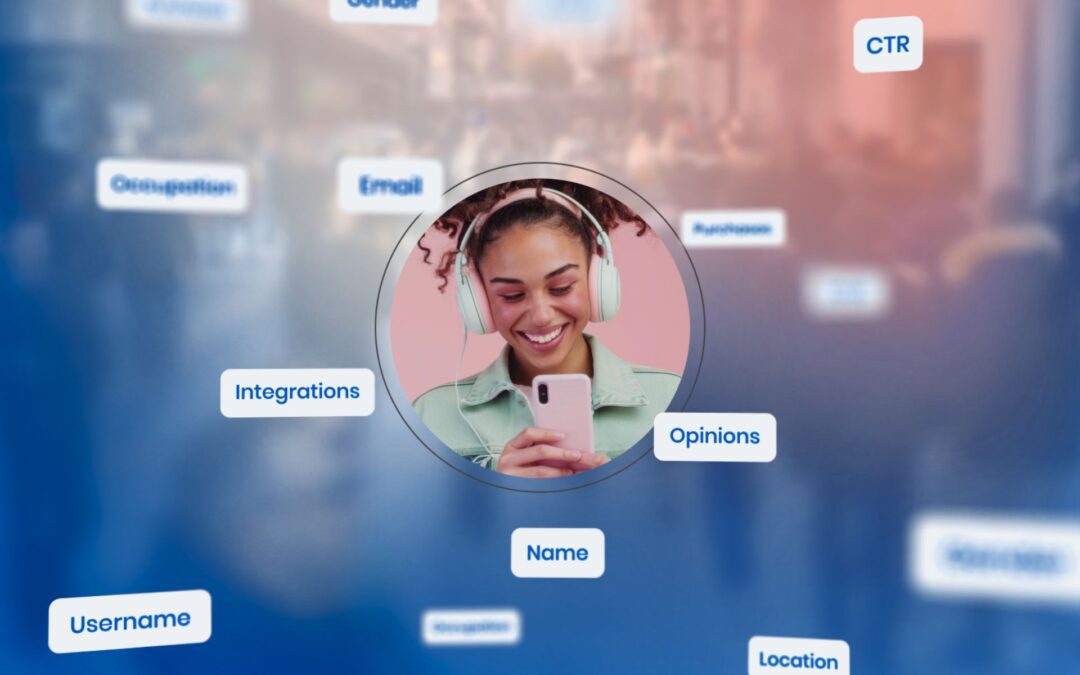
A CDP unifies customer data by ingesting signals from every touchpoint, including email, web, app, in-store, and CRM, and resolving them into a single persistent customer profile. Unlike siloed databases, a CDP updates these profiles in real time, so the lifecycle stage assigned to each customer always reflects their most recent behaviour.
In practice, this means a travel brand can see that a customer browsed three holiday packages yesterday, opened an email this morning, and abandoned a booking form an hour ago. All of that context sits in one profile, ready to trigger the next action automatically.
The key mechanisms a CDP uses to achieve this unification are:
- Identity resolution: Matching anonymous and known data points to the same individual across devices and channels.
- Real-time ingestion: Processing behavioural data as it happens rather than in overnight batch jobs.
- Intelligent modelling: Applying frameworks like RFM (Recency, Frequency, Monetary) to automatically score and segment customers by lifecycle position.
This is where a Customer Data Platform fundamentally changes what lifecycle marketing can do. Segments stop being static lists and become dynamic, self-updating audiences that reflect real customer behaviour.
Which lifecycle stages benefit most from CDP-driven segmentation?
Retention and win-back stages benefit most from CDP-driven segmentation because both depend on detecting subtle shifts in behaviour before it is too late to act. CDP segmentation also delivers strong results during activation, where speed to the second interaction is critical for long-term LTV.
Here is how each high-impact stage looks in practice:
- Activation: A CDP identifies customers who completed a first purchase but have not returned within the expected window, triggering a personalised nudge before the habit breaks.
- Retention: RFM scoring flags customers whose recency or frequency is declining, allowing you to intervene with a relevant offer or content piece before they churn.
- Win-back: CDP models can predict which lapsed customers have the highest probability of returning, so you spend budget on the right audience rather than blasting your entire dormant list.
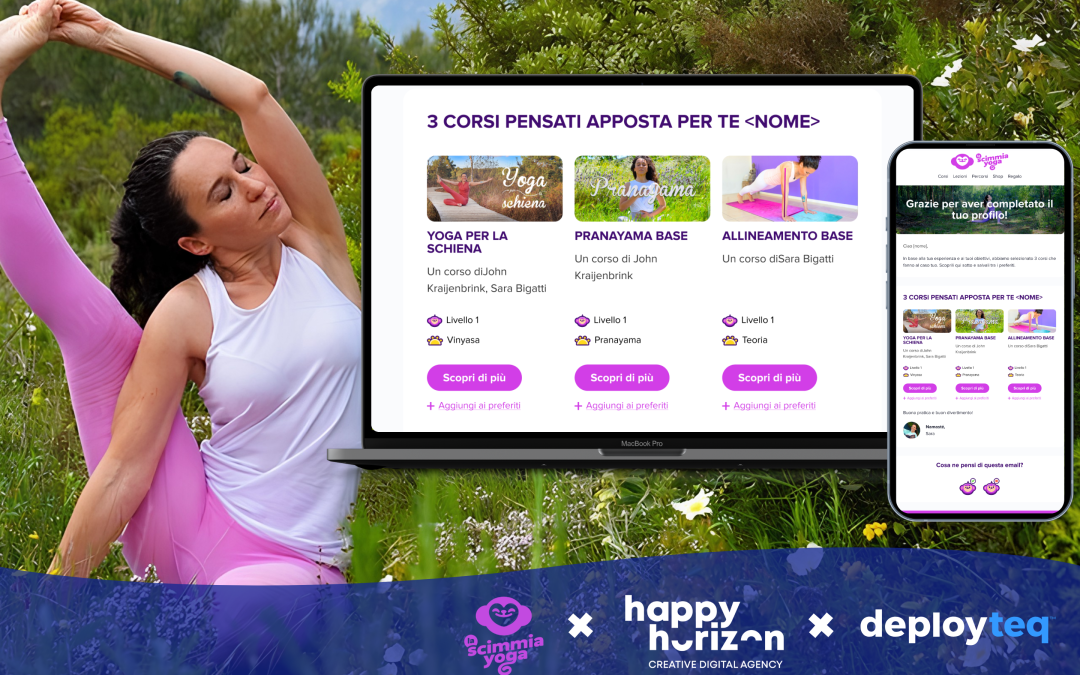
For entertainment and subscription brands running high-frequency engagement programmes, CDP segmentation also transforms the engagement stage. Instead of sending the same content to every active subscriber, you can serve next-best-offer recommendations based on what each individual has consumed or clicked previously.
How does a CDP enable personalisation at each customer touchpoint?
A CDP enables personalisation by making enriched customer profiles available to every channel in real time, so each touchpoint draws from the same source of truth. Whether a customer receives an email, a push notification, an SMS, or sees a personalised web experience, the content reflects their current lifecycle stage and recent behaviour.
Without a CDP, personalisation is often limited to what a single channel knows. An email platform might know open history, but it cannot see that the same customer just abandoned a basket on the website five minutes ago. A CDP closes that gap.
Practical personalisation capabilities unlocked by a CDP include:
- Dynamic content blocks that change based on a customer’s RFM score or product affinity.
- Next-best-offer modelling that surfaces the most relevant product or service for each individual at the moment of send.
- Predictive insights that anticipate when a customer is likely to buy, churn, or upgrade, so you reach them at the optimal moment.
- Cross-channel consistency, ensuring a customer does not receive a win-back email and a loyalty reward message on the same day.
For a finance brand, this could mean surfacing a relevant product upgrade to a customer who just completed a key account milestone. For a retailer, it means triggering a stock alert for a category the customer has browsed three times this week.
What’s the difference between a CDP and a CRM for lifecycle marketing?
The key distinction is that a CRM manages known customer relationships and sales interactions, while a CDP unifies behavioural and transactional data from all sources to build a real-time, actionable profile. A CRM tells you who your customer is. A CDP tells you what they are doing right now and what they are likely to do next.
What a CRM does well
CRMs are built for managing contact records, sales pipelines, and service interactions. They are strong at storing structured data about named individuals and tracking deliberate touchpoints like calls, deals, and support tickets. For B2B sales cycles or customer service workflows, a CRM is the right tool.
Where a CDP goes further
A CDP ingests anonymous behavioural data, resolves it to known profiles, and updates segments in real time. It is designed for high-volume B2C environments where customers interact across dozens of touchpoints before and after purchase. When you need to trigger a personalised email because a customer just spent eight minutes on a pricing page, a CRM alone cannot do that. A CDP can.
Many mature brands run both in parallel. The CRM holds the relationship record; the CDP powers the activation layer. Understanding the marketing automation stack you need at each stage of growth is what separates reactive campaigns from genuinely intelligent lifecycle programmes.
When should a brand upgrade to a CDP for lifecycle marketing?
A brand should upgrade to a CDP when customer data is fragmented across multiple platforms, personalisation is limited by what a single channel knows, and lifecycle campaigns rely on manually updated segments. If your team is spending time exporting lists rather than activating insights, that is the signal.
Specific triggers that indicate CDP readiness include:
- You are running campaigns across three or more channels and they are not drawing from the same customer data.
- Your retention campaigns use static segments that are updated weekly or monthly rather than in real time.
- You cannot identify at-risk customers until they have already churned.
- Your personalisation is limited to first-name tokens and basic product recommendations.
- You are migrating away from a simpler platform and need more sophisticated segmentation and journey logic.
In 2026, the gap between brands using unified data and those still working from siloed channel databases is widening. Competitors who can trigger a relevant message within minutes of a behavioural signal will consistently outperform those who cannot, regardless of creative quality or send volume.
How Deployteq helps with customer lifecycle marketing
We built our Customer Data Platform to solve exactly the challenges covered in this article. Our CDP unifies all customer data into intelligent profiles, giving your team a 360-degree single customer view that updates in real time. Here is what that means in practice:
- RFM modelling automatically scores and segments your customer base by lifecycle stage, so you always know who is at risk and who is ready to buy.
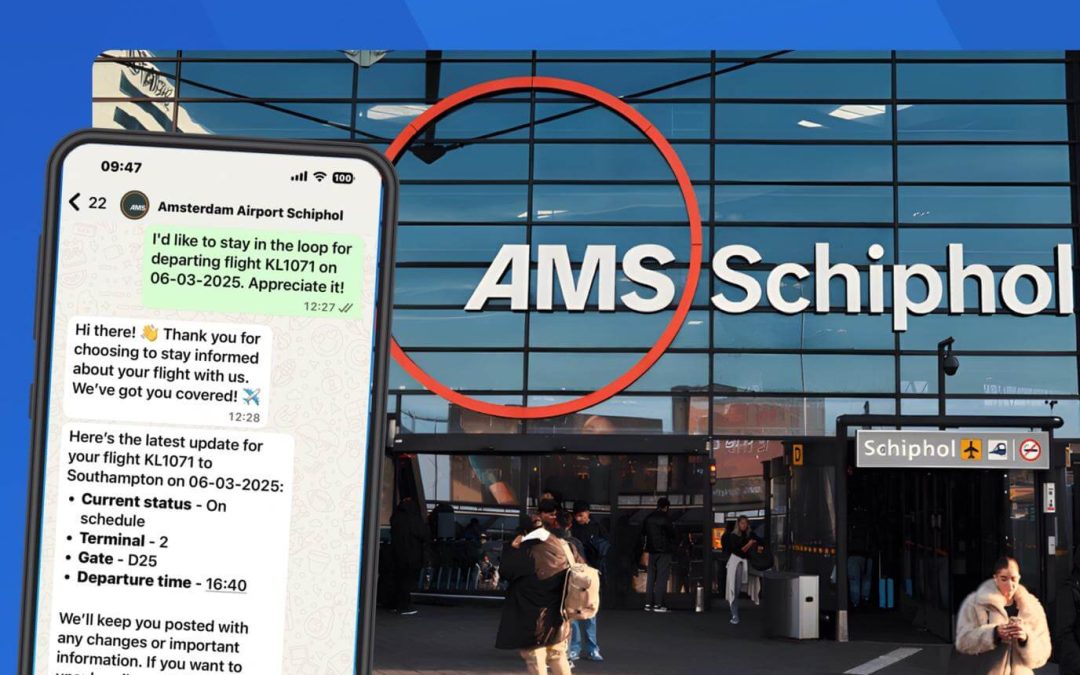
- Next-best-offer and predictive insights surface the most relevant message for each individual, across email, SMS, WhatsApp, push, and web.
- Seamless campaign activation means your CDP data flows directly into your campaigns without manual exports or data wrangling.
- Cross-channel consistency ensures every touchpoint draws from the same enriched profile, so your lifecycle journeys are coherent, not contradictory.
Whether you are scaling a retention programme for a retail brand or building a complex loyalty loop for a travel business, we give you the data and the activation tools in one place. Ready to see it in action? Book a personalised demo and we will show you exactly how it fits your lifecycle strategy.