A Customer Data Platform (CDP) and a Data Management Platform (DMP) are both data tools, but they serve fundamentally different purposes. A CDP builds persistent, identity-resolved profiles from first-party data to power personalised marketing. A DMP aggregates largely anonymous, third-party data to target audiences at scale, primarily for paid advertising. Understanding which one you need depends on your data strategy and the channels you want to activate.
For marketers managing complex customer lifecycles across email, SMS, and web, the distinction matters more than ever in 2026. This article unpacks the key differences across data storage, collection, use cases, and how the two platforms can complement each other.
How does a CDP store and use customer data differently from a DMP?
A CDP stores persistent, first-party customer profiles that are linked to real, identifiable individuals. It continuously builds and updates a unified record for each customer, connecting data from every touchpoint into a single view. A DMP, by contrast, stores anonymous audience segments built from cookies, device IDs, and third-party data sources, with a much shorter data retention window, typically 30 to 90 days.
This structural difference shapes everything downstream. Because a real-time customer data platform holds persistent profiles, it can power triggers based on a customer’s full history, not just their last session. A retail brand can fire a personalised email the moment a loyalty customer’s purchase frequency drops, because the CDP has tracked that pattern over months. A DMP cannot do this. Its data is designed for reach, not depth.
DMPs also rely heavily on third-party cookies, a data source that has been progressively eroded by browser restrictions and privacy legislation. CDPs, built on consented first-party data, are structurally better positioned for a privacy-first environment.
What kind of data does each platform actually collect?
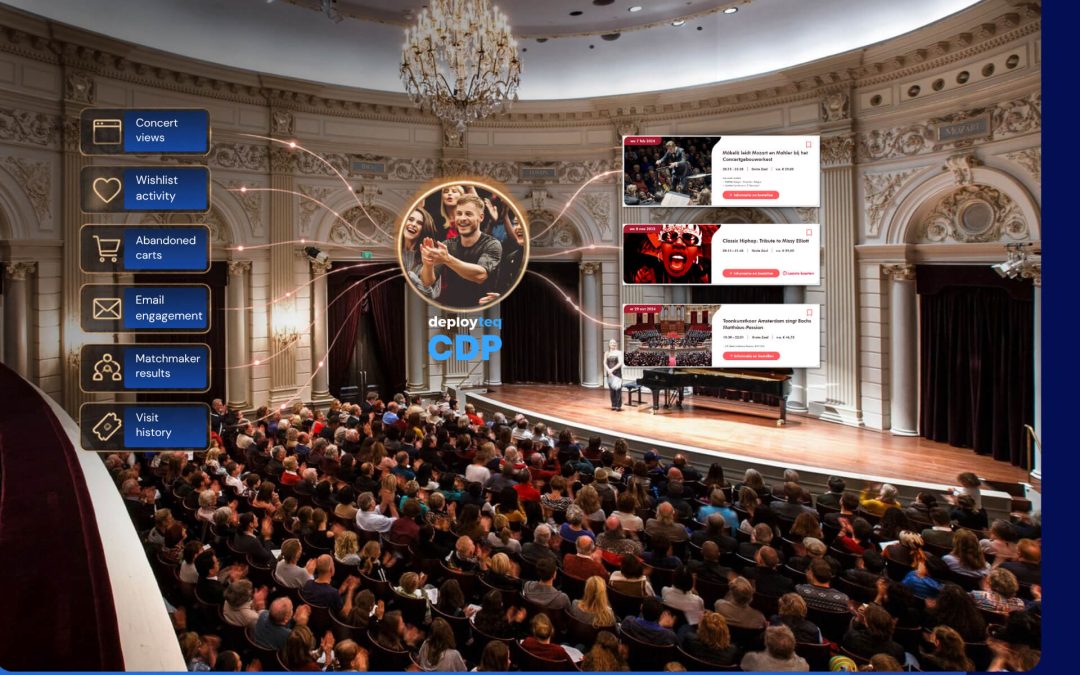
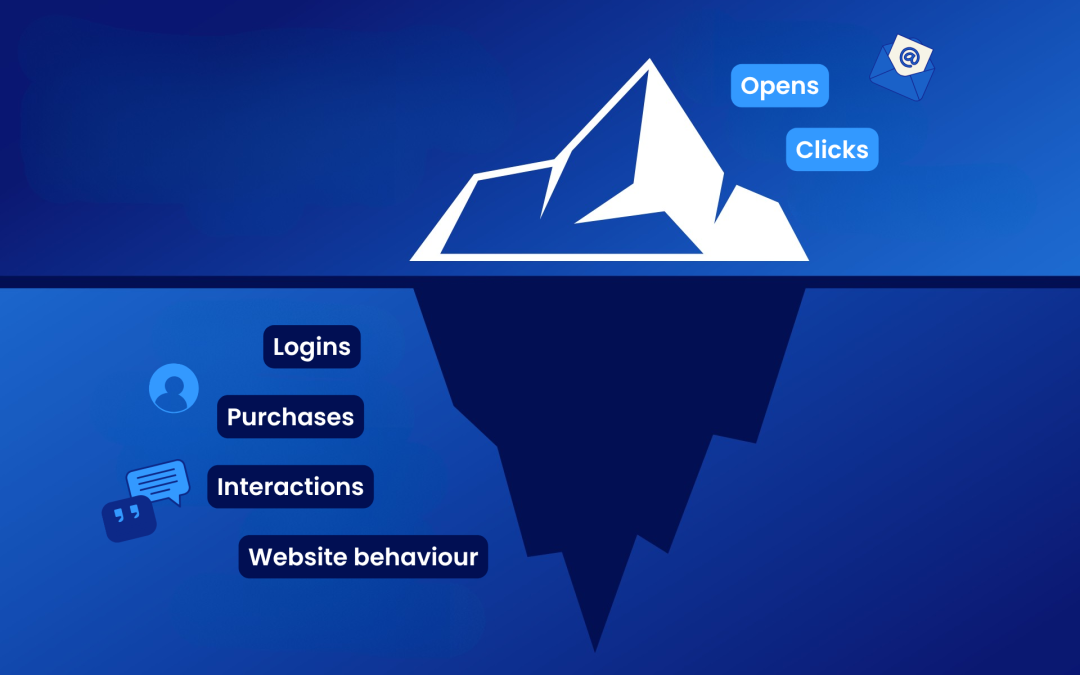
A CDP platform collects first-party data: everything a customer shares directly or generates through their interactions with your brand. This includes transactional data, behavioural data from your website and app, email engagement, CRM records, loyalty programme activity, and customer service history. All of this is tied to a known individual and enriched over time.
A DMP collects second and third-party data: anonymous browsing behaviour, demographic inferences, purchase intent signals sourced from data brokers, and aggregated audience segments. It excels at building broad audience profiles for display advertising, where individual identity is less important than segment-level targeting.
The practical implication is straightforward. If you want to know that this specific customer browsed three holiday packages, abandoned a booking, and opened your last two emails, you need a CDP. If you want to reach people who broadly match a travel enthusiast profile across the open web, a DMP is the right tool.
Which marketing use cases suit a CDP versus a DMP?
CDPs are built for personalised, cross-channel lifecycle marketing. They power use cases like triggered email flows based on real-time behaviour, next-best-offer modelling, RFM segmentation, and re-engagement campaigns tied to a customer’s actual purchase history. Any use case that requires knowing who a customer is and what they have done belongs in a CDP.
DMPs are built for paid media and audience extension. They are best suited for programmatic display advertising, lookalike audience creation, and retargeting campaigns where you are reaching users who have not yet identified themselves to your brand. A finance brand launching a new product to a cold audience, for example, might use a DMP to find users who match the profile of their best existing customers.
- CDP use cases: Personalised email and SMS journeys, cart abandonment triggers, loyalty programme automation, predictive churn modelling, and real-time customer segmentation
- DMP use cases: Programmatic display campaigns, lookalike audience targeting, third-party data enrichment, and brand awareness at scale
For CRM and email marketers, the CDP is almost always the primary tool. The DMP sits closer to the paid media team’s workflow.
Can a CDP and a DMP work together?
Yes, and for many larger organisations, using both platforms together is a deliberate strategy. A CDP and a DMP are complementary rather than competing. The CDP manages your known customer base with depth and precision. The DMP extends your reach to anonymous audiences and helps you find new prospects who resemble your best customers.
A common integration pattern looks like this: your CDP identifies your highest-value customer segment using RFM scoring, then exports that segment to a DMP or ad platform to build a lookalike audience for prospecting. Once those new users convert and share their data, they flow back into the CDP and enter your personalised lifecycle programmes via your marketing automation platform.
This loop, from anonymous prospect to known customer to loyal advocate, is where the two platforms create genuine value together. The key is ensuring your CDP is the system of record for all known customer data, with the DMP operating as an outbound reach tool rather than a source of truth.
Should you choose a CDP or a DMP for your marketing stack?
For most B2C marketing teams focused on retention, personalisation, and cross-channel engagement, a CDP is the higher-priority investment. If your primary challenge is activating first-party data, reducing churn, and delivering relevant experiences across email, SMS, and web, a CDP directly solves that problem. A DMP does not.
Choose a DMP if your primary goal is paid media reach and you have a mature first-party data strategy already in place. If you are still building your customer data foundation, adding a DMP before a CDP is working in the wrong order.
A few questions to guide your decision:
- Is your core challenge activating known customer data or reaching new, anonymous audiences?
- Do you need persistent customer profiles to power lifecycle campaigns, or short-term audience segments for ad targeting?
- Are you operating in a privacy-sensitive environment where reliance on third-party cookies is a risk?
- Does your team manage email and owned channel marketing as a primary revenue driver?
If your answers point toward owned channels, first-party data, and personalised customer journeys, a CDP is the right foundation to build on.
How Deployteq helps you activate your customer data
We built our Customer Data Platform specifically for B2C marketers who need to move from fragmented data to real, actionable customer profiles, without a six-month implementation project.
Here is what our CDP delivers directly within your marketing campaigns:
- 360-degree single customer view that unifies all your data sources into one intelligent profile per customer
- Intelligent modelling including RFM scoring, next-best-offer, and predictive lifecycle insights built in
- Direct campaign activation across email, SMS, WhatsApp, push, and web, with no data export required
- Hyper-personalised segmentation that updates in real time as customer behaviour changes
- Visual profile builder that connects the dots across your customer’s full lifecycle
Whether you are a retail brand looking to reduce churn, a travel operator building loyalty loops, or a finance team managing complex customer lifecycles, our platform gives you the data you can actually use. Explore our Customer Data Platform or book a demo to see it in action.