A customer data platform helps with customer lifecycle marketing by unifying all customer data into a single profile, enabling precise segmentation and personalised communication at every stage of the customer journey. Rather than relying on fragmented data across disconnected tools, a CDP gives marketers a real-time, 360-degree view of each customer so they can trigger the right message at exactly the right moment.
For B2C marketers managing high-volume customer bases across multiple channels, this kind of data clarity is what separates reactive campaigns from genuinely strategic lifecycle programmes. Below, we answer the most common questions about how a CDP supports lifecycle marketing from acquisition through to win-back.
What are the stages of customer lifecycle marketing?
Customer lifecycle marketing covers five core stages: acquisition, onboarding, engagement, retention, and win-back. Each stage represents a distinct relationship between your brand and the customer, requiring different messaging, timing, and data signals to be effective.
Here is a quick breakdown of what each stage involves:
- Acquisition: Attracting new prospects and converting them into first-time customers or subscribers.
- Onboarding: Welcoming new customers, setting expectations, and driving that critical first purchase or engagement.
- Engagement: Keeping active customers interested through relevant content, offers, and cross-sell opportunities.
- Retention: Identifying customers at risk of churning and acting before they disengage.
- Win-back: Re-engaging lapsed customers who have stopped interacting with your brand.
The challenge is that most marketers are working with data spread across email platforms, CRM systems, web analytics tools, and point-of-sale systems. Without a unified view, it is nearly impossible to know which stage each customer is actually in, let alone respond intelligently to it.
How does a CDP unify customer data across channels?
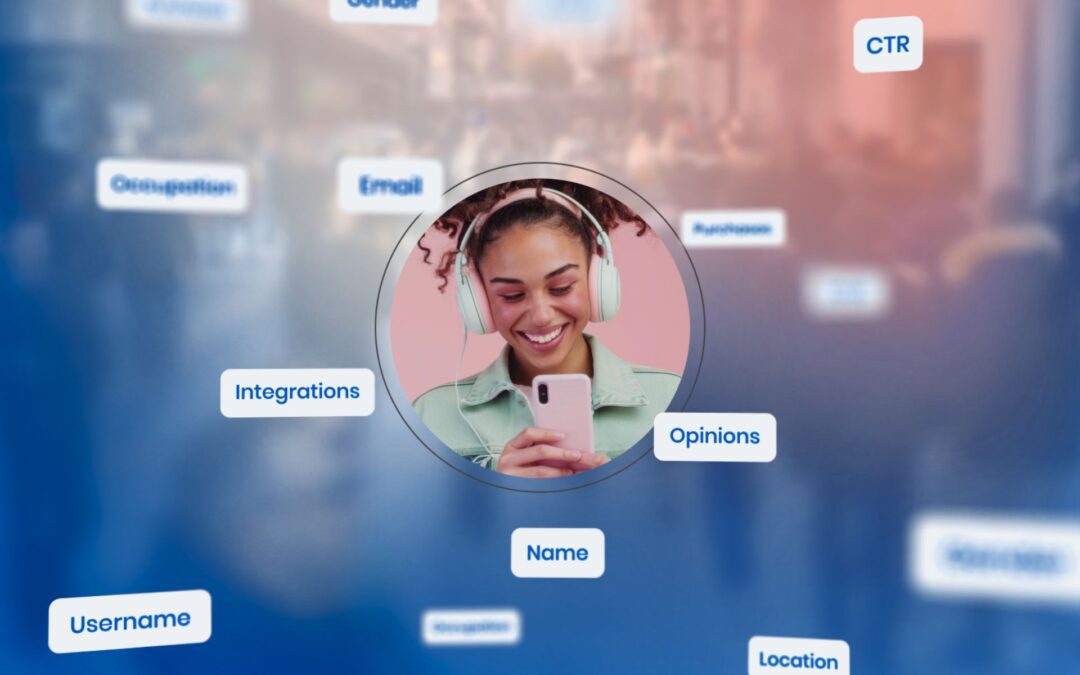
A customer data platform unifies data by ingesting information from every touchpoint, including email, web, app, in-store, and social, and stitching it together into a single customer profile. This process, often called identity resolution, links interactions across devices and channels to one individual rather than treating each touchpoint as a separate, anonymous event.
Where traditional data warehouses store data passively, a CDP makes that data actionable. Profiles update in real time as new interactions occur, which means your segments and triggers stay accurate without manual intervention.
For a retail brand, this means a customer browsing trainers on your app, opening an email about a sale, and then purchasing in-store all feeds into one coherent profile. Your next communication reflects the full picture, not just the last click.
This unified foundation is what makes lifecycle-driven personalisation possible at scale. Without it, even the best campaign strategy falls flat because the data it relies on is incomplete.
How can a CDP improve segmentation at each lifecycle stage?
A CDP improves segmentation by combining behavioural, transactional, and demographic data into dynamic, real-time segments that automatically update as customer behaviour changes. Instead of static lists built on a single data point, you get segments that reflect where each customer actually is in their journey right now.
Practically, this looks different at each stage:
- Acquisition: Identify high-intent prospects based on web behaviour and lookalike modelling.
- Onboarding: Segment new customers by acquisition source or first product category to tailor the welcome experience.
- Engagement: Build RFM (Recency, Frequency, Monetary) segments to identify your most valuable active customers and treat them accordingly.
- Retention: Flag customers whose purchase frequency is dropping before they fully disengage.
- Win-back: Segment lapsed customers by how long they have been inactive and what they previously purchased to craft relevant re-engagement offers.
The key difference from standard email platform segmentation is the data depth. A CDP draws on the full customer record, not just email engagement metrics, giving you far more nuanced criteria to work with.
What types of personalisation does a CDP enable?
A CDP enables personalisation at the individual level, including next-best-offer recommendations, predictive content, and real-time behavioural triggers based on a complete view of each customer. This goes well beyond first-name personalisation or basic product recommendations.
With a robust CDP, marketers can activate:
- Predictive personalisation: Using models like next-best-offer to recommend products or content a customer is statistically likely to engage with next.
- Lifecycle-aware messaging: Automatically adjusting tone, offer type, and channel based on where a customer sits in their journey.
- Cross-channel consistency: Ensuring a customer sees a coherent experience whether they are receiving an email, an SMS, a push notification, or landing on your website.
- Event-triggered communications: Sending messages based on specific customer actions, such as a lapse in purchases, a browsed-but-not-bought product, or a loyalty milestone.
For a travel brand, this might mean surfacing a flight deal to a destination a customer browsed three weeks ago, timed to when they historically tend to book. That level of relevance is only possible when your data is unified and your marketing automation is connected to it.
How does a CDP help with customer retention and win-back?
A CDP helps with retention and win-back by identifying at-risk and lapsed customers early, using behavioural signals and predictive modelling to trigger timely, relevant interventions before churn becomes irreversible. The earlier you act, the higher the chance of keeping a customer engaged.
For retention, a CDP monitors signals like declining purchase frequency, reduced email engagement, or a drop in app usage. When a customer crosses a defined threshold, an automated journey can trigger a personalised retention offer, a loyalty reward, or a simple check-in message, without a marketer having to manually review lists.
For win-back, the approach shifts. Lapsed customers need a reason to re-engage, and generic “we miss you” emails rarely cut through. A CDP enables you to segment lapsed customers by their previous purchase history, LTV, and the length of their lapse, then build tailored win-back sequences that speak to what they actually bought or cared about.
The combination of predictive insights and real-time data means your retention and win-back programmes are always working in the background, not just activated when someone notices a problem.
What’s the difference between a CDP and a CRM for lifecycle marketing?
The key difference is that a CRM manages relationships and sales interactions, while a CDP unifies behavioural and transactional data from every channel to power real-time marketing activation. A CRM tells you who your customer is; a CDP tells you what they are doing right now and what they are likely to do next.
In practice:
- A CRM is built around contact records, pipeline stages, and sales team workflows. It is excellent for managing B2B accounts or service interactions.
- A CDP is built around real-time data ingestion, identity resolution, and marketing activation. It is designed for high-volume B2C environments where customer behaviour changes quickly and campaigns need to respond instantly.
For lifecycle marketing specifically, a CRM alone is rarely sufficient. It typically lacks the real-time behavioural data, cross-channel tracking, and predictive modelling that make lifecycle programmes genuinely effective. A CDP fills that gap, and in many cases, the two tools work best together, with the CRM handling customer service and account management while the CDP powers the marketing layer.
If your current stack relies on a CRM or a basic email marketing platform for lifecycle segmentation, you are likely working with an incomplete picture of your customers.
How Deployteq helps with customer lifecycle marketing
We built our Customer Data Platform specifically to close the gap between raw customer data and meaningful lifecycle marketing. Here is what that looks like in practice:
- Unified customer profiles: All data from email, SMS, web, app, and in-store interactions is consolidated into a single, real-time customer view.
- Intelligent modelling: Built-in RFM analysis, next-best-offer recommendations, and predictive insights help you act on data, not just collect it.
- Direct campaign activation: Segments and insights connect directly to campaigns across email, SMS, WhatsApp, push, and web without needing to export data or involve a separate tool.
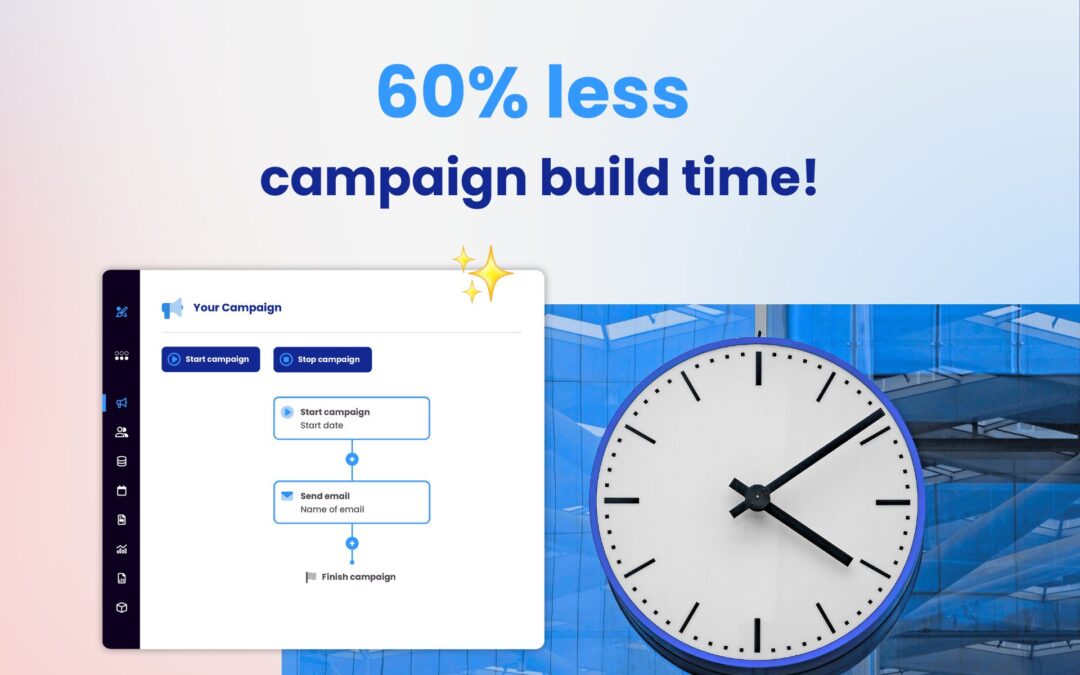
- Lifecycle-ready journeys: Our journey builder lets you design and automate communications for every lifecycle stage, from onboarding sequences to win-back flows.
- 360-degree customer view: Visually connect the dots across all touchpoints to understand exactly where each customer is in their journey.
Whether you are managing a retail loyalty programme, a travel booking lifecycle, or a financial services customer base, our customer data platform gives you the data clarity and activation tools to run lifecycle marketing that actually moves the needle. Ready to see it in action? Book a demo and we will walk you through it.
Related Articles
- How do you choose the right CDP platform for your business?
- 5 data unification steps that lead to better customer journeys
- What are the warning signs of over-automation in marketing?
- Should marketing automation include sentiment analysis triggers?
- How do you automate cross-sell campaigns effectively?
This content was generated with the help of AI — it may contain mistakes