Yes, a customer data platform can meaningfully improve your email marketing results. By unifying fragmented customer data into a single, actionable profile, a CDP gives your email campaigns the depth of insight they need to move beyond batch-and-blast and into genuinely personalised, timely communication. The impact shows up in open rates, click-through rates, and ultimately, revenue. Below, we unpack exactly how that works across segmentation, personalisation, and the metrics that matter most.
What does a CDP actually do for email campaigns?
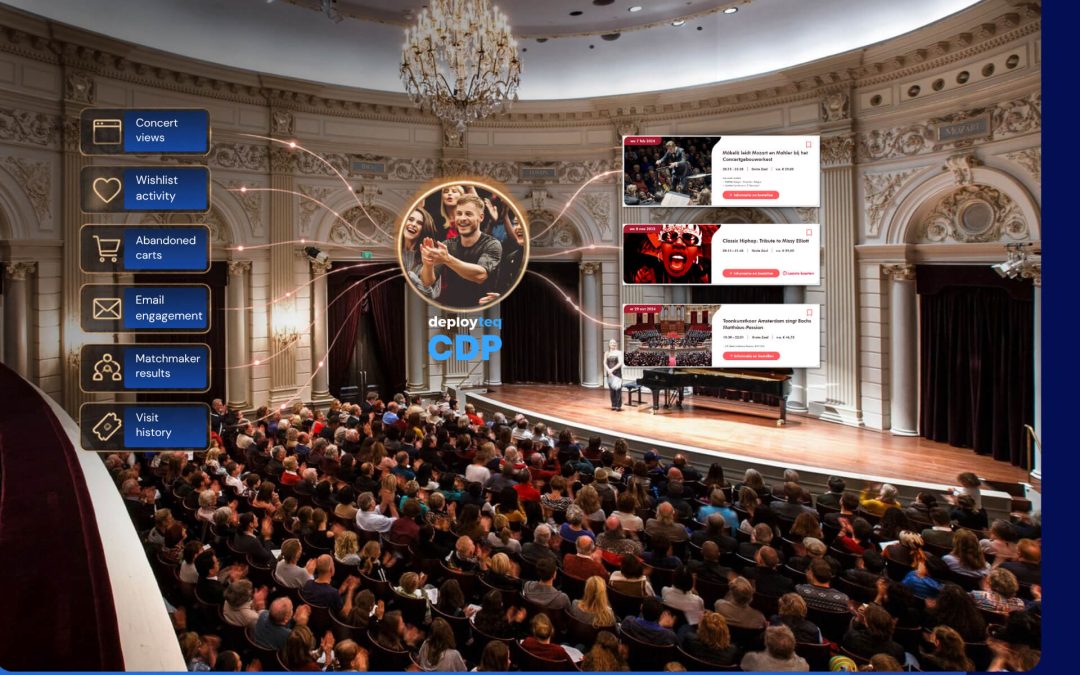
A customer data platform collects, unifies, and activates data from every touchpoint a customer has with your brand, combining it into a single customer profile that your email campaigns can act on in real time. Instead of working from a static export or a siloed CRM list, your email platform draws on live behavioural, transactional, and demographic data to trigger the right message at the right moment.
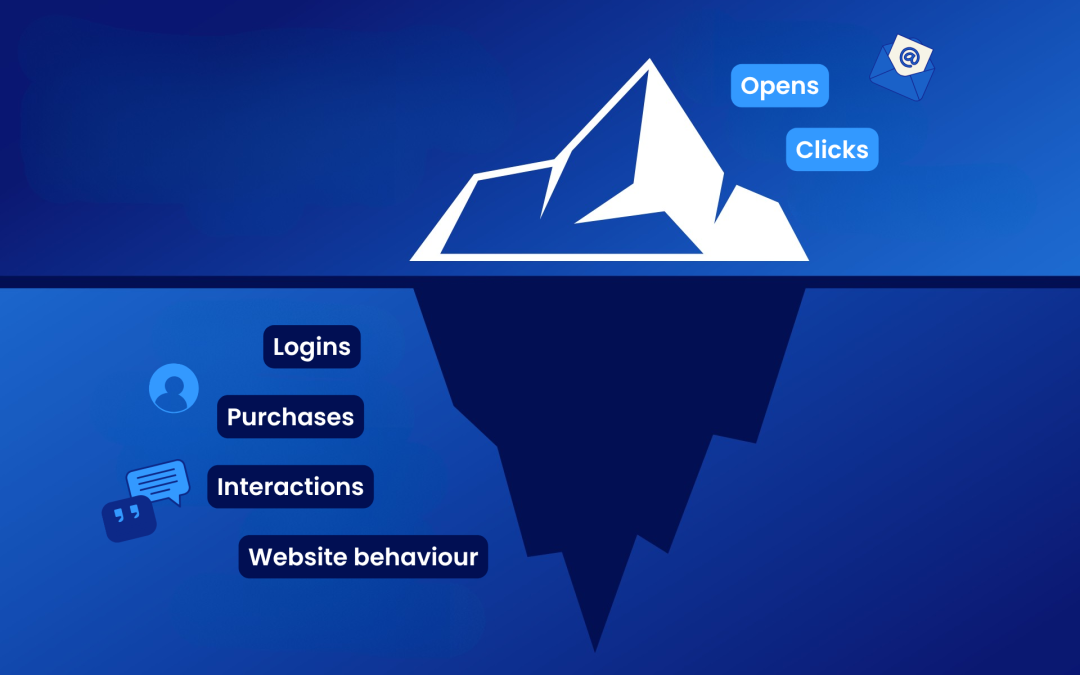
For email specifically, this means your campaigns are no longer limited by what your email platform knows. A CDP bridges the gap between your website behaviour, purchase history, loyalty data, and app interactions, feeding that intelligence directly into your email logic. A customer who browsed a holiday package twice this week but did not book gets a different email from one who just made their third purchase this month. That level of contextual accuracy is what a CDP enables.
The result is a shift from volume-driven email to value-driven email. Fewer irrelevant sends, higher engagement, and a much cleaner sender reputation over time.
How does a CDP improve email segmentation?
A CDP improves email segmentation by making it dynamic, multi-dimensional, and based on real-time data rather than manually maintained lists. Instead of segmenting by a single attribute like purchase date or location, you can build segments that combine behavioural signals, lifecycle stage, predicted intent, and channel preference simultaneously.
Traditional segmentation relies on what you know at the point of export. A CDP updates continuously. If a customer’s behaviour changes, their segment membership changes with it. That means a lapsed customer who suddenly re-engages on your site can automatically re-enter an active nurture flow without anyone manually moving them.
Intelligent modelling makes this even more powerful. Frameworks like RFM (Recency, Frequency, Monetary value) let you identify your highest-value customers, your at-risk loyalists, and your one-time buyers with precision. You can then build email programmes specifically designed for each group, rather than sending one campaign to all of them and hoping for the best.
For retail and e-commerce teams in particular, this kind of smart email segmentation is the difference between a campaign that converts and one that drives unsubscribes.
Can a CDP help with email personalisation at scale?
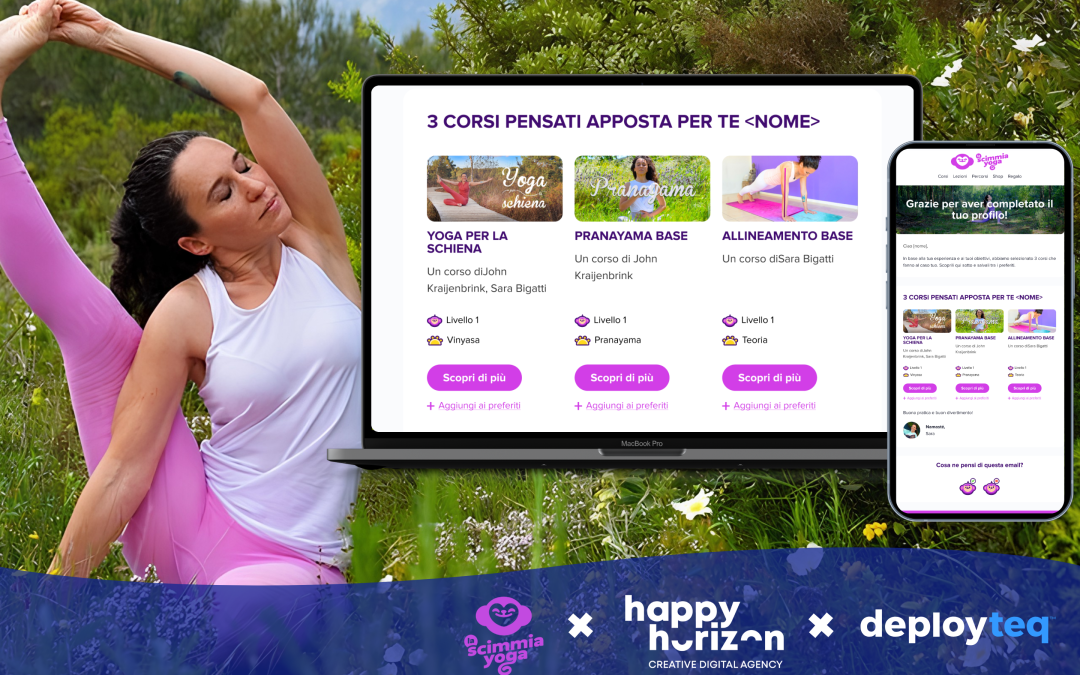
Yes. A CDP is one of the most effective tools for achieving true email personalisation at scale, because it gives every individual profile enough depth to make personalisation decisions automatically, without manual intervention. The platform uses unified data to determine what content, offer, or message is most relevant for each recipient at the moment of send.
Scale is where most personalisation efforts break down. Manually personalising emails works for a handful of segments. A CDP removes that ceiling by automating the logic. Next-best-offer modelling, for example, analyses purchase history and browsing behaviour to predict what a customer is most likely to respond to next. That prediction becomes the content of the email, without a marketer having to configure it for each individual.
For a travel brand, this could mean automatically surfacing a destination a customer researched three times but never booked, paired with a relevant departure date window. For a financial services brand, it might mean sending a timely product alert based on a customer’s recent account activity. The personalisation feels human, but the process is entirely automated.
What’s the difference between a CDP and a standard email platform?
The key distinction is that a standard email platform manages the sending of email, while a CDP manages the data that informs what gets sent, to whom, and when. An email platform is an execution tool. A CDP is an intelligence layer that sits above it, or integrates directly with it, to make every send smarter.
Standard email platforms hold subscriber lists, manage templates, and track open and click data. They work well within their own data. The limitation is that they only know what has been imported into them, and that data is often incomplete, outdated, or disconnected from other systems.
A CDP ingests data from your entire stack, including your website, app, CRM, POS, loyalty programme, and more, and resolves it into unified profiles. Those profiles power your email logic in real time. When the two work together, your email platform gains the contextual intelligence it was missing. You can learn more about how this integration works by exploring what a CDP delivers in practice.
Which email metrics typically improve after adding a CDP?
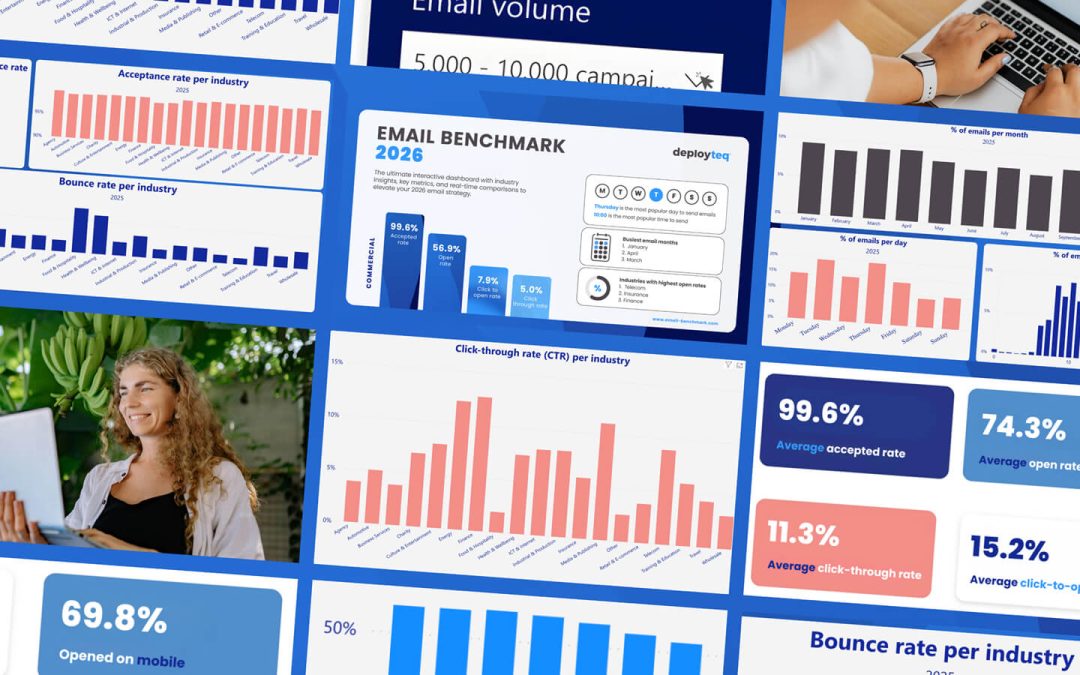
The email metrics that most consistently improve after adding a CDP are open rates, click-through rates, conversion rates, and list health indicators like unsubscribe rates and spam complaints. These improvements stem from more relevant sends, better timing, and more accurate audience targeting.
- Open rates improve because subject lines and send times can be matched to individual preferences and behaviour patterns.
- Click-through rates rise when the content inside the email reflects what the recipient actually cares about, rather than a generic promotional message.
- Conversion rates increase when personalisation extends beyond the email itself to a consistent experience on the landing page or website.
- Unsubscribe rates tend to fall when customers receive fewer irrelevant emails and more messages that feel timely and useful.
- Revenue per email grows as next-best-offer logic and lifecycle-stage targeting ensure the right product or service is presented at the right moment.
Across high-frequency sectors like retail, entertainment, and travel, these gains compound quickly. Sending smarter rather than more often is a well-established principle in marketing automation, and a CDP is what makes it operationally achievable.
When should a brand consider adding a CDP to their email stack?
A brand should consider adding a CDP when their email performance has plateaued despite solid creative and consistent sending, or when they are sitting on rich customer data that their email platform cannot access or act on. If your team is manually building segments from spreadsheet exports or struggling to trigger emails based on real-time behaviour, a CDP directly addresses those constraints.
Other clear signals include:
- Customer data living in multiple disconnected systems with no unified view
- Personalisation limited to first name and last purchase date
- Inability to suppress or re-engage customers based on cross-channel behaviour
- Growing list size but declining engagement rates
- Pressure to demonstrate ROI from email at a more granular level
Brands that have outgrown a simpler email tool and are managing complex customer lifecycles across multiple channels will see the clearest return from a CDP investment. The more data you have, and the more channels you operate across, the more value a unified data layer adds.
How Deployteq’s CDP strengthens your email marketing
We built our Customer Data Platform to sit natively inside the Deployteq platform, which means there is no data lag, no complex integration project, and no gap between insight and activation. Every profile we build feeds directly into your email campaigns, journeys, and triggers without leaving the platform.
Here is what that looks like in practice:
- 360-degree single customer view that visually connects all touchpoints into one unified profile
- Intelligent modelling including RFM, next-best-offer, and full lifecycle insights, built in and ready to use
- Predictive segmentation that updates in real time as customer behaviour changes
- Native activation across email, SMS, WhatsApp, push, and web without switching tools
- Hyper-personalised campaigns that respond to where each customer is in their lifecycle, not just what list they are on
If your email results have hit a ceiling, the data layer is usually where the answer lies. Book a demo and we will show you exactly what your customer data can do when it is finally working together.