Re-engage inactive customers with win-back email campaigns by identifying dormant subscribers who haven’t engaged in 60-90 days, then sending targeted sequences that offer compelling incentives, personalized content, or exclusive access to draw them back. These campaigns typically achieve 10-15% reactivation rates when properly segmented and executed with clear value propositions.
Customer reactivation requires strategic timing, relevant messaging, and an understanding of why subscribers became inactive in the first place. The most effective win-back strategies combine behavioral triggers with personalized offers that address specific customer needs and preferences.
When should you start a win-back email campaign?
Start win-back email campaigns when customers haven’t engaged with your emails for 60-90 days, depending on your typical purchase cycle and engagement patterns. For high-frequency brands like daily deal sites, 30-45 days of inactivity signals the need for reactivation, while luxury or seasonal brands might wait 120-180 days before triggering win-back sequences.
The optimal timing depends on your customer lifecycle data. Analyze your engagement patterns to identify when active customers typically drop off. Look for the point where the probability of engagement drops significantly but hasn’t reached zero. This sweet spot maximizes your chances of successful reactivation while avoiding premature campaign triggers.
Consider these timing factors when setting up your win-back triggers:
- Purchase frequency patterns in your customer base
- Seasonal buying behaviors specific to your industry
- Email engagement decay curves from your historical data
- Competitor communication frequency in your market
What makes inactive customers stop engaging with emails?
Customers stop engaging with emails primarily due to irrelevant content, overwhelming send frequency, or significant life changes that shift their priorities and needs. Poor personalization and generic messaging cause 43% of subscribers to lose interest, while excessive email volume drives another 35% to mentally unsubscribe without formally opting out.
Email fatigue develops when brands fail to adapt their messaging to evolving customer preferences. Subscribers who initially engaged with promotional content might shift toward educational content preferences, or customers who made large purchases might need different messaging cadences during their consideration periods.
Common engagement killers include:
- Sending identical content to all segments regardless of behavior
- Ignoring purchase history when crafting product recommendations
- Maintaining the same send frequency for all lifecycle stages
- Using outdated customer data that no longer reflects current interests
- Failing to acknowledge customer feedback or preferences
Understanding these disengagement drivers helps you craft more effective win-back messages that directly address why customers stopped paying attention in the first place.
How do you segment inactive customers for targeted campaigns?
Segment inactive customers by combining recency of last engagement, purchase behavior, and original acquisition source to create targeted reactivation campaigns. The most effective approach uses RFM analysis (Recency, Frequency, Monetary) to identify high-value dormant customers who warrant personalized win-back efforts versus low-engagement subscribers who need different messaging approaches.
Start with behavioral segmentation based on engagement patterns. Separate customers who stopped opening emails from those who open but don’t click, as each group requires different reactivation strategies. Recent purchasers who stopped engaging need different messaging than long-term customers who gradually decreased activity.
Create these core inactive customer segments:
- High-value dormant: Previously engaged customers with significant purchase history
- Recent dropoffs: Customers who engaged regularly but stopped within the last 30-60 days
- Seasonal inactives: Customers whose engagement aligns with specific times of year
- One-time buyers: Customers who purchased once but never engaged with follow-up communications
- Email-only engagers: Customers who open emails but don’t visit your website or make purchases
Layer demographic and psychographic data when available. Age, location, and original campaign source provide additional context for crafting relevant win-back messages that resonate with specific customer groups.
What should you offer in a win-back email campaign?
Offer compelling value that directly addresses why customers became inactive, typically including exclusive discounts, early access to new products, or personalized product recommendations based on past behavior. The most successful win-back offers provide 15-25% discounts or equivalent value, combined with messaging that acknowledges the relationship gap and demonstrates renewed commitment to customer value.
Avoid generic “we miss you” messaging without substance. Instead, focus on concrete benefits that give customers clear reasons to re-engage. Marketing automation helps you personalize these offers based on individual customer data and preferences.
Discount and Incentive Strategies
Structure your offers to feel exclusive rather than desperate. Limited-time offers create urgency, while tiered discounts reward different levels of re-engagement. Consider offering progressively better deals in your sequence if initial offers don’t generate a response.
Value-Added Content Approaches
Beyond discounts, provide educational content, insider tips, or exclusive access to new features. For B2C brands, this might include styling guides, recipes, or how-to content that delivers immediate value regardless of purchase decisions.
Effective win-back offers include:
- Personalized product recommendations based on browsing history
- Exclusive early access to sales or new product launches
- Free shipping or upgraded service levels for returning customers
- Educational content series relevant to past purchase categories
- Loyalty program bonus points or tier upgrades
How many emails should be in a win-back sequence?
Send 3-5 emails in a win-back sequence spaced 7-14 days apart, starting with a soft re-engagement message and escalating to stronger incentives if needed. Most successful reactivation happens within the first two emails, but the full sequence allows you to test different value propositions and messaging approaches before considering final list cleanup.
The sequence length depends on your customer value and typical sales cycle. High-value customers warrant longer sequences with more personalized touches, while lower-engagement segments might only justify 2-3 emails before moving to suppression lists.
Structure your sequence with escalating urgency and value:
- Email 1: Soft re-engagement with personalized content and a modest offer
- Email 2: Stronger incentive with social proof or scarcity elements
- Email 3: Best offer with a clear deadline and easy action steps
- Email 4: Final chance messaging with alternative engagement options
- Email 5: Preference center or unsubscribe option with a feedback request
Monitor response rates at each step to optimize sequence length for your audience. Some segments might respond better to shorter, more aggressive sequences, while others need longer nurturing approaches.
How do you measure win-back campaign success?
Measure win-back campaign success through reactivation rate (percentage of inactive subscribers who re-engage), revenue per reactivated customer, and long-term retention of win-back responders. A successful campaign typically achieves 10-15% reactivation rates, with reactivated customers generating 60-80% of their previous customer lifetime value over the following six months.
Track both immediate and long-term metrics to understand true campaign impact. Immediate metrics show campaign effectiveness, while long-term tracking reveals whether reactivated customers maintain engagement or quickly become inactive again.
Key performance indicators include:
- Reactivation rate: Percentage of targeted inactive customers who engage with win-back emails
- Conversion rate: Percentage of reactivated customers who make purchases
- Revenue per email: Total campaign revenue divided by emails sent
- List hygiene improvement: Reduction in inactive subscriber percentage
- Long-term retention: Six-month engagement rates for reactivated customers
Compare win-back campaign performance to your regular email campaigns to understand relative effectiveness. Customer data platforms help track these metrics across multiple touchpoints and provide comprehensive campaign attribution.
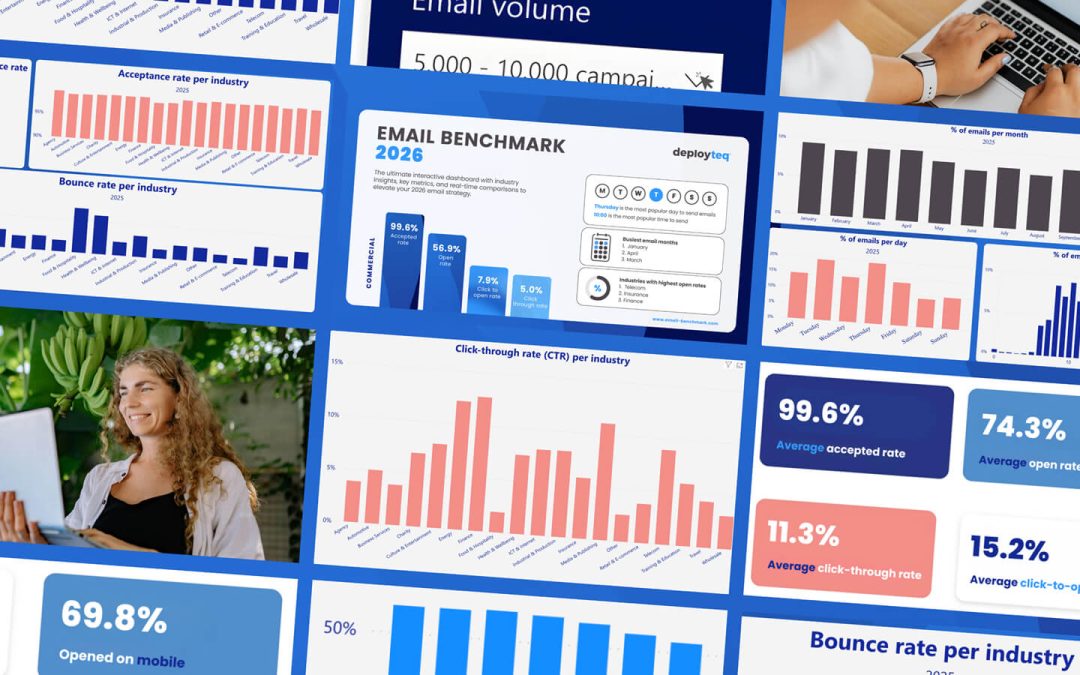
Set benchmark goals based on your industry and customer base. E-commerce brands typically see higher reactivation rates than B2B companies, while luxury brands might have lower reactivation rates but higher revenue per reactivated customer.
How Deployteq helps with customer reactivation campaigns
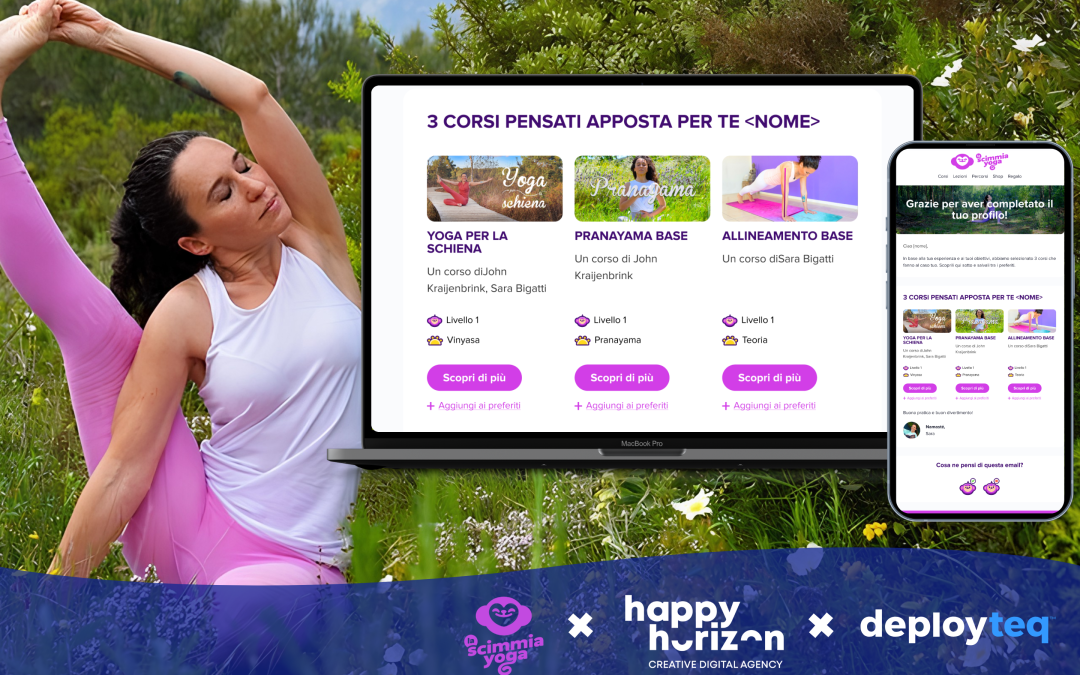
Deployteq’s email marketing platform streamlines win-back campaigns through intelligent customer segmentation, automated trigger sequences, and real-time performance tracking across all communication channels. Our advanced segmentation capabilities identify inactive customers based on multiple behavioral signals, while our journey builder creates personalized reactivation sequences that adapt based on customer responses.
Key features for successful win-back campaigns include:
- RFM modeling and predictive analytics to identify high-value inactive customers
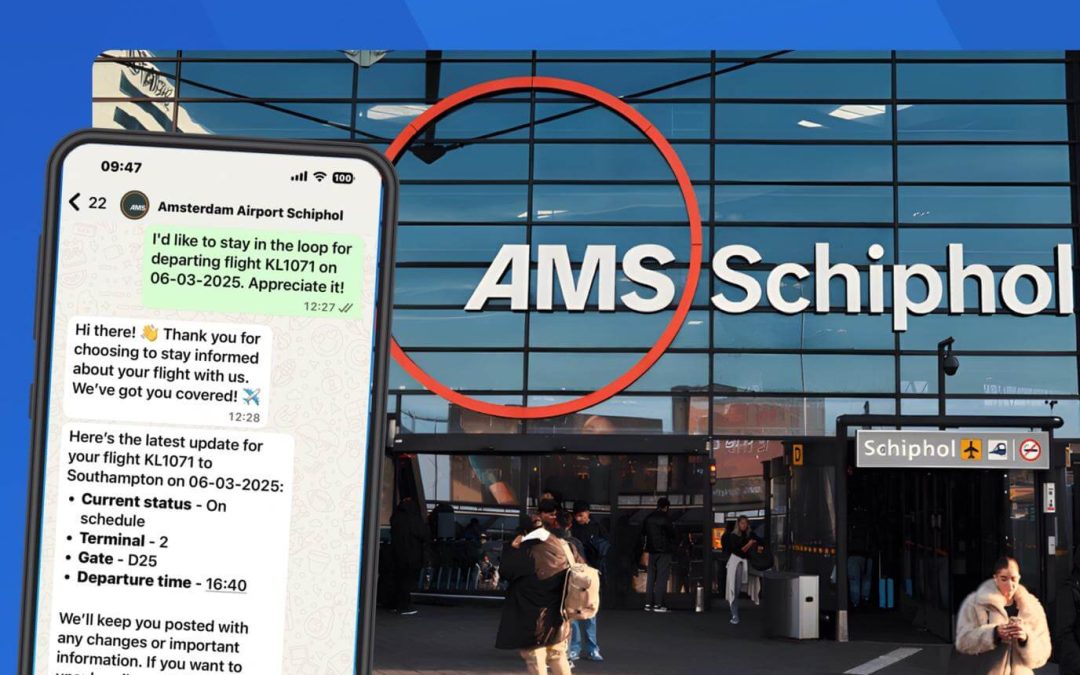
- Cross-channel activation supporting email, SMS, and push notifications for comprehensive reach
- Dynamic content personalization based on past purchase behavior and preferences
- Automated A/B testing to optimize offer types and messaging approaches
- Real-time campaign performance dashboards with actionable insights
Ready to transform your inactive subscribers into engaged customers? Book a demo to see how Deployteq’s automation capabilities can boost your customer reactivation results.