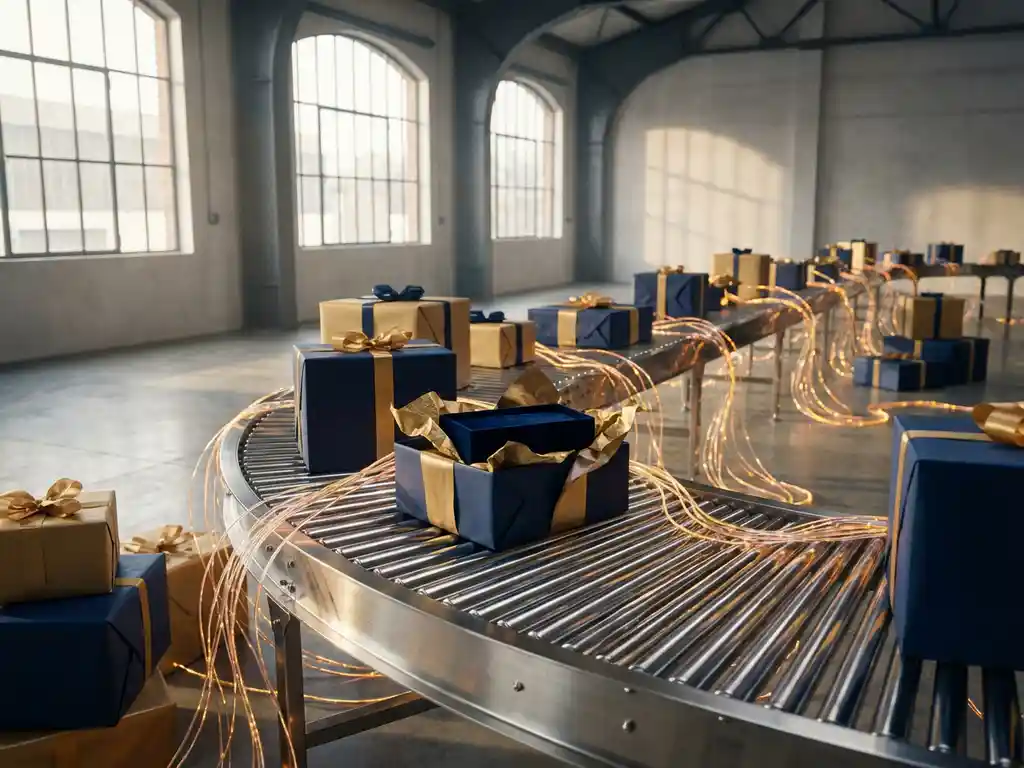
Post-purchase engagement represents one of the biggest missed opportunities in modern marketing. While most brands focus heavily on acquiring new customers, the real value lies in nurturing those who have already demonstrated trust by making a purchase. A well-crafted automation flow can transform one-time buyers into loyal advocates, driving repeat purchases and increasing customer lifetime value.
The challenge isn’t just sending a thank-you email and hoping for the best. Today’s customers expect personalized, timely communication that adds genuine value to their experience. Getting your post-purchase automation flow right means understanding the delicate balance between staying helpful and avoiding inbox fatigue.
What is post-purchase engagement, and why does it matter?
Post-purchase engagement encompasses all marketing communications and touchpoints that occur after a customer completes a purchase. This includes order confirmations, shipping updates, delivery notifications, product education, feedback requests, and follow-up offers designed to encourage repeat purchases.
The importance of post-purchase engagement cannot be overstated. Research consistently shows that acquiring a new customer costs five to seven times more than retaining an existing one. Post-purchase automation flows capitalize on the momentum of a recent purchase, when customers are most receptive to additional communication. This critical window allows brands to reinforce their value proposition, address potential concerns proactively, and guide customers toward their next purchase. Effective post-purchase engagement directly impacts customer retention rates, average order values, and overall customer lifetime value.
What are the essential components of a post-purchase automation flow?
A comprehensive post-purchase automation flow consists of five core components: order confirmation, shipping and delivery updates, product education and onboarding, feedback collection, and retention-focused follow-up communications. Each component serves a specific purpose in the customer journey and should be carefully timed and personalized.
The order confirmation provides the immediate reassurance customers need after completing their purchase. Shipping and delivery updates keep customers informed and reduce anxiety about their order status. Product education helps customers maximize the value of their purchase, which is particularly important for complex or technical products. Feedback collection demonstrates that you value customer opinions while providing valuable insights for business improvement. Finally, retention-focused communications, including cross-sell opportunities, loyalty program invitations, and replenishment reminders, help drive repeat purchases and build long-term relationships.
How soon should you start post-purchase communication?
Post-purchase communication should begin immediately with an order confirmation email sent within minutes of purchase completion. This immediate response reassures customers that their transaction was successful and sets expectations for what comes next.
The timing of subsequent communications depends on your product type and delivery method. For physical products, shipping notifications should be sent as soon as items are dispatched, followed by delivery confirmations. Digital products require immediate delivery confirmation and access instructions. The key is maintaining consistent communication without overwhelming customers. A typical timeline might include an immediate order confirmation, a shipping notification within 24-48 hours, a delivery confirmation, and then a brief pause before educational or feedback-focused emails. This approach ensures customers feel informed and supported throughout their entire purchase experience.
What’s the difference between transactional and marketing post-purchase emails?
Transactional post-purchase emails provide essential order-related information, such as confirmations, shipping updates, and delivery notifications. Marketing post-purchase emails focus on building relationships, encouraging additional purchases, and providing value-added content, such as product tips or complementary offers.
The distinction matters because transactional emails typically have higher open rates and stricter legal requirements. Customers expect and welcome transactional communications, making them excellent opportunities to subtly include marketing elements. However, the primary purpose must remain informational. Marketing emails, on the other hand, require more careful timing and personalization to avoid being perceived as pushy. The most effective email marketing platform approaches blend both types strategically, using transactional emails to deliver required information while incorporating subtle marketing elements, and following up with dedicated marketing communications that provide genuine value.
How do you personalize post-purchase automation flows?
Post-purchase automation flows are personalized using customer data, including purchase history, product preferences, demographics, and behavioral patterns. This data enables dynamic content insertion, tailored product recommendations, and customized messaging that resonates with individual customers.
Effective personalization goes beyond simply inserting a customer’s name. It involves segmenting customers based on their purchase behavior, product categories, and engagement history. For example, first-time customers might receive more detailed onboarding content, while repeat customers could receive exclusive offers or early access to new products. Product-specific personalization ensures customers receive relevant care instructions, usage tips, or complementary product suggestions. Advanced marketing automation platforms can also factor in seasonal patterns, geographic location, and previous email engagement to optimize send times and content selection for maximum relevance and impact.
How do you measure the success of post-purchase engagement?
Success in post-purchase engagement is measured through key metrics, including email open rates, click-through rates, customer retention rates, repeat purchase rates, and customer lifetime value. These metrics provide insights into both immediate engagement and long-term relationship-building effectiveness.
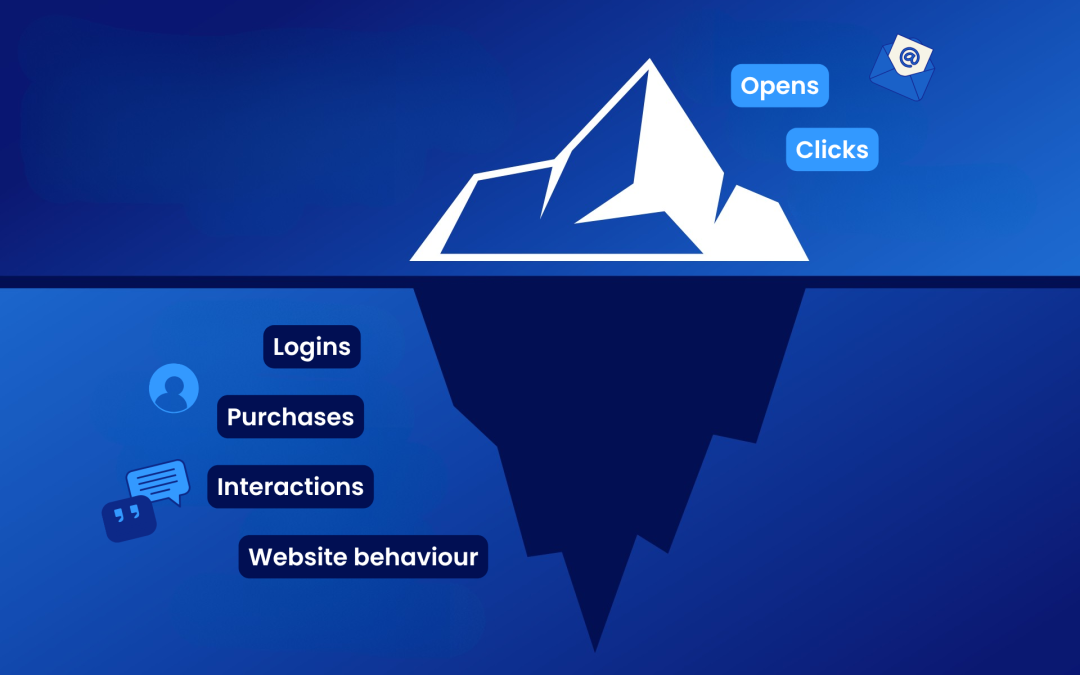
Beyond basic email metrics, focus on business-impact measurements. Track how many customers make a second purchase within specific timeframes, monitor changes in average order values for customers in your post-purchase flows, and measure customer satisfaction scores from feedback requests. Revenue attribution is crucial: measure how much additional revenue can be directly linked to your post-purchase automation efforts. Advanced analytics should also examine customer journey progression, identifying which touchpoints most effectively drive desired behaviors. A comprehensive customer data platform enables deeper analysis by connecting post-purchase engagement metrics with broader customer behavior patterns and business outcomes.
How Deployteq helps with post-purchase automation flows
We make creating sophisticated post-purchase automation flows straightforward with our intuitive journey builder and advanced segmentation capabilities. Our platform enables you to design personalized customer experiences that span multiple channels, including email, SMS, and WhatsApp, all triggered by real-time purchase data.
Key features that enhance your post-purchase engagement include:
- Real-time trigger capabilities that instantly respond to purchase events
- Advanced segmentation for highly personalized messaging based on purchase history and customer behavior
- Cross-channel automation supporting email, SMS, push notifications, and more
- Intelligent modeling, including RFM analysis and predictive insights for optimal timing
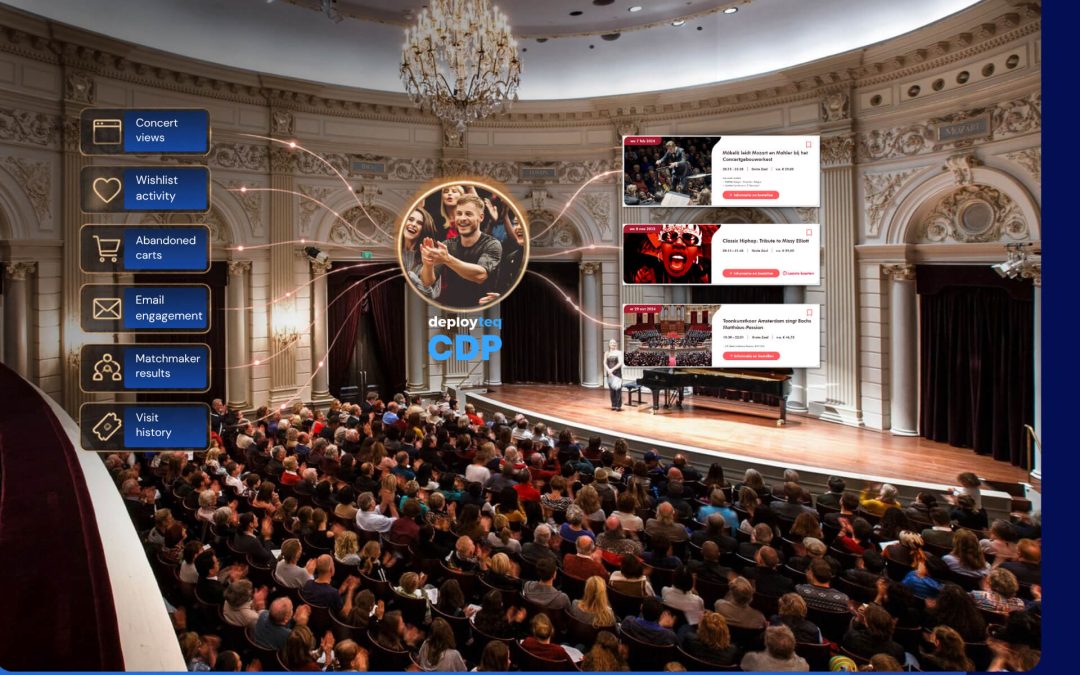
- Unified customer data consolidation providing a complete view of each customer’s journey
Ready to transform your post-purchase strategy? Book a demo to see how our platform can help you create automated flows that drive customer retention and increase lifetime value.