The marketing world has evolved far beyond the days of sending the same message to everyone and hoping for the best. Today’s successful brands understand that effective customer engagement requires precision, timing, and relevance. While broadcasting still has its place in marketing, the rise of marketing automation has fundamentally changed how businesses connect with their customers.
The distinction between these two approaches isn’t just technical—it’s strategic. Understanding when and how to use each method can dramatically impact your campaign performance, customer satisfaction, and ultimately your bottom line.
What Is the Difference Between Marketing Automation and Broadcasting?
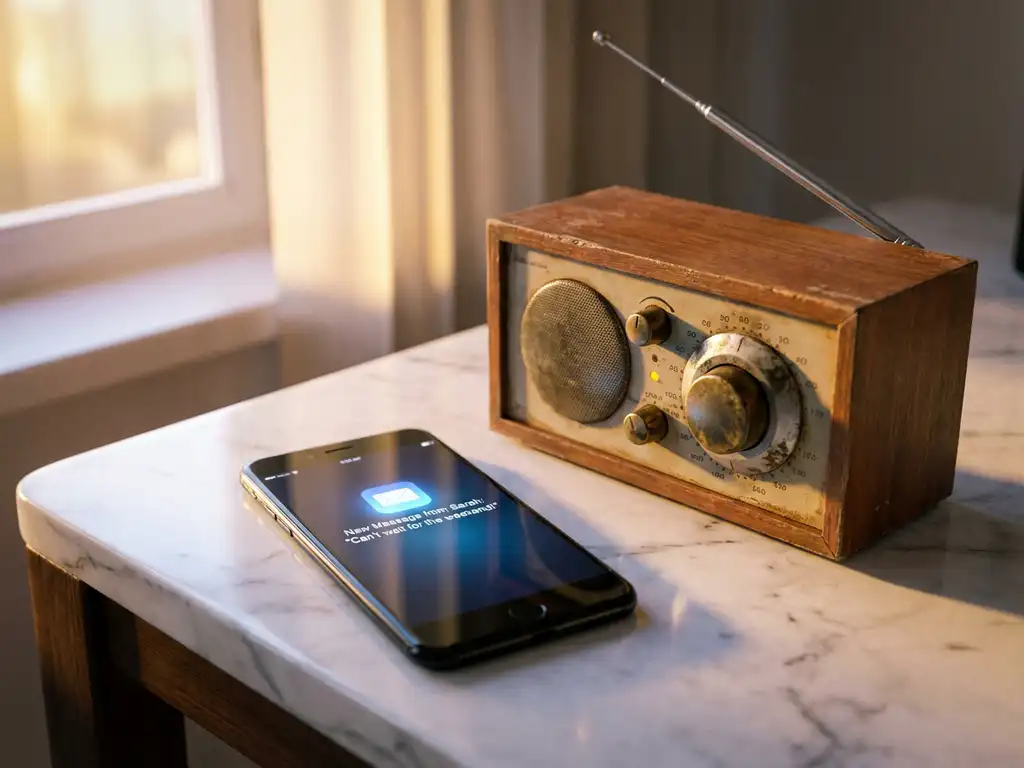
Marketing automation delivers personalized, trigger-based messages to specific customer segments based on their behavior and data, while broadcasting sends the same message to your entire audience simultaneously. The key difference lies in personalization and timing—automation responds to individual customer actions, whereas broadcasting follows a predetermined schedule regardless of recipient behavior.
Broadcasting operates on a one-size-fits-all approach. Think of a weekly newsletter sent to your entire subscriber list every Tuesday at 10 a.m., or a promotional email about a sale that goes to everyone in your database. The content, timing, and recipient list remain constant regardless of individual customer preferences or behaviors.
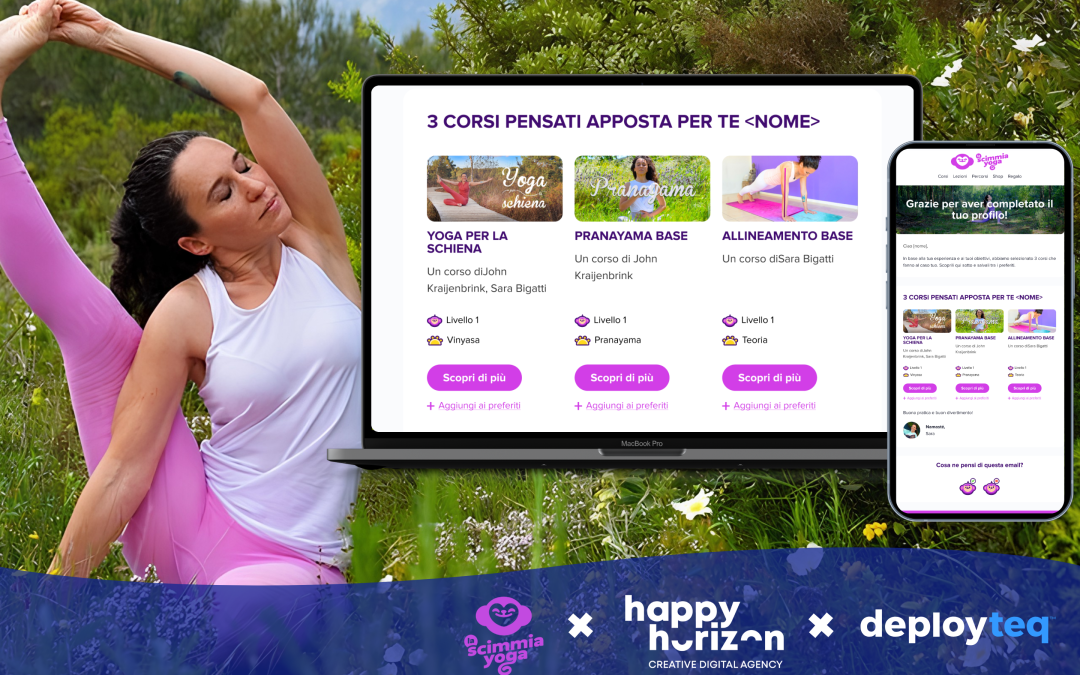
Marketing automation, on the other hand, creates dynamic customer experiences. When someone abandons their cart, they receive a recovery email. When a customer makes their first purchase, they enter a welcome series. When someone hasn’t engaged in 60 days, they receive a re-engagement campaign. Each interaction is tailored to where the customer is in their journey with your brand.
This fundamental difference extends to measurement and optimization. Broadcasting success is typically measured by overall campaign metrics—open rates, click rates, and conversions across the entire send. Automation success focuses on journey performance, individual customer progression, and long-term relationship building.
How Does Marketing Automation Target Customers Differently Than Broadcasting?
Marketing automation uses real-time customer data and behavioral triggers to deliver highly targeted messages to individuals or micro-segments, while broadcasting targets broad audience groups with static messaging. Automation considers customer lifecycle stage, purchase history, engagement patterns, and preferences to determine the right message at the right moment.
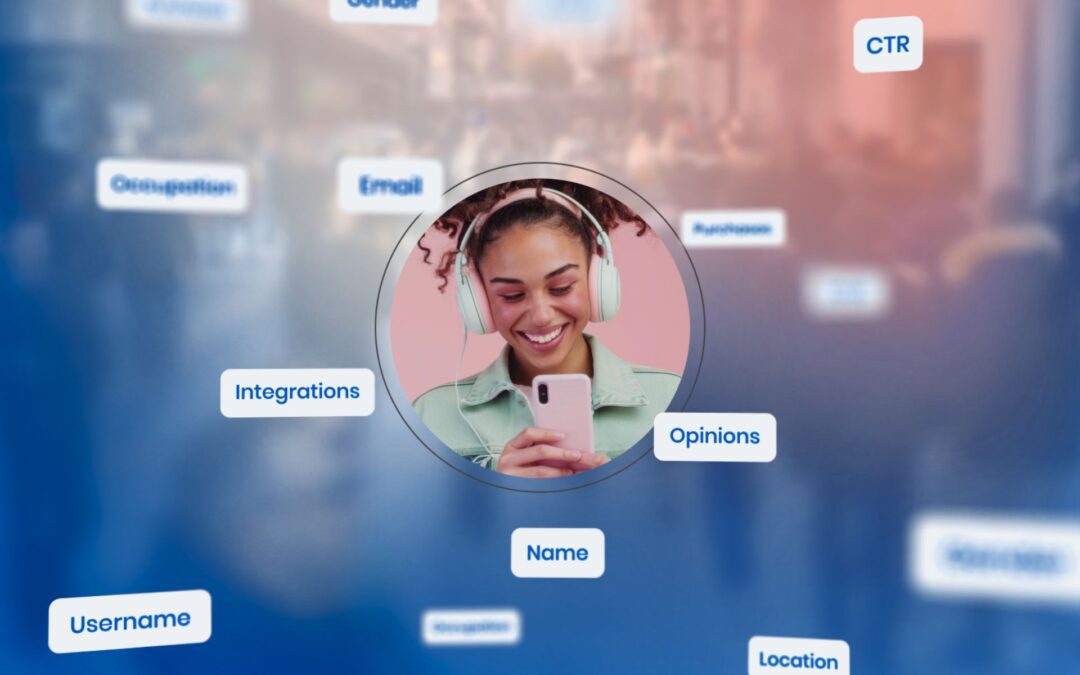
The targeting sophistication in automation goes far beyond basic demographics. Modern marketing automation platforms analyze multiple data points simultaneously—browsing behavior, email engagement, purchase frequency, product preferences, and even seasonal patterns. This creates dynamic segments that update in real time as customer behavior changes.
For example, a retail brand using automation might identify customers who typically purchase winter coats in October, have high email engagement, and prefer premium brands. These customers would receive early access to the new winter collection with personalized product recommendations. Meanwhile, price-sensitive customers who engage more with SMS would receive discount codes via text message closer to the season.
Broadcasting targeting remains relatively static. You might segment your audience into broad categories like “VIP customers” or “new subscribers,” but the messaging and timing remain consistent within each group. While this approach is simpler to execute, it misses opportunities to connect with customers based on their current needs and interests.
What Are the Main Benefits of Marketing Automation Over Broadcasting?
Marketing automation delivers higher engagement rates, increased revenue per customer, and improved customer lifetime value through personalized experiences and timely messaging. Key benefits include reduced manual effort, a better customer experience, more relevant communications, and the ability to scale personalization across thousands of customers simultaneously.
The efficiency gains from automation are substantial. Once set up, automated campaigns run continuously without manual intervention, nurturing leads, recovering abandoned carts, and re-engaging dormant customers around the clock. This frees up marketing teams to focus on strategy and creative development rather than repetitive campaign execution.
Revenue impact typically shows significant improvement with automation. Automated email campaigns generate higher open rates, click-through rates, and conversion rates compared to broadcast emails because they deliver relevant content when customers are most likely to engage. A welcome series, for instance, often performs three to four times better than standard promotional broadcasts.
Customer experience benefits extend beyond immediate campaign performance. Automation helps create consistent, relevant touchpoints throughout the customer journey. Customers receive helpful information when they need it, relevant product recommendations based on their interests, and timely reminders about items they’ve shown interest in. This builds trust and strengthens the customer relationship over time.
The scalability of automation becomes particularly valuable as your business grows. Whether you have 1,000 or 100,000 customers, automated journeys can deliver personalized experiences to each individual without proportionally increasing your workload or team size.
When Should You Use Broadcasting Versus Marketing Automation?
Use broadcasting for time-sensitive announcements, company-wide updates, and broad awareness campaigns where immediate reach matters more than personalization. Choose marketing automation for nurturing customer relationships, driving conversions, and delivering ongoing personalized experiences based on individual customer behavior and preferences.
Broadcasting excels in specific scenarios where universal messaging makes sense. Product launches, flash sales, important company announcements, or breaking news require immediate, widespread communication. When you need every customer to receive the same critical information simultaneously—like a security update or a policy change—broadcasting is the appropriate choice.
Seasonal campaigns often benefit from a hybrid approach. A broadcast email might announce your holiday sale to everyone, while automated follow-ups deliver personalized product recommendations based on browsing history and past purchases. This combines the broad reach of broadcasting with the precision of automation.
Marketing automation works best for ongoing customer relationship management. Welcome sequences for new subscribers, post-purchase follow-ups, birthday campaigns, re-engagement series for inactive customers, and educational content series all benefit from automated delivery. These campaigns require timing precision and personalization that broadcasting cannot provide.
Consider your resources and goals when choosing between approaches. Broadcasting requires less initial setup and technical complexity, making it suitable for smaller teams or simpler campaigns. Automation requires more strategic planning, data organization, and technical implementation but delivers superior long-term results and customer experiences.
How Deployteq Enhances Your Marketing Automation Strategy
We understand that successful marketing automation requires more than just sending triggered emails—it demands a comprehensive platform that unifies customer data, enables sophisticated segmentation, and delivers personalized experiences across every channel. Our platform combines the power of advanced automation with the simplicity that busy marketing teams need.
Here’s how we help brands move beyond basic broadcasting to sophisticated automation:
- Unified Customer Data: Our new Customer Data Platform consolidates all customer touchpoints, giving you a complete view for smarter automation decisions.
- Advanced Segmentation: Create real-time, highly personalized customer segments that update automatically as behavior changes.
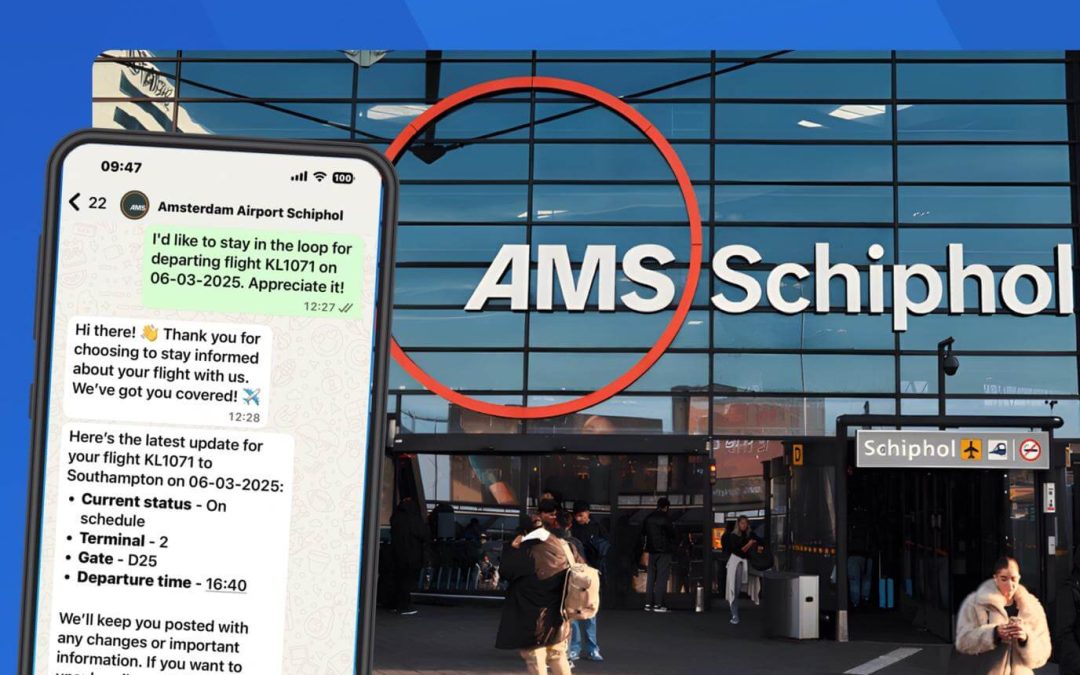
- Cross-Channel Automation: Deploy consistent messaging across email, SMS, WhatsApp, push notifications, and web experiences.
- Flexible Journey Builder: Design complex customer journeys with the freedom and flexibility to match your unique business needs.
- Intelligent Modeling: Leverage RFM analysis, next-best-offer recommendations, and predictive insights to optimize every interaction.
Ready to transform your marketing from broadcasting to intelligent automation? Book a demo to see how our platform can help you deliver the personalized experiences your customers expect while scaling your marketing efforts efficiently.