The marketing landscape has evolved rapidly, leaving many professionals wondering whether their email marketing tools still measure up. As customer expectations rise and data becomes more complex, the question isn’t just about sending better emails anymore. It’s about creating unified, intelligent customer experiences that span every touchpoint.
Marketing automation platforms promise to handle everything your email tool does—and more. But can they really replace your dedicated email marketing software without sacrificing the features that drive results? Let’s break down what you need to know before making the switch.
What’s the difference between marketing automation and email marketing tools?
Marketing automation platforms orchestrate multichannel customer journeys using unified data, while email marketing tools focus specifically on creating and sending email campaigns. The core difference lies in scope and data integration capabilities.
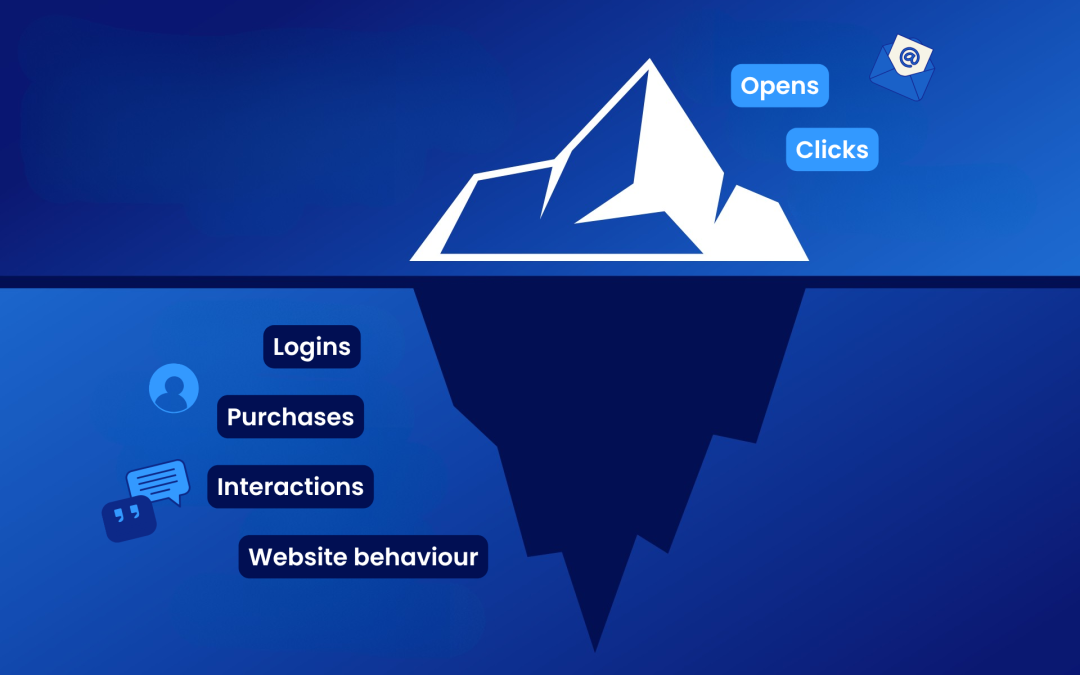
Email marketing tools excel at their primary function. They offer robust email design features, advanced deliverability optimization, and detailed email-specific analytics. Most provide solid segmentation based on email behavior, subscription preferences, and basic demographic data.
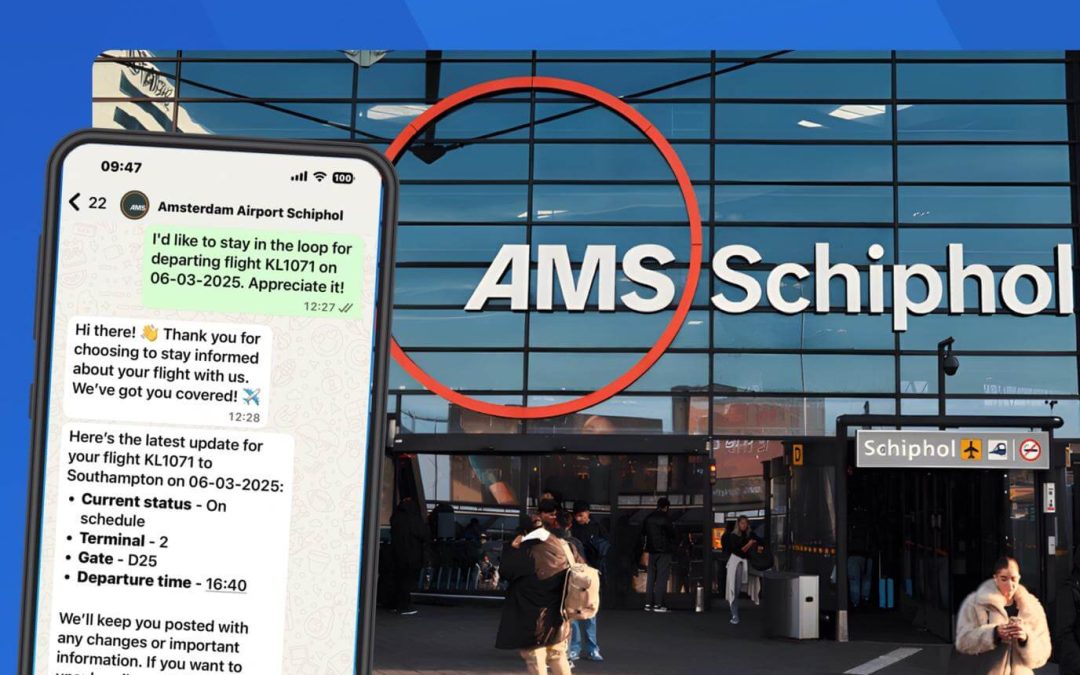
Marketing automation expands beyond email to include SMS, push notifications, web personalization, and social media integration. These platforms consolidate customer data from multiple sources, enabling you to trigger actions based on website behavior, purchase history, app usage, and cross-channel engagement patterns. The marketing automation approach creates a complete view of each customer’s journey.
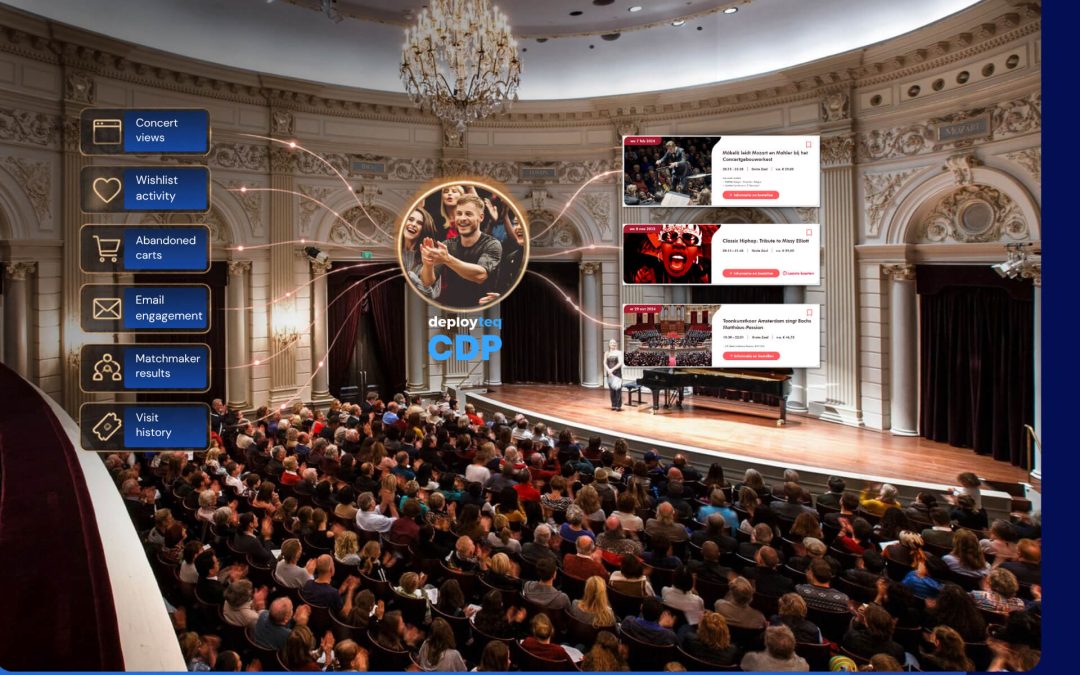
The data architecture differs significantly, too. Email tools typically store contact information and email engagement data. Marketing automation platforms function as central data hubs, connecting your CRM, e-commerce platform, mobile app, and other systems to create comprehensive customer profiles.
Can marketing automation handle all your email marketing needs?
Modern marketing automation platforms can manage most email marketing requirements, including advanced segmentation, automated campaigns, and detailed performance tracking. However, some specialized email features may be less sophisticated than those in dedicated email tools.
Marketing automation platforms handle core email functions effectively. They support responsive email design, A/B testing, automated drip campaigns, and behavioral triggers. Advanced segmentation capabilities often surpass those of email-only tools because they can access broader data sets from multiple channels.
Where marketing automation truly shines is in contextual email delivery. Instead of sending emails based solely on email behavior, you can trigger messages based on website visits, purchase patterns, mobile app activity, or customer service interactions. This creates more relevant, timely communications that drive better results.
Some limitations exist compared to specialized email platforms. Dedicated email tools may offer more advanced template designers, superior deliverability optimization features, or more granular email-specific analytics. The depth of email-focused features can vary significantly between marketing automation platforms.
When should you upgrade from email marketing to marketing automation?
Upgrade to marketing automation when you need to coordinate customer experiences across multiple channels, have complex customer data from various sources, or want to trigger actions based on non-email behaviors. Companies with fragmented customer data benefit most from this transition.
Several indicators suggest you’ve outgrown email-only tools. If you’re manually copying data between systems, struggling to create unified customer segments, or missing opportunities to engage customers on their preferred channels, marketing automation can solve these challenges.
Volume and complexity also drive upgrade decisions. When managing high-frequency communications across email, SMS, and push notifications, or when customer journeys span multiple touchpoints, marketing automation provides the orchestration capabilities you need. The unified data approach becomes essential for sophisticated segmentation.
Budget considerations matter, too. Marketing automation represents a larger investment but delivers greater functionality. Calculate the cost of multiple single-channel tools plus the time spent on manual data management. Often, the consolidated approach proves more cost-effective for growing businesses.
What do you lose when switching from dedicated email tools?
Switching from dedicated email tools may mean sacrificing some specialized email features, advanced deliverability optimization, or email-specific integrations. The depth of email-focused functionality can be reduced in favor of broader multichannel capabilities.
Dedicated email platforms often provide more sophisticated email design features. Advanced drag-and-drop editors, extensive template libraries, and specialized email coding tools may be more limited in marketing automation platforms. Some email-specific features, such as advanced inbox preview testing or detailed spam score analysis, might not be as comprehensive.
Deliverability optimization represents another potential trade-off. Email-focused platforms invest heavily in sender reputation management, ISP relationships, and email-specific compliance features. While marketing automation platforms maintain good deliverability standards, they may not offer the same level of email-specific optimization.
Integration ecosystems can differ, too. Email marketing tools often integrate deeply with email-focused services such as advanced analytics platforms, specialized deliverability tools, or email design services. You’ll need to evaluate whether your current integrations have equivalents in the marketing automation ecosystem.
How do you migrate from email marketing tools to marketing automation?
Successful migration requires careful data mapping, a gradual campaign transition, and thorough testing of automated workflows. Start by auditing your current email data, segments, and campaigns to ensure nothing critical gets lost in the transition.
Begin with data preparation. Export your contact lists, segment definitions, and campaign performance history. Clean and organize this data according to your new platform’s requirements. Map your existing segments to the enhanced segmentation capabilities available in marketing automation.
Plan your campaign migration strategically. Start with simple automated emails before moving on to complex drip campaigns. This approach lets you test deliverability, template rendering, and automation triggers without risking your most important communications. Gradually expand to multichannel campaigns as you become comfortable with the platform.
The email marketing functionality in modern automation platforms supports this transition process. Test thoroughly before fully committing. Run parallel campaigns initially to compare performance and ensure your new setup matches or exceeds previous results.
How Deployteq helps with marketing automation transition
We make the transition from email marketing tools to comprehensive marketing automation seamless and strategic. Our platform combines powerful email capabilities with advanced multichannel orchestration, so you don’t sacrifice email performance while gaining automation benefits.
Here’s how we support your migration:
- Advanced email features: Superior segmentation, responsive templates, and robust deliverability optimization maintain your email marketing excellence.
- Unified data integration: Our Customer Data Platform consolidates information from all your systems, creating comprehensive customer profiles for smarter automation.
- Flexible journey builder: Design complex, multichannel customer journeys that trigger based on email behavior, website activity, purchase patterns, and more.
- Seamless migration support: Our team helps map your existing campaigns, segments, and data to ensure nothing gets lost in the transition.
Ready to see how marketing automation can enhance your email marketing results while expanding your reach across all channels? Book a demo to explore how our platform handles your specific requirements and migration needs.