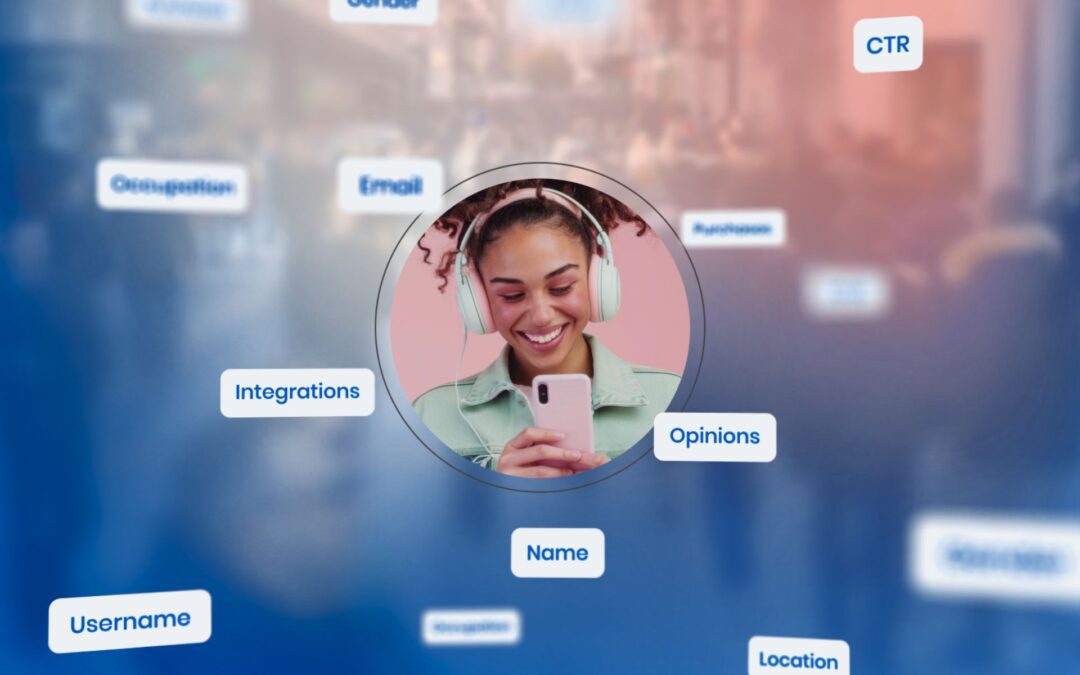
Brand loyalty drives revenue, but measuring it accurately has long been a challenge for marketing teams. Traditional methods rely on surveys and manual analysis, creating gaps in understanding customer behavior. Marketing automation transforms this landscape by providing real-time tracking, automated measurement, and actionable insights that help brands build stronger customer relationships.
Modern marketing automation platforms capture every customer interaction across channels, turning behavioral data into measurable loyalty metrics. This shift from reactive to proactive measurement enables brands to identify loyalty trends, predict churn, and optimize retention strategies with unprecedented precision.
What is brand loyalty measurement in marketing automation?
Brand loyalty measurement in marketing automation is the systematic tracking and analysis of customer behaviors, engagement patterns, and retention metrics using automated tools and data collection. These platforms monitor customer interactions across email, SMS, web, and mobile channels to create comprehensive loyalty profiles without manual intervention.
Marketing automation platforms collect behavioral signals such as purchase frequency, email engagement rates, website visits, and campaign responses. This data feeds into automated scoring systems that assign loyalty values to individual customers. Unlike traditional methods that rely on periodic surveys, automated measurement provides continuous insights into customer sentiment and behavior.
The system creates dynamic customer segments based on loyalty indicators, enabling real-time personalization and targeted retention campaigns. Brands can identify at-risk customers immediately rather than discovering churn weeks or months after it occurs.
How does marketing automation track customer loyalty automatically?
Marketing automation tracks customer loyalty through continuous data collection across all touchpoints, behavioral scoring algorithms, and predictive analytics that identify loyalty patterns. The system monitors every customer interaction and translates these behaviors into quantifiable loyalty metrics.
Automated tracking begins with data integration from multiple sources. The platform consolidates purchase history, email clicks, website behavior, social media engagement, and customer service interactions into unified customer profiles. This creates a 360-degree view of each customer’s relationship with the brand.
Behavioral scoring engines analyze this data to assign loyalty scores based on predefined criteria. High-value actions such as repeat purchases, referrals, and positive reviews increase scores, while behaviors such as unsubscribes, returns, or complaint submissions decrease them. The system updates these scores in real time as new interactions occur.
Predictive models identify customers showing early signs of disengagement. By analyzing patterns from previously churned customers, the automation platform flags similar behaviors and triggers retention campaigns before loyalty deteriorates further.
What loyalty metrics can marketing automation platforms measure?
Marketing automation platforms measure customer lifetime value, purchase frequency, engagement scores, retention rates, Net Promoter Score, and churn probability. These metrics provide comprehensive insights into customer loyalty across multiple dimensions and timeframes.
Core loyalty metrics include:
- Customer Lifetime Value (CLV): Automated calculation of total revenue potential per customer based on historical patterns and predictive modeling
- Purchase Frequency: Tracking of buying patterns and intervals to identify loyalty trends and seasonal behaviors
- Engagement Scores: Composite metrics combining email opens, clicks, website visits, and content interactions
- Retention Rates: Automated cohort analysis showing customer retention across different time periods
- Churn Risk Scores: Predictive indicators identifying customers likely to disengage or stop purchasing
Advanced platforms also track cross-channel engagement, measuring how customers interact with brands across email, SMS, mobile apps, and social media. This multichannel view reveals loyalty patterns that single-channel analysis might miss. The automation ensures these metrics update continuously, providing marketing teams with current loyalty insights for immediate action.
How can automated loyalty programs improve measurement accuracy?
Automated loyalty programs improve measurement accuracy by eliminating manual data entry errors, providing real-time point tracking, and integrating behavioral data with transactional information. This automation ensures consistent, precise measurement across all customer touchpoints and program interactions.
Traditional loyalty programs suffer from delayed data updates and manual reconciliation errors. Automated systems instantly record point earnings, redemptions, and tier progressions, creating accurate loyalty profiles in real time. This immediate tracking prevents discrepancies that can damage customer trust and program effectiveness.
Integration capabilities enhance accuracy by connecting loyalty program data with broader customer behavior patterns. The system correlates program engagement with purchase history, communication preferences, and channel usage to create more nuanced loyalty insights. This holistic view reveals which program elements drive genuine loyalty versus purely transactional behavior.
Automated fraud detection and validation rules maintain program integrity. The system flags unusual redemption patterns, duplicate accounts, or suspicious activity that could skew loyalty measurements. This protection ensures measurement accuracy reflects genuine customer loyalty rather than program manipulation.
What’s the difference between traditional and automated loyalty measurement?
Traditional loyalty measurement relies on periodic surveys, manual data analysis, and retrospective reporting, while automated measurement provides continuous real-time tracking, predictive insights, and immediate actionability. Automated systems eliminate the delays and gaps inherent in traditional approaches.
Traditional methods typically involve quarterly or annual customer satisfaction surveys, focus groups, and manual compilation of sales data. This approach creates measurement delays of weeks or months, making it difficult to respond quickly to loyalty changes. Results often reflect past customer sentiment rather than current loyalty levels.
Automated measurement operates continuously, capturing every customer interaction as it happens. This real-time approach enables immediate response to loyalty shifts and provides early warning signals for potential churn. The system processes thousands of data points automatically, identifying patterns human analysis might miss.
Scope and scale represent another key difference. Traditional methods typically measure loyalty for customer samples or segments, while automation can track every individual customer simultaneously. This comprehensive coverage reveals loyalty variations across different customer groups and enables personalized retention strategies.
Predictive capability sets automated measurement apart from traditional approaches. While traditional methods report what happened, automated systems predict what will happen, enabling proactive loyalty management rather than reactive responses to loyalty problems.
How Deployteq helps with brand loyalty measurement
We provide comprehensive loyalty measurement through our integrated customer data platform and advanced marketing automation capabilities. Our platform automatically tracks customer behaviors across email, SMS, WhatsApp, and web channels, creating unified loyalty profiles that update in real time.
Our loyalty measurement solution includes:
- Automated behavioral scoring with RFM analysis and predictive modeling
- Real-time churn prediction and early warning systems
- Cross-channel engagement tracking and loyalty attribution
- Advanced segmentation for loyalty-based campaign targeting
- Comprehensive loyalty analytics and reporting dashboards
Our email marketing platform integrates seamlessly with loyalty measurement, enabling automated retention campaigns based on loyalty scores and behavioral triggers. Ready to transform your loyalty measurement strategy? Book a demo to see how our platform can provide the loyalty insights you need to drive customer retention and growth.