Understanding customer purchase intent has become a game-changer for modern marketers. With marketing automation and predictive analytics, businesses can now identify which customers are most likely to make a purchase before they even add items to their carts. This capability transforms how brands approach customer engagement, shifting from reactive to proactive marketing strategies.
The ability to predict customer purchase intent using automation tools and customer data analysis allows marketers to deliver precisely timed, relevant messages that drive conversions. From analyzing browsing patterns to tracking engagement behaviors, marketing AI is revolutionizing how we understand and respond to customer behavior signals.
What is customer purchase intent prediction?
Customer purchase intent prediction is the process of using data analysis and machine learning algorithms to identify customers who are likely to make a purchase in the near future. This predictive approach analyzes historical customer behavior, engagement patterns, and demographic data to assign probability scores that indicate purchase likelihood.
Purchase intent prediction goes beyond basic demographic targeting by examining dynamic behavioral signals. These include website browsing patterns, email engagement rates, product page visits, and interaction frequency across multiple channels. The system creates predictive models that continuously learn from customer actions, becoming more accurate over time as more data becomes available.
Modern purchase intent prediction incorporates real-time data processing, allowing marketers to respond immediately when a customer shows a high probability of purchase. This capability enables brands to optimize their marketing spend by focusing resources on customers most likely to convert, rather than casting wide nets with generic messaging.
How does marketing automation predict purchase intent?
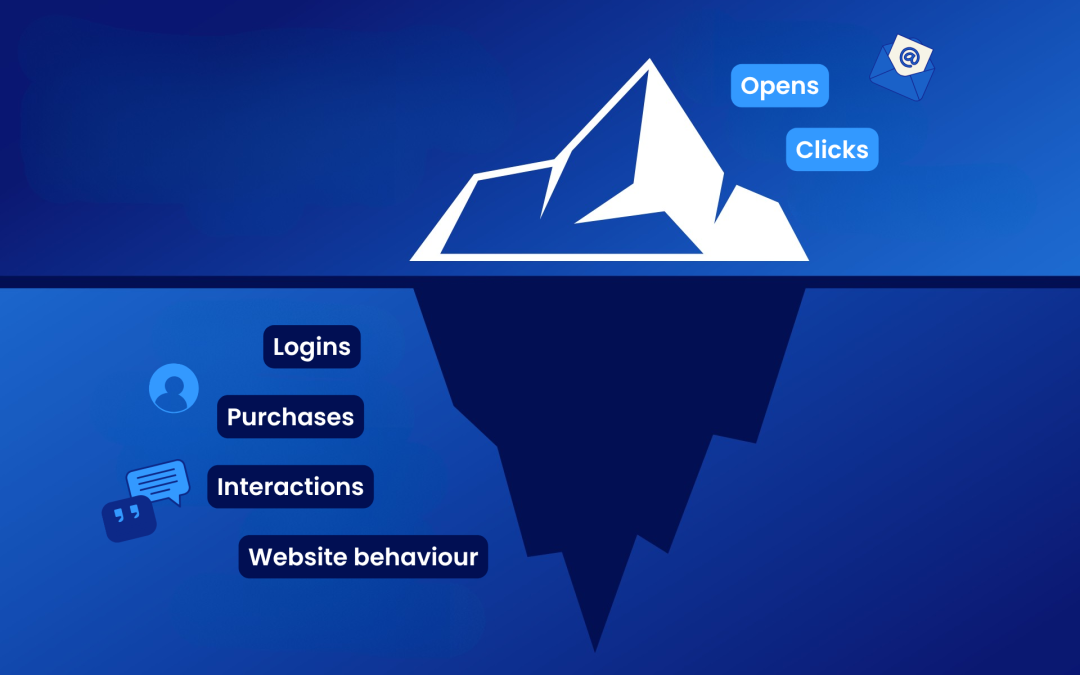
Marketing automation predicts purchase intent by collecting and analyzing vast amounts of customer data through machine learning algorithms and behavioral tracking systems. These platforms monitor customer interactions across all touchpoints, from email opens to website visits, creating comprehensive behavioral profiles that indicate purchase readiness.
The prediction process begins with data collection from multiple sources, including website analytics, email engagement metrics, social media interactions, and purchase history. Marketing automation platforms then apply algorithms such as logistic regression, decision trees, and neural networks to identify patterns that correlate with purchase behavior. These systems continuously refine their predictions by comparing predicted outcomes with actual purchases.
Advanced marketing automation platforms incorporate real-time scoring mechanisms that update customer intent scores as new interactions occur. This dynamic approach ensures that marketing messages reach customers at the optimal moment, when their purchase intent is highest, significantly improving conversion rates and campaign effectiveness.
What data points indicate customer purchase intent?
Key data points that indicate customer purchase intent include website behavior metrics, email engagement patterns, product interaction frequency, and temporal browsing patterns. High-intent signals typically involve multiple product page views, price comparison activities, cart additions, and increased engagement with promotional content within compressed timeframes.
Behavioral indicators provide the strongest purchase intent signals. These include time spent on product pages, the number of return visits to specific items, engagement with product reviews, and interaction with sizing or specification information. Email behavior, such as opening promotional messages, clicking product links, and downloading product guides, also strongly correlates with purchase readiness.
Transactional history patterns reveal important intent signals through purchase frequency analysis, seasonal buying behaviors, and product category preferences. Customers who historically make purchases after specific trigger events, such as abandoned cart emails or limited-time offers, often exhibit predictable intent patterns that automation systems can identify and leverage for future campaigns.
How accurate are purchase intent predictions?
Purchase intent prediction accuracy typically ranges from 60% to 85%, depending on data quality, model sophistication, and industry vertical. E-commerce and retail sectors generally achieve higher accuracy rates due to abundant behavioral data, while service-based industries may see lower but still commercially valuable prediction rates.
Accuracy improves significantly with data volume and customer interaction history. New customers with limited behavioral data produce less reliable predictions, while long-term customers with extensive interaction histories enable highly accurate intent forecasting. The integration of multiple data sources, including customer data platforms, enhances prediction reliability by providing comprehensive customer views.
Prediction accuracy also varies by time horizon. Short-term predictions covering 1-7 days typically achieve higher accuracy than longer-term forecasts. Most marketing automation systems focus on immediate to near-term intent prediction, where accuracy rates are highest and marketing interventions can have the most direct impact on purchase decisions.
What marketing automation tools predict purchase intent?
Leading marketing automation tools that predict purchase intent include comprehensive platforms with built-in predictive analytics, specialized AI-powered solutions, and integrated customer data platforms with machine learning capabilities. These tools combine behavioral tracking, predictive modeling, and automated campaign execution to identify and act on purchase intent signals.
Enterprise-level platforms typically offer the most sophisticated purchase intent prediction through advanced segmentation engines and predictive scoring algorithms. These systems integrate with existing CRM and e-commerce platforms to create unified customer profiles that enable accurate intent prediction across all customer touchpoints and interaction channels.
Modern automation tools incorporate real-time decision engines that trigger specific campaigns based on intent scores. Features include dynamic content personalization, automated email sequences, and cross-channel messaging coordination. The most effective tools combine predictive capabilities with comprehensive email marketing platforms to deliver seamless, intent-driven customer experiences.
How do businesses use purchase intent predictions?
Businesses use purchase intent predictions to optimize marketing campaigns, personalize customer experiences, and improve conversion rates through targeted messaging and strategic resource allocation. High-intent customers receive priority treatment with personalized offers, while low-intent customers enter nurturing sequences designed to gradually increase purchase probability.
Practical applications include dynamic email campaign triggers that send personalized product recommendations when intent scores reach specific thresholds. Sales teams receive prioritized lead lists based on intent rankings, allowing them to focus their efforts on prospects most likely to convert. Inventory management systems can also leverage intent predictions to optimize stock levels for high-demand products.
Advanced implementations involve cross-channel orchestration, where intent predictions trigger coordinated campaigns across email, SMS, social media, and web personalization. This approach ensures consistent messaging while maximizing touchpoint effectiveness. Businesses also use intent predictions for budget allocation, directing advertising spend toward audiences with the highest conversion probability.
How Deployteq helps with customer purchase intent prediction
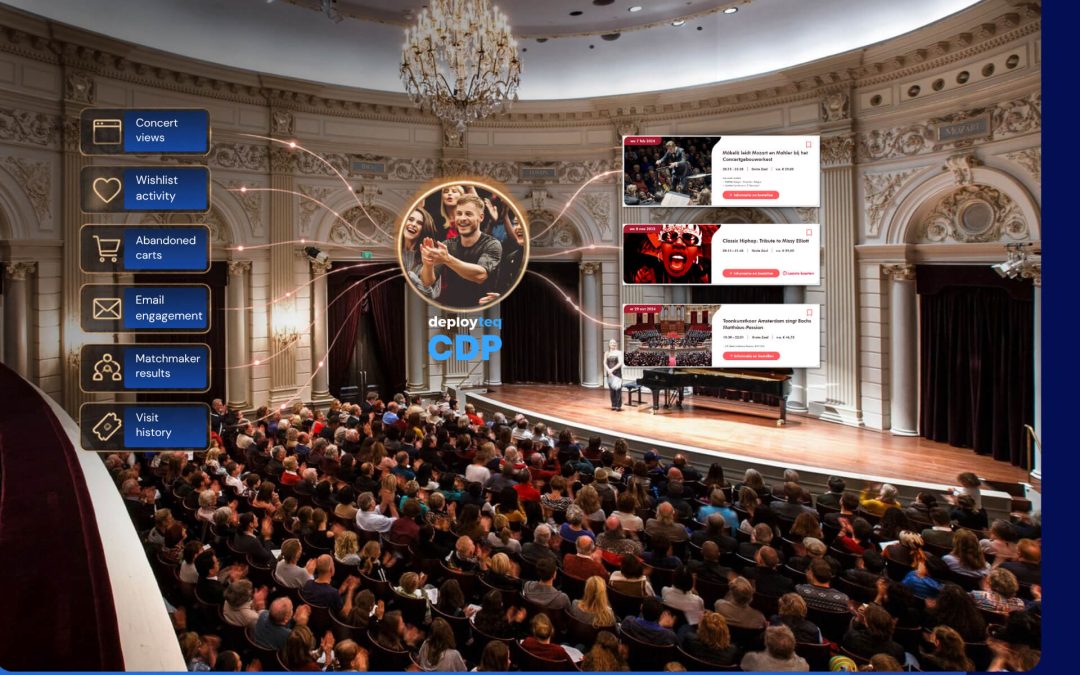
We provide advanced purchase intent prediction through our integrated Customer Data Platform and intelligent modeling capabilities, including RFM analysis, next-best-offer recommendations, and predictive insights. Our platform unifies customer data from all touchpoints, enabling accurate behavioral analysis and real-time intent scoring across email, SMS, WhatsApp, and web channels.
Our solution delivers purchase intent prediction through:
- Real-time customer scoring based on cross-channel behavioral data
- Advanced segmentation that automatically identifies high-intent customer groups
- Predictive journey automation that triggers campaigns based on intent thresholds
- Integrated analytics that continuously refine prediction accuracy
Ready to transform your marketing with predictive customer insights? Book a demo to see how our platform can help you identify and convert high-intent customers more effectively.