Dormant customers represent one of the biggest missed opportunities in marketing. These are people who once engaged with your brand but have gone quiet, and they’re often easier to reactivate than it is to acquire entirely new customers. With the right automated win-back campaigns, you can breathe new life into these relationships and recover revenue that might otherwise be lost forever.
The key to successful customer reactivation lies in understanding why customers become inactive and creating targeted, automated responses that address their specific needs. Let’s explore how to build win-back campaigns that actually work.
What Are Win-Back Campaigns and Why Do They Matter for Customer Retention?
Win-back campaigns are automated marketing sequences designed to re-engage dormant customers who haven’t interacted with your brand for a specific period. These campaigns typically combine personalized messaging, special offers, and strategic timing to encourage inactive subscribers or customers to return and take action.
The importance of win-back campaigns becomes clear when you consider the numbers. Acquiring new customers costs five to seven times more than retaining existing ones, making dormant customer reactivation a highly cost-effective strategy. These campaigns also help maintain list hygiene by identifying truly unengaged contacts while giving genuinely interested customers a chance to reconnect.
Effective re-engagement campaigns can recover 10–15% of inactive subscribers, turning them back into active participants in your customer journey. This recovered engagement directly impacts your sender reputation and overall email marketing platform performance.
How Do You Identify Which Customers Need Win-Back Campaigns?
Customer identification for win-back campaigns starts with defining inactivity based on your specific business model and customer behavior patterns. E-commerce brands might consider customers dormant after 90 days without a purchase, while SaaS companies might use 30 days without login activity as their threshold.
The most effective approach involves creating multiple dormancy segments based on different engagement levels. Early-stage dormancy might include customers who haven’t opened emails in 30 days, while deep dormancy could mean no engagement for six months or more. This segmentation allows for tailored messaging intensity and offer strategies.
Advanced segmentation also considers customer lifetime value, purchase history, and engagement patterns before dormancy. High-value customers who suddenly go quiet deserve immediate attention and premium win-back offers, while low-engagement subscribers might receive gentler reactivation attempts first.
What’s the Best Timing for Automated Win-Back Campaign Triggers?
Optimal timing for win-back campaign triggers depends on your customer’s typical engagement cycle, but most successful campaigns begin 30–45 days after the last meaningful interaction. This timing strikes a balance between giving customers space and catching them before they completely forget your brand.
A progressive timing strategy works best, starting with a gentle reminder email at the 30-day mark, followed by increasingly compelling offers at 60, 90, and 120 days. Each touchpoint should escalate in urgency and value proposition while maintaining your brand’s tone and personality.
Industry-specific timing considerations matter significantly. Retail brands might trigger campaigns sooner during peak seasons, while B2B services might extend initial triggers to 60–90 days to account for longer decision cycles. The key is testing different timing sequences and measuring reactivation rates to find your optimal cadence.
How Do You Create Compelling Win-Back Messages That Drive Action?
Compelling win-back messages combine emotional reconnection with clear value propositions, acknowledging the relationship gap while providing irresistible reasons to return. The most effective messages start with genuine curiosity about the customer’s absence rather than aggressive sales pitches.
Successful win-back messaging follows a proven structure: acknowledge the absence, remind customers of your value, offer something exclusive, and create urgency. Subject lines like “We miss you” or “Something special for your return” perform better than generic promotional language because they feel personal and relationship-focused.
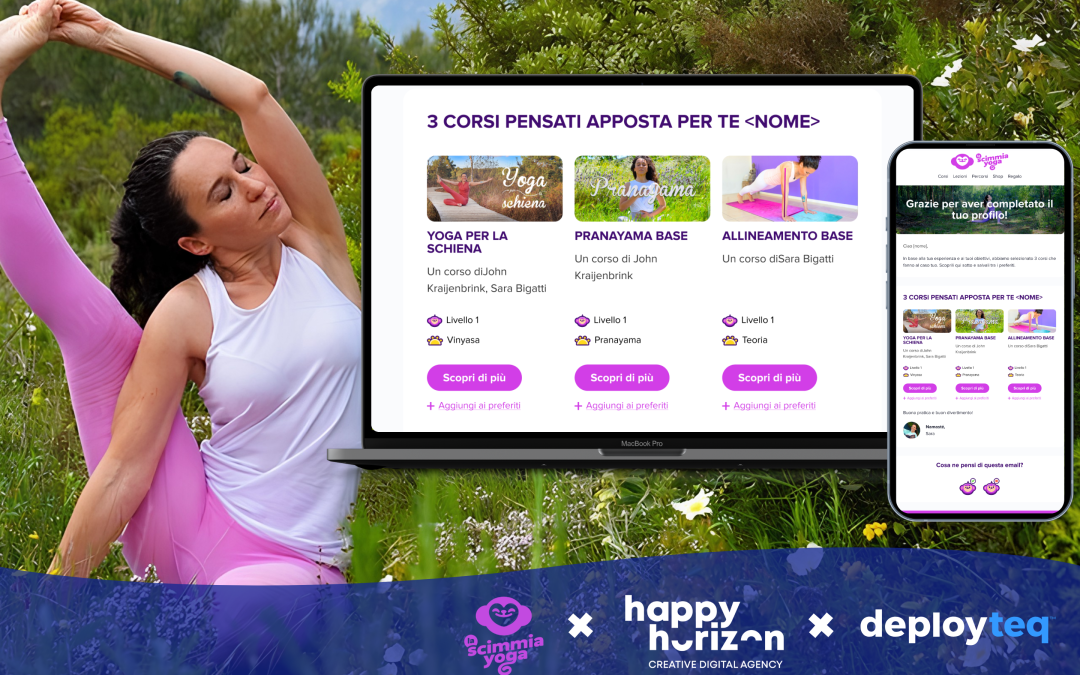
Personalization beyond the customer’s name significantly improves response rates. Reference their last purchase, favorite product categories, or previous engagement patterns to show you remember their preferences. This level of customization requires robust customer data platform capabilities to track and use historical interaction data effectively.
What Marketing Automation Tools Work Best for Win-Back Campaigns?
The best marketing automation tools for win-back campaigns offer advanced segmentation capabilities, behavioral trigger options, and cross-channel messaging coordination. Essential features include the ability to track multiple inactivity signals, create complex automation workflows, and deliver personalized content at scale.
Key automation features to prioritize include dynamic content insertion, A/B testing capabilities for different message variations, and detailed analytics tracking. The platform should also support multiple communication channels, allowing you to reach dormant customers through their preferred touchpoints, whether email, SMS, or push notifications.
Integration capabilities matter enormously for win-back success. Your chosen platform needs seamless connectivity with your e-commerce system, CRM, and customer service tools to create truly informed and personalized reactivation campaigns. This integration enables real-time data updates and more sophisticated trigger conditions.
How Do You Measure Win-Back Campaign Success and Optimize Performance?
Win-back campaign success measurement focuses on reactivation rate, revenue recovery, and long-term customer retention rather than just open and click rates. The primary metric should be the percentage of dormant customers who return to active status within your defined timeframe.
Key performance indicators include immediate reactivation rate, revenue generated from reactivated customers, and the retention rate of won-back customers over the following 90 days. These metrics provide a complete picture of campaign effectiveness beyond initial engagement spikes.
Optimization strategies involve continuous testing of message timing, offer types, and communication frequency. A/B testing different subject lines, discount percentages, and call-to-action buttons helps identify what resonates most with your dormant audience. Regular analysis of which customer segments respond best to specific approaches enables increasingly targeted campaigns.
How Deployteq Helps with Win-Back Campaign Automation
We make win-back campaign automation effortless through our intelligent marketing automation platform that combines advanced segmentation with cross-channel messaging capabilities. Our system automatically identifies dormant customers based on your custom criteria and triggers personalized reactivation sequences across email, SMS, and push notifications.
Our platform offers:
- Smart segmentation that automatically identifies different levels of customer dormancy
- Behavioral trigger capabilities that respond to real-time customer actions
- Cross-channel campaign coordination for maximum reach and impact
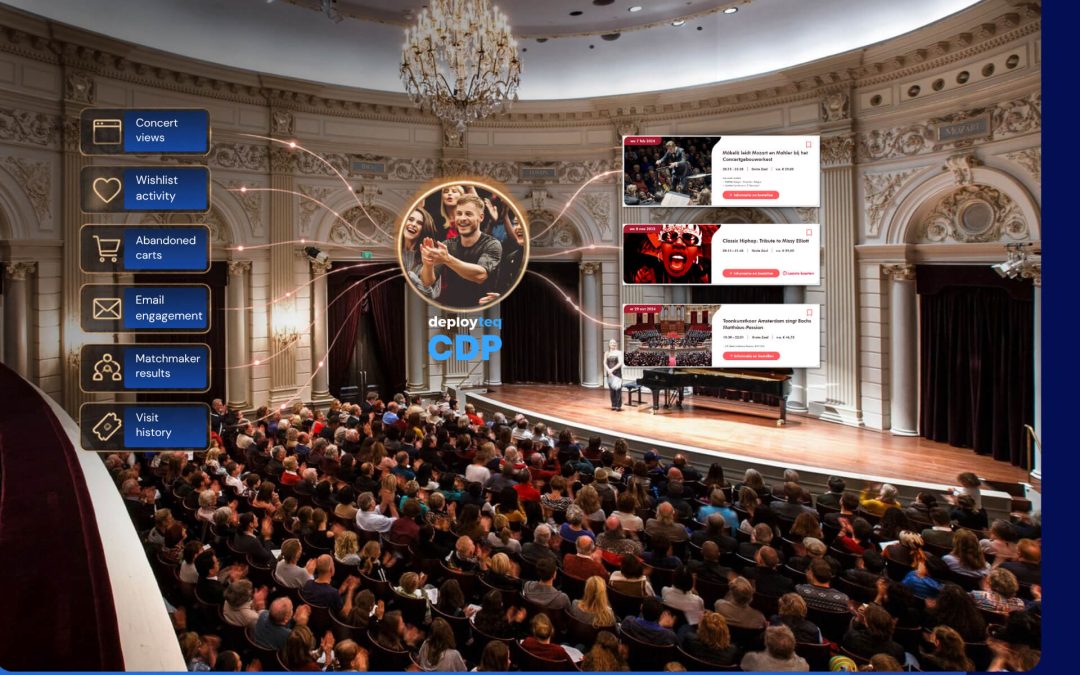
- Advanced personalization using unified customer data from our integrated CDP
- Detailed performance analytics to continuously optimize your win-back strategies
Ready to transform your dormant customers into active revenue generators? Book a demo to see how our win-back automation can recover lost customers and boost your retention rates.