Email marketing software automates and manages email campaigns to help businesses communicate effectively with customers and prospects. These platforms handle everything from designing emails to tracking performance, making it easier to send personalised messages at scale. The software streamlines customer communication while providing insights to improve results over time.
What is email marketing software and how does it work?
Email marketing software is a digital platform that helps businesses create, send and track email campaigns to their subscriber lists. It combines design tools, automation features and analytics to streamline customer communication and improve engagement rates.
The software works by connecting to your customer database and enabling you to segment audiences based on behaviour, preferences or demographics. You can design emails using drag-and-drop editors, set up automated sequences that trigger based on specific actions, and schedule campaigns to send at optimal times. The platform tracks opens, clicks and conversions, providing data to optimise future campaigns.
Modern email marketing platforms integrate with customer relationship management systems, e-commerce platforms and other business tools to create a unified view of each customer. This integration allows for more sophisticated personalisation and ensures consistent messaging across all touchpoints, particularly when combined with a comprehensive customer data platform that centralises all customer information.
What are the main features every email marketing platform should have?
While not all email marketing platforms are built the same, a future-proof email marketing platform should include intuitive design tools, automation capabilities, audience segmentation, comprehensive analytics, deliverability features and integration options. These core features ensure you can create effective campaigns that reach your audience and drive results.
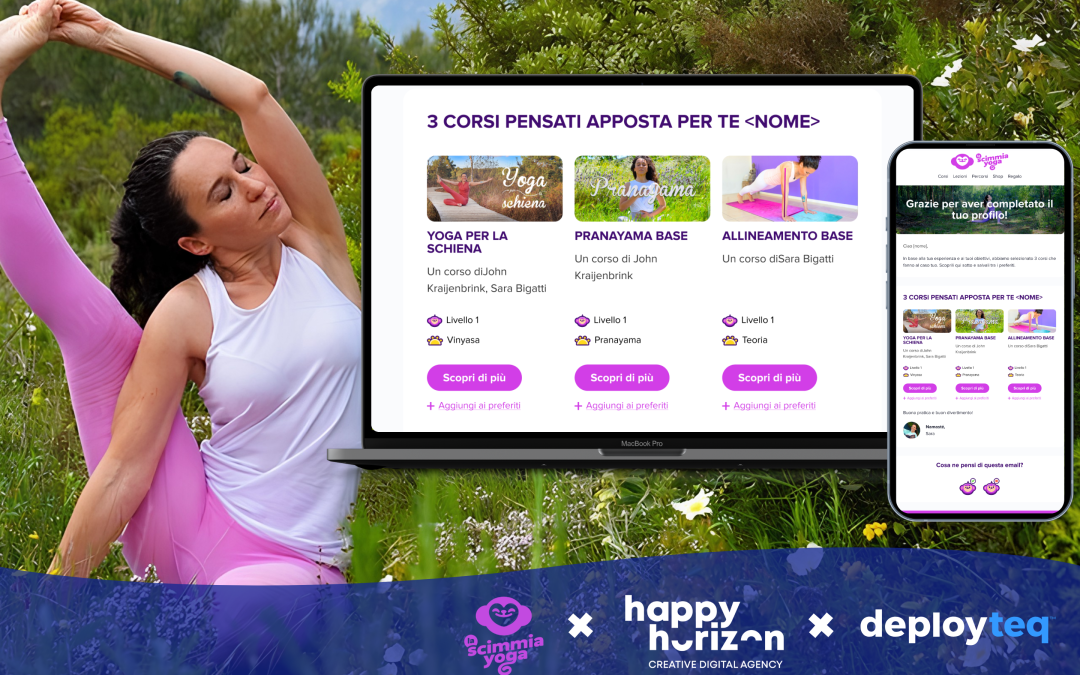
A drag-and-drop email editor allows you to create professional-looking emails without coding knowledge. Template libraries provide starting points for different campaign types, while mobile-responsive designs ensure emails look good on all devices.
Automation workflows are crucial for nurturing leads and maintaining customer relationships. Look for platforms that offer trigger-based campaigns, such as welcome sequences for new subscribers or abandoned cart reminders for e-commerce businesses.
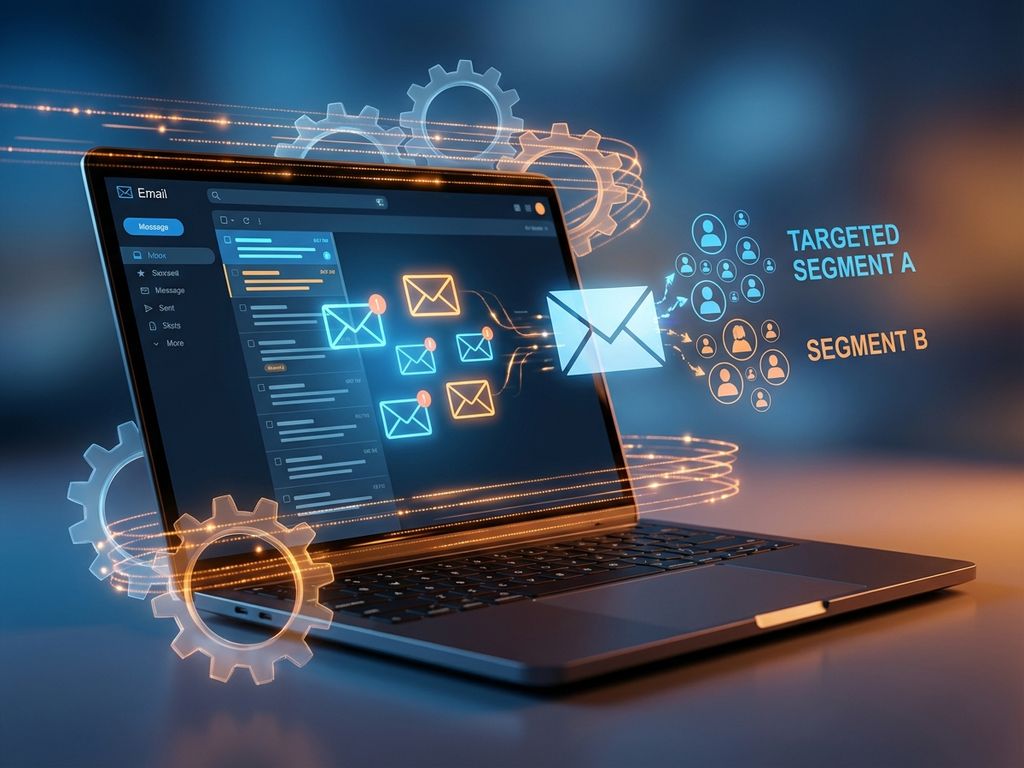
Advanced segmentation capabilities let you target specific groups based on behaviour, purchase history or engagement levels. This targeting improves relevance and increases the likelihood of positive responses from your audience.
Robust analytics and reporting features should provide insights into open rates, click-through rates, conversion tracking and revenue attribution. Integration capabilities with your existing business tools ensure seamless data flow and consistent customer experiences.
How does email automation actually save time and improve results?
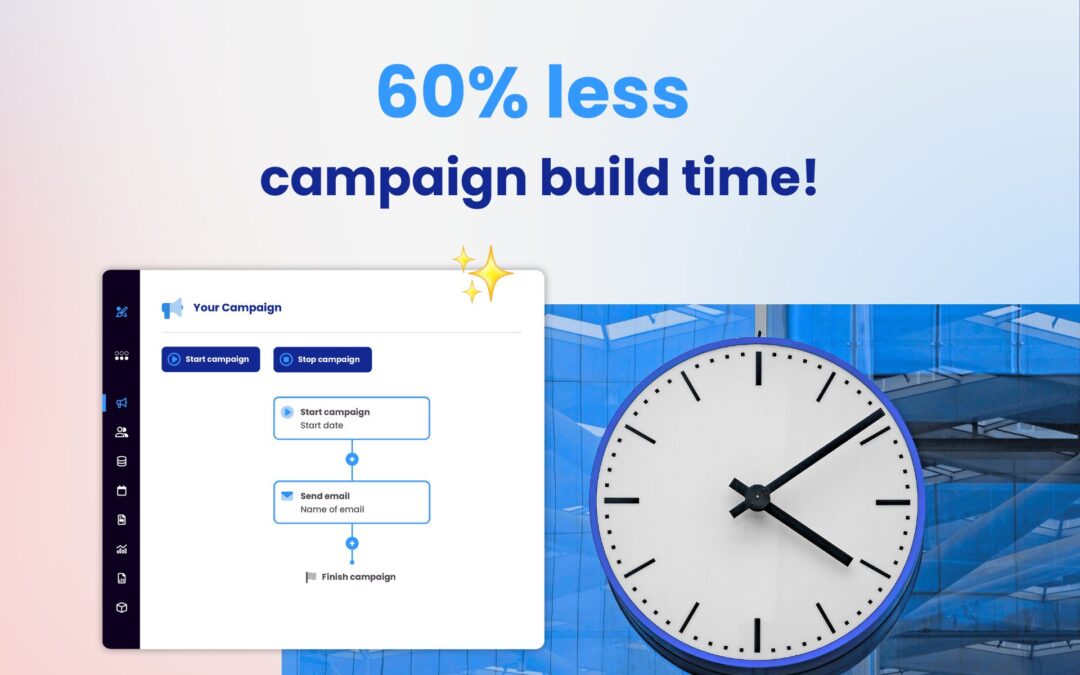
Email automation saves time by handling repetitive tasks and sending targeted messages based on subscriber behaviour or predetermined schedules. This approach improves results because automated emails are typically more timely and relevant than manual broadcasts, leading to higher engagement rates.
Automation workflows operate continuously without manual intervention. Once you set up a welcome series for new subscribers, the platform automatically sends the sequence when someone joins your list. This ensures immediate engagement without requiring you to manually send emails to each new subscriber.
Behavioural triggers enable sophisticated targeting based on customer actions. For example, you can automatically send product recommendations to customers who browse specific categories, or re-engagement campaigns to subscribers who have not opened recent emails.
Common automation scenarios include welcome sequences that introduce new subscribers to your brand, birthday campaigns that offer special discounts, and post-purchase follow-ups that encourage reviews or repeat purchases. These automated touchpoints maintain consistent communication and nurture customer relationships throughout their journey.
The time savings come from eliminating manual campaign creation and scheduling, while improved results stem from the increased relevance and timing of automated messages compared to generic broadcasts.
What’s the difference between basic email tools and advanced marketing platforms?
Basic email tools focus on sending simple campaigns to your entire list, while advanced marketing platforms offer sophisticated automation, advanced integration options, detailed segmentation and comprehensive analytics. The choice depends on your business complexity, growth goals and budget considerations.
Simple email services typically provide basic templates, list management and standard reporting. These tools work well for small businesses with straightforward communication needs and limited budgets. However, they lack advanced features like behavioural triggers, complex automation workflows or detailed customer journey mapping.
Advanced platforms offer comprehensive marketing automation that goes beyond email to include landing pages, social media integration and customer journey orchestration. They provide sophisticated segmentation based on multiple criteria, advanced personalisation options and detailed analytics that track the entire customer lifecycle. These comprehensive marketing automation solutions enable businesses to create more sophisticated, multi-channel customer experiences.
Scalability becomes important as your business grows. Basic tools may struggle with larger lists or complex campaigns, while advanced platforms are designed to handle enterprise-level requirements. Consider upgrading when you need better segmentation, more automation options or integration with other business systems.
Pricing typically reflects functionality, with basic tools costing less initially but potentially limiting growth. Advanced platforms require higher investment but often provide better return on investment through improved targeting and automation capabilities.
How do you measure if your email marketing software is working effectively?
The effectiveness of email marketing software is measured through key metrics including open rates, click-through rates, conversion rates and overall return on investment. These indicators show how well your campaigns engage subscribers and drive business results.
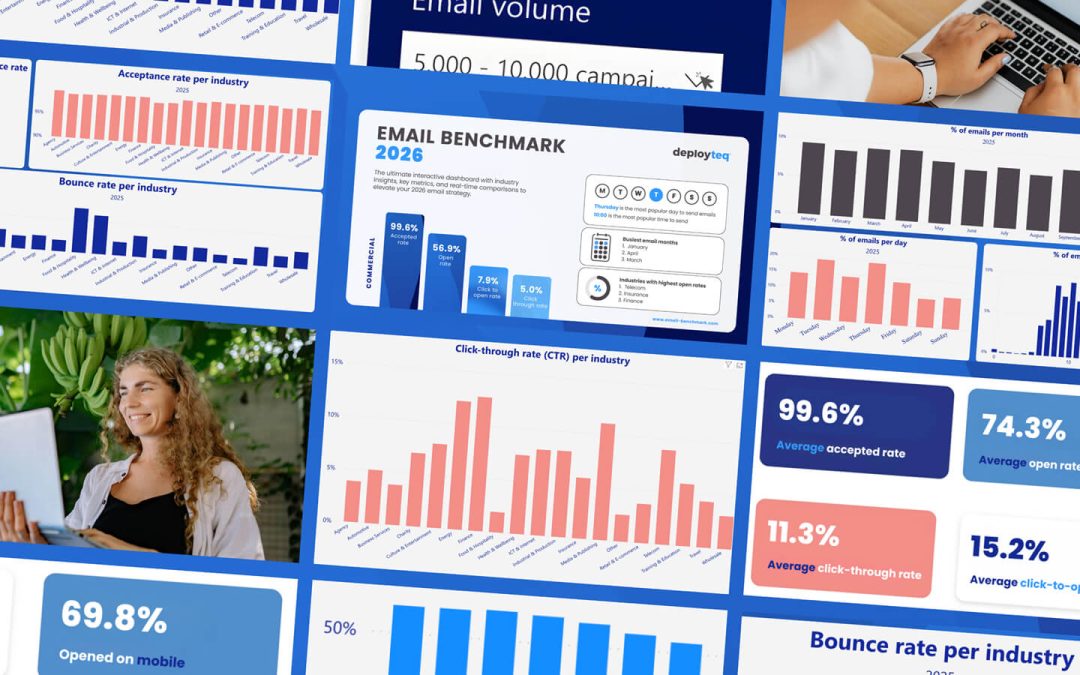
Open rates indicate how compelling your subject lines are and whether your emails reach subscribers’ inboxes. Industry averages vary, but rates between 20–25% are generally considered good for most sectors. Low open rates might suggest deliverability issues or unengaging subject lines.
Click-through rates measure how many recipients take action after opening your emails. This metric reflects content quality and call-to-action effectiveness. Rates of 2–5% are typical, though this varies significantly by industry and campaign type.
Conversion tracking shows how email campaigns contribute to business goals, whether that is sales, sign-ups or other desired actions. This is often the most important metric, as it directly relates to revenue and business growth.
Advanced analytics should also track unsubscribe rates, list growth, engagement over time and revenue attribution. The best platforms provide detailed reporting that helps you understand subscriber behaviour and optimise future campaigns based on performance data.
How Deployteq helps with email marketing automation
Deployteq provides a comprehensive email marketing solution that unifies customer data, enables sophisticated automation and delivers personalised experiences across multiple channels. Our platform addresses the key challenges businesses face when implementing effective email marketing strategies.
Key benefits include:
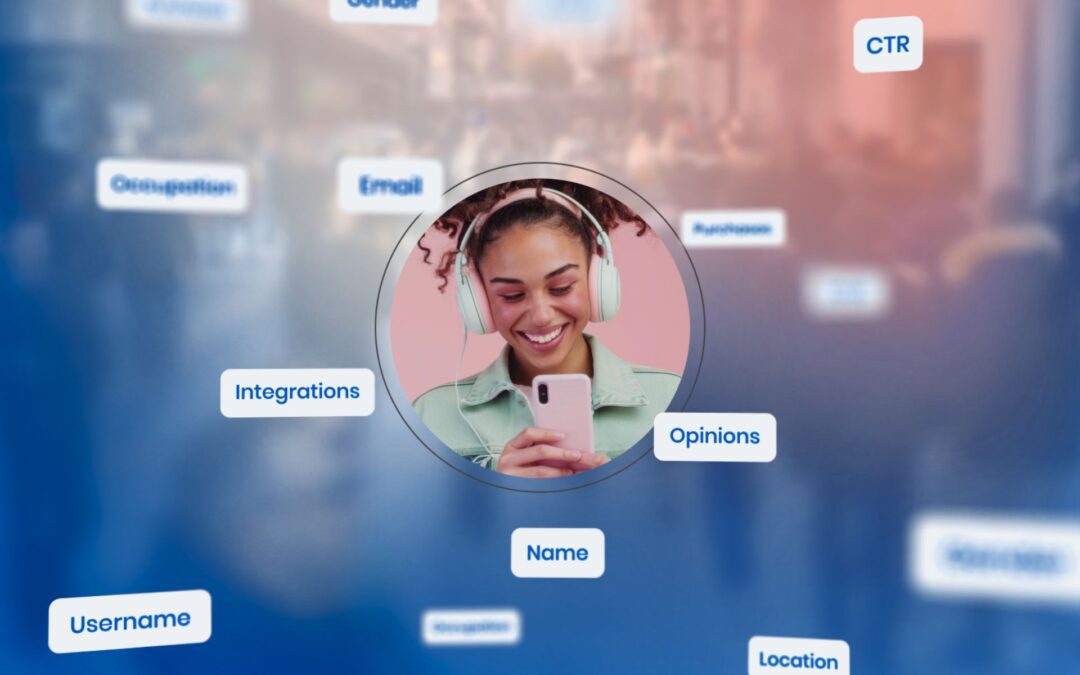
- Unified customer data – Automatically consolidate information from all channels into single, real-time customer profiles for better targeting.
- Advanced segmentation – Build highly personalised customer segments using real-time data and behavioural insights.
- Flexible journey builder – Design sophisticated automation workflows that adapt to customer behaviour and preferences.
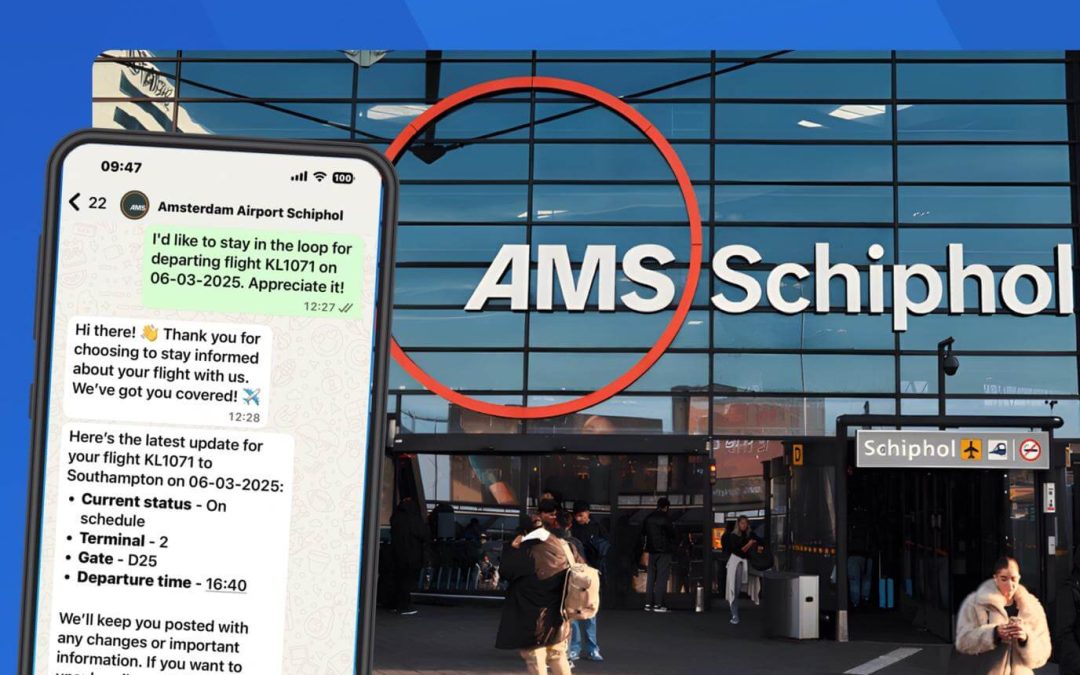
- Omnichannel coordination – Seamlessly integrate email with SMS, social media, WhatsApp and other channels for consistent messaging.
- Intuitive automation – Access powerful features through an easy-to-use interface that requires no technical expertise.
Our platform eliminates the complexity typically associated with advanced marketing automation while providing enterprise-level capabilities. Whether you are looking to improve email deliverability, increase engagement rates or create more sophisticated customer journeys, Deployteq offers the tools and support needed to achieve your marketing goals.
Ready to transform your email marketing strategy? Contact our team to discover how Deployteq can help you create more effective, automated campaigns that drive real business results.