Scattered customer data is one of the most common blockers for modern marketers. When your CRM, email platform, ecommerce system, and loyalty database are all speaking different languages, personalisation becomes guesswork and campaign performance suffers. Learning how to unify customer data is not just a technical project; it is a strategic priority. Here are seven practical ways to stop your data from living in separate silos and start building a foundation that actually works.
When your data is scattered, your marketing suffers
Fragmented data creates fragmented experiences. A customer who just purchased a winter coat should not receive a promotional email for that same coat two days later. A loyalty member who contacted support yesterday should not get a generic upsell message with zero acknowledgment of that interaction. These are not edge cases; they happen every day when teams rely on disconnected systems.
The cost of a scattered customer data solution problem goes beyond poor personalisation. It slows down campaign builds, forces manual data exports, and makes accurate reporting nearly impossible. Before you can fix anything, you need to understand exactly where the problem lives.
1: Audit every source your customer data lives in
Start by mapping every system that holds customer information. This means your CRM, your email platform, your ecommerce engine, your loyalty programme, your support ticketing tool, and any offline data sources like in-store purchase records. Write them all down.
For each source, note what data it holds, how often it updates, and whether it can be connected to other systems via API or native integration. This audit is not glamorous work, but it is the only way to understand the true scope of your data fragmentation before you can address it.
Retailers and travel brands often discover during this process that they have five or six systems holding overlapping customer records with no shared identifier. That discovery alone shapes every decision that follows.
2: Define a single customer identifier across systems
Once you know where your data lives, the next step is agreeing on a single customer identifier that every system can reference. This is typically an email address, a customer ID, or a loyalty number. The key is consistency: one identifier that travels with the customer across every touchpoint.
Without a shared identifier, merging records becomes a probabilistic exercise full of duplicates and mismatches. With one, you can begin stitching together a complete picture of each customer’s behaviour, preferences, and lifecycle stage.
This decision needs buy-in from your data, tech, and marketing teams early. Changing it later is costly. Get it right at the foundation.
3: Connect your tools with native integrations first
Before reaching for custom API builds or middleware solutions, check what native integrations already exist between your platforms. Most modern marketing and ecommerce tools offer pre-built connectors that move data between systems without engineering overhead.
Native integrations are faster to implement, easier to maintain, and less likely to break when one platform updates its infrastructure. Start here and only move to custom solutions when a native option genuinely does not exist or cannot meet your data volume requirements.
A common quick win for retail and finance teams is connecting their ecommerce or transaction platform directly to their email marketing platform, enabling purchase-triggered automations without any manual data handling.
4: Centralise data in a customer data platform
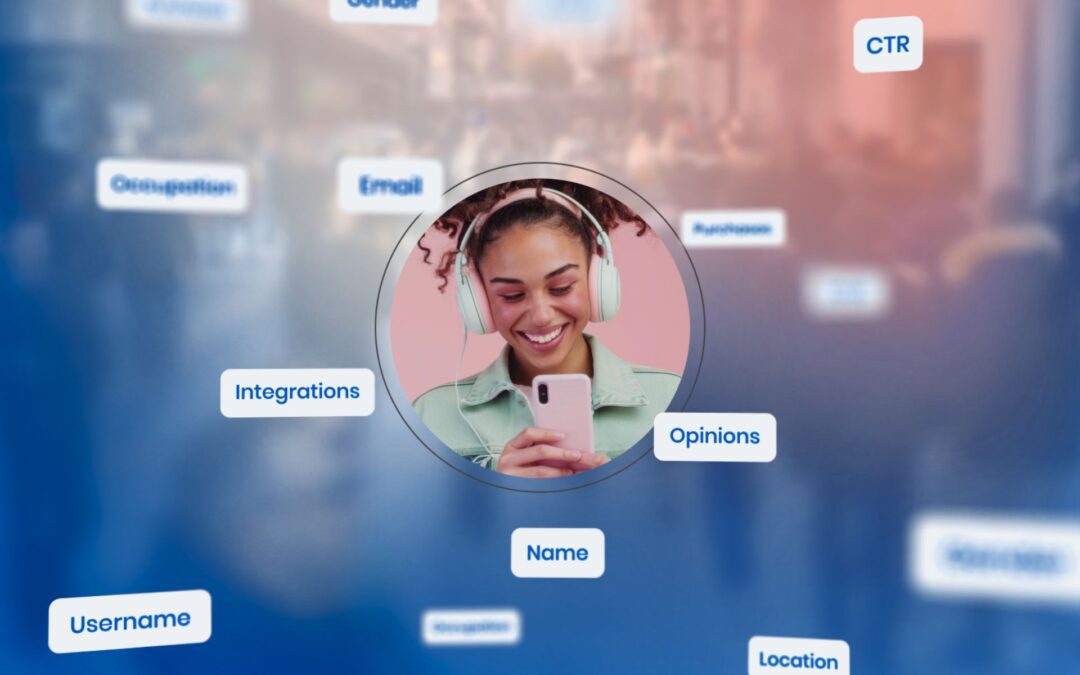
A Customer Data Platform (CDP) is built specifically to solve the data unification challenge. Unlike a CRM, which is designed for sales and relationship management, a CDP ingests data from multiple sources, resolves customer identities, and creates unified profiles that marketing systems can activate against in real time.
The practical benefit is significant. Instead of pulling a segment from your email tool based only on email behaviour, you can build a segment that combines purchase history, web behaviour, loyalty status, and support interactions simultaneously. That depth of data produces meaningfully better targeting.
For high-volume B2C brands managing complex customer lifecycles, a CDP is not a luxury. It is the infrastructure that makes everything else work. Explore what a unified customer data platform can do for your campaigns.
5: Build segments from unified data, not single sources
One of the most common segmentation mistakes is building audiences from a single data source. An email engagement segment built only from open and click data misses the customer who browses daily but rarely clicks email links. A purchase-based segment misses the high-intent prospect who has visited your pricing page four times this week.
Unified data changes this completely. When your segments draw from behavioural, transactional, and demographic data simultaneously, your targeting becomes far more precise. You can identify customers approaching churn before they leave, or spot high-LTV prospects before they have even converted.
The goal is segments that reflect real customer intent, not just the slice of behaviour one system happens to capture. This is where smart marketing automation starts to deliver its full value.
6: Activate unified data across every channel at once
Unifying your data is only valuable if you can act on it. Once your customer profiles are consolidated, your activation layer needs to be able to reach customers across email, SMS, push notifications, WhatsApp, and web personalisation from a single workflow.
Cross-channel activation means a customer browsing holiday packages on your website can receive a follow-up email within the hour, a WhatsApp message with a relevant offer the next morning, and a personalised homepage experience on their next visit. All triggered from the same unified profile, all consistent in message and timing.
This level of coordination is what separates brands that feel relevant from brands that feel random. The data unification work you do upstream makes this possible downstream.
7: Use predictive models to act on data proactively
Once your data is unified and your channels are connected, predictive modelling lets you move from reactive to proactive marketing. Rather than responding to what a customer just did, you can anticipate what they are likely to do next and engage them at exactly the right moment.
Models like RFM (Recency, Frequency, Monetary value) help you identify your most valuable customers and those at risk of lapsing. Next-best-offer modelling surfaces the product or content most likely to resonate with each individual. Lifecycle predictions flag when a customer is approaching a natural repurchase window.
For entertainment brands managing high-frequency engagement cycles, or finance brands navigating complex customer lifecycles, predictive insights turn unified data from a static asset into a dynamic, revenue-generating engine.
How Deployteq helps you unify customer data
We built our Customer Data Platform specifically to address the data unification challenge that B2C marketing teams face every day. Here is what it does in practice:
- Unified customer profiles: We ingest data from all your connected sources and resolve identities into a single, accurate 360-degree view of each customer.
- Intelligent modelling built in: RFM analysis, next-best-offer recommendations, and predictive lifecycle insights are available directly within the platform, no data science team required.
- Cross-channel activation in one place: From a single workflow, activate campaigns across email, SMS, WhatsApp, push, and web personalisation using the same unified profile.
- Smart segmentation at scale: Build real-time segments that draw from behavioural, transactional, and demographic data simultaneously, so your targeting reflects actual customer intent.
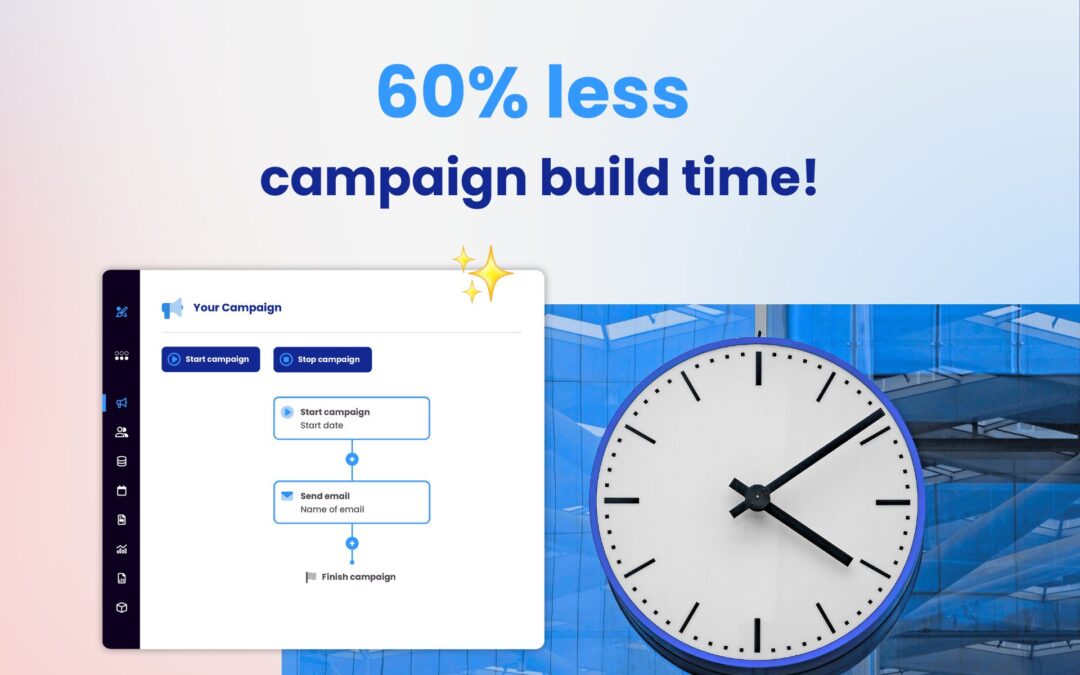
- No-code journey builder: Design and deploy complex customer journeys without relying on engineering resources.
Trusted by brands like Wickes, Virgin Media, and Center Parcs, we help marketing teams turn fragmented data into campaigns that feel personal, timely, and relevant. If your data is still living in silos, now is the time to change that. Book a demo and see how our CDP works in practice.
From fragmented data to a foundation that scales
Data unification is not a one-time project. It is an ongoing discipline that gets stronger as your customer base grows and your channel mix expands. The seven steps above give you a practical sequence: audit what you have, establish a shared identity, connect your tools, centralise in a CDP, build richer segments, activate across channels, and layer in predictive intelligence.
Each step builds on the last. And the compounding effect, more accurate segments feeding smarter automation feeding better customer experiences, is what separates brands that grow sustainably from those that plateau. Start with the audit, commit to the identifier, and build from there. The foundation you create now will scale with every campaign you run.