Predictive data has moved from a nice-to-have into a genuine competitive advantage for marketers running high-volume, multi-channel campaigns. When you can anticipate what a customer wants before they ask for it, every message you send lands with more relevance and less waste. The challenge is knowing exactly where to apply those predictions inside your existing campaign structure. These five expert approaches will help you do precisely that.
What predictive data unlocks for modern campaigns
At its core, predictive data turns historical behaviour into forward-looking intelligence. Instead of reacting to what a customer did last week, you are shaping what they do next. For marketers managing complex segments across email, SMS, and web, that shift changes everything from send timing to offer selection to retention strategy.
The practical unlock is this: predictive models give your segments real intent signals rather than static demographic labels. A customer who browsed a holiday package three times in the last fortnight is not the same as one who booked the same package two years ago. Predictive data captures that difference and routes each person into the right journey automatically.
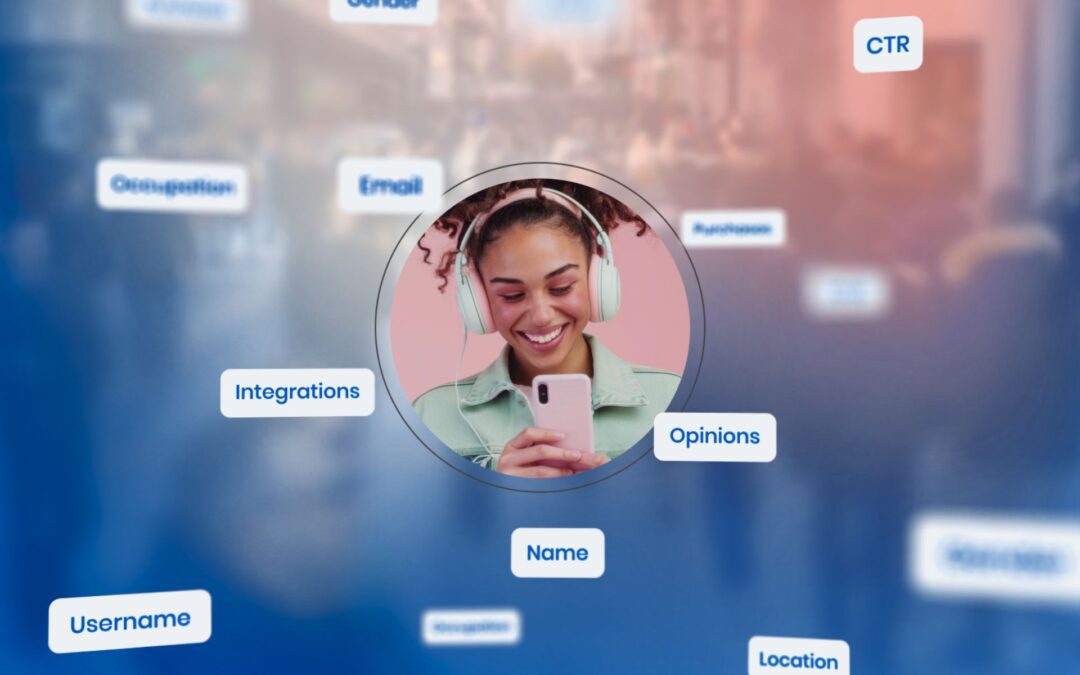
A strong customer data platform is the foundation that makes this possible. Without unified customer profiles feeding your models, predictions are built on incomplete data, and your campaigns reflect that gap.
1: Prioritise high-intent audiences with RFM scoring
RFM scoring (Recency, Frequency, Monetary value) remains one of the most reliable ways to surface your highest-intent customers fast. By combining how recently someone purchased, how often they buy, and how much they spend, you get a ranked picture of your audience that reflects genuine commercial intent rather than vanity metrics like open rates.
The practical application is segmenting your next campaign send by RFM tier before you even write a single line of copy. Your top-tier customers get a different message, cadence, and offer than your lapsed mid-tier segment. This alone can significantly improve conversion rates because you are matching effort to opportunity.
For retail and e-commerce teams, RFM is especially powerful around peak trading periods. Rather than blasting your entire list with a generic promotion, you activate your high-RFM segment first with an exclusive early-access offer, then follow up with a broader campaign for mid-tier customers. The result is better revenue per send and less unsubscribe pressure on your lower-intent contacts.
2: Personalise offers using next-best-offer models
Next-best-offer modelling uses purchase history, browsing behaviour, and product affinity data to predict which offer a specific customer is most likely to act on next. It moves personalisation beyond “you bought X, so here is X again” into genuinely intelligent recommendation territory.
In practice, this means your email or push notification is not carrying a generic promotional message. It is surfacing the exact product category, service tier, or upgrade path that the model has identified as the highest-probability conversion for that individual. For travel brands, this could mean recommending a specific destination based on previous booking patterns. For finance, it might mean surfacing a relevant product at the right point in a customer’s financial lifecycle.
The key to making next-best-offer work is feeding the model with rich, unified data. Fragmented data sources produce weak predictions. When your CDP consolidates behavioural signals from web, email engagement, and purchase history into a single customer view, the model has everything it needs to make recommendations that feel genuinely relevant rather than algorithmically obvious.
3: Time campaigns around predicted purchase windows
Send-time optimisation is familiar territory for most email marketers, but predicted purchase windows go a level deeper. Rather than optimising for when a customer is likely to open an email, you are optimising for when they are most likely to be in an active buying mindset based on their historical purchase cycles.
A customer who books a city break every spring and a beach holiday every August has a predictable rhythm. Hitting them with a relevant campaign two to three weeks before that window opens, rather than at a random point in the calendar, dramatically increases the chance of conversion. The same logic applies to retail customers with seasonal purchase patterns or finance customers approaching annual renewal dates.
Connecting these predictions to your marketing automation workflows means the timing becomes systematic rather than manual. You set the model, define the trigger conditions, and the platform handles the scheduling. Your team focuses on creative and strategy rather than manually monitoring purchase calendars.
4: Reduce churn with early-warning trigger campaigns
Churn prediction is one of the highest-ROI applications of predictive data, particularly for subscription businesses, loyalty programmes, and any brand with a recurring customer relationship. The goal is to identify customers who are showing early disengagement signals before they actually lapse, then trigger a re-engagement campaign while you still have their attention.
Early-warning signals vary by sector. In entertainment and streaming, a drop in login frequency or content consumption is a strong indicator. In retail, it might be a longer-than-usual gap since the last purchase combined with a decline in email engagement. In travel, it could be a loyalty member who has not searched or booked within their normal cycle. The model flags these customers automatically so your team does not need to manually audit segments looking for at-risk contacts.
The trigger campaign itself should feel helpful rather than desperate. A well-timed message that acknowledges the customer’s history, surfaces something genuinely relevant, and offers a reason to re-engage will outperform a generic “we miss you” email every time. Predictive data gives you the context to make that message specific and timely.
5: Test and refine predictions with campaign feedback loops
Predictive models are not static. They improve over time when you systematically feed campaign performance data back into the model. This feedback loop is what separates teams that get incrementally better results from those that plateau after their initial CDP implementation.
The practical approach is treating every campaign as a data collection event as well as a revenue event. Which predicted segments converted? Which next-best-offer recommendations were ignored? Where did the predicted purchase window miss the actual buying behaviour? These signals refine the model’s accuracy for the next campaign cycle.
Building this feedback loop into your workflow does not require a data science team. It requires a clear process for reviewing prediction accuracy post-campaign and a platform that can ingest that performance data and update its models accordingly. The more campaigns you run through this cycle, the sharper your predictions become and the more confident you can be in the segments you are activating.
How Deployteq helps with predictive campaign data
Deployteq’s newly launched Customer Data Platform is built specifically to bring these five approaches to life inside your existing campaign workflows. Rather than requiring a separate data science stack, the CDP integrates predictive intelligence directly into the tools your team already uses every day.
Here is what that looks like in practice:
- RFM scoring built in: Automatically score and segment your audience by recency, frequency, and monetary value without manual data exports or external tools.
- Next-best-offer modelling: Intelligent product and offer recommendations driven by unified customer profiles, ready to activate across email, SMS, WhatsApp, push, and web.
- Predictive lifecycle insights: Full lifecycle visibility that surfaces purchase window predictions and churn risk signals directly within your campaign planning.
- 360-degree single customer view: All customer data consolidated into one profile, giving your models the richest possible data foundation to work from.
- Campaign feedback integration: Performance data feeds back into your models automatically, so predictions sharpen with every campaign you run.
If you are ready to move from reactive segmentation to genuinely predictive campaigns, book a demo and see how Deployteq’s CDP can activate smarter intelligence across every channel you run.