A customer data platform is only as valuable as what you actually do with the data inside it. Many teams invest in CDP technology and still struggle to connect the dots between raw customer behaviour and meaningful campaign outcomes. The good news? When a CDP is implemented well, the results speak for themselves. Here are eight real-world examples of how CDP capabilities drive measurable impact across the full customer lifecycle.
What makes a CDP deliver real results?
Not every CDP implementation delivers the same return. The difference between a platform that collects data and one that activates it comes down to a few core principles: unified profiles, intelligent modelling, and the ability to trigger the right action at the right moment.
The most effective CDP implementations share a common thread. They connect behavioural, transactional, and demographic data into a single view, then use that view to power decisions across every channel. Without that foundation, personalisation stays shallow and segmentation stays manual.
The examples below reflect real patterns seen across travel, retail, finance, and entertainment. Each one shows a specific capability and the outcome it drives when executed properly.
1: Unified customer profiles for smarter segmentation
Fragmented data is the root cause of most segmentation failures. When purchase history lives in one system, email engagement in another, and web behaviour in a third, building accurate segments becomes a manual, error-prone process.
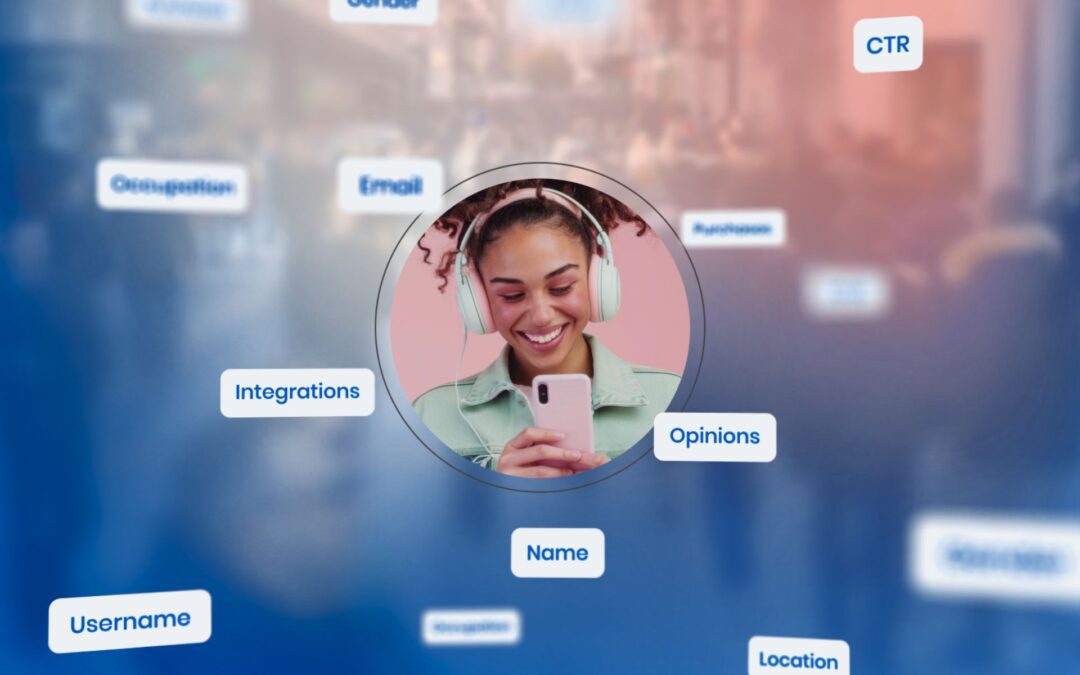
A CDP solves this by pulling all those data sources into a single, continuously updated customer profile. Marketers can then segment on combinations of attributes that were previously impossible to query in real time, such as customers who browsed a product category three times in the last seven days but have not purchased in 90 days.
For a retail brand, this kind of unified profile immediately improves relevance. Instead of sending the same promotional email to your entire database, you are targeting a precise segment with content that reflects exactly where they are in their buying journey. That specificity is what drives higher open rates, click-through rates, and ultimately revenue.
2: Predictive modelling to prioritise high-value customers
RFM modelling, which scores customers on recency, frequency, and monetary value, is one of the most practical applications of CDP data. When applied consistently, it tells you which customers are worth prioritising and which are at risk of drifting away.
Beyond RFM, next-best-offer modelling uses purchase patterns and browsing behaviour to surface the product or service a customer is most likely to buy next. This is particularly powerful in travel and entertainment, where the path to conversion often involves multiple touchpoints before a booking decision is made.
Predictive modelling shifts your team from reactive to proactive. Rather than waiting for a customer to disengage, you are acting on signals that indicate intent before it fades. That shift alone can meaningfully improve LTV across your customer base.
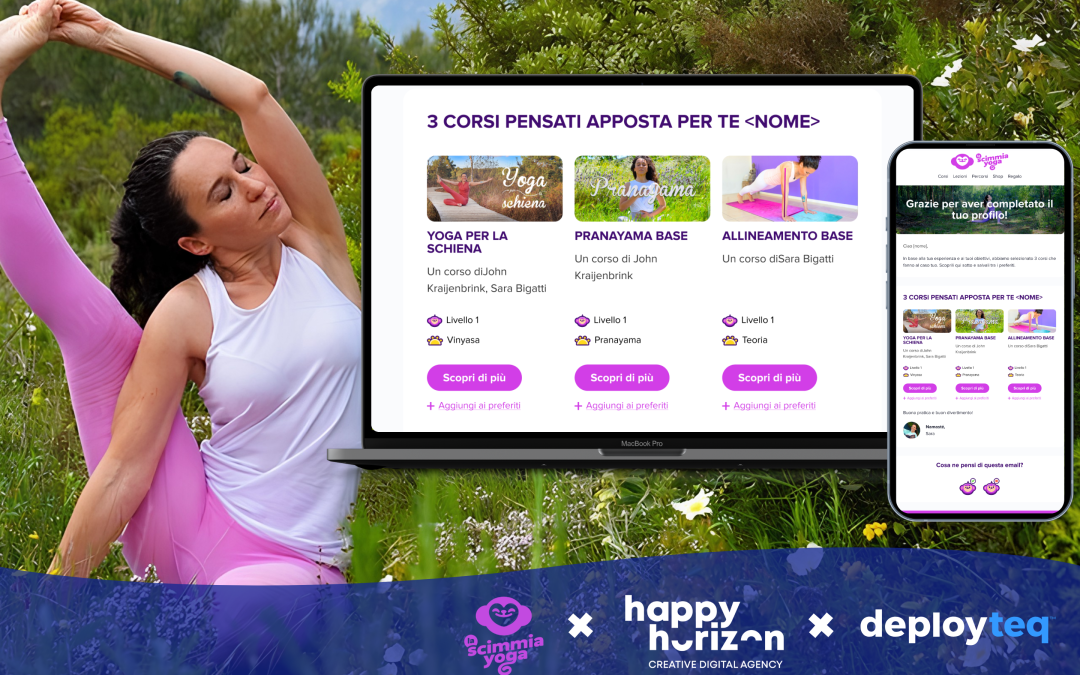
3: Real-time personalisation across email and web
Real-time personalisation means your content adapts to what a customer just did, not what they did last month. A customer who abandons a basket on your website should receive a follow-up email within the hour, not the following morning.
Web personalisation takes this further by adjusting on-site content dynamically. A returning customer who has previously purchased in a specific category sees relevant recommendations the moment they land on your homepage. This is not just a nice-to-have; it directly reduces the friction between intent and conversion.
The key enabler here is a CDP that can process behavioural triggers in real time and pass them to your email marketing platform without delay. Latency kills personalisation. The faster your data moves, the more relevant your messaging becomes.
4: Cross-channel journey automation at scale
A customer does not experience your brand through a single channel. They might discover you via social, research via web, convert via email, and engage post-purchase via SMS or push notification. A CDP makes it possible to orchestrate that entire journey from one place.
Cross-channel journey automation means each step in the customer journey is triggered by behaviour, not a calendar. If a customer opens an email but does not click, the next touchpoint adapts. If they complete a purchase, the post-conversion sequence activates automatically.
For high-volume B2C brands, this kind of automation at scale is the difference between a team that is constantly firefighting and one that is focused on strategy. The journeys run themselves. Your team focuses on optimisation.
5: Reducing churn with early warning signals
Churn rarely happens overnight. Customers disengage gradually, and the signals are there in your data if you know where to look. Declining email open rates, reduced purchase frequency, and a drop in web visits are all early indicators that a customer is losing interest.
A CDP that surfaces these signals automatically allows your team to trigger re-engagement campaigns before the customer fully disengages. A well-timed message with a relevant offer, based on that customer’s actual purchase history, can recover a relationship that would otherwise have quietly lapsed.
In subscription-heavy sectors like finance and insurance, reducing churn by even a small percentage has a significant impact on revenue. The data to predict and prevent churn is almost always already there. The CDP is what makes it actionable.
6: Loyalty programme optimisation through data activation
Loyalty programmes generate rich behavioural data, but many brands fail to activate it beyond basic points tracking. A CDP changes that by connecting loyalty data with purchase history, channel preferences, and lifecycle stage to create genuinely personalised loyalty experiences.
A hotel group, for example, can identify loyalty members who consistently book weekend breaks and proactively send them early access to availability before it opens to the general public. That kind of personalised treatment drives deeper engagement and stronger retention than a generic points statement ever could.
The principle applies equally to retail, travel, and entertainment. When loyalty data flows into your CDP and connects with the rest of your customer profile, every communication becomes an opportunity to reinforce the relationship rather than just remind someone of their balance.
7: Suppression and consent management for cleaner campaigns
Clean data is not just a compliance requirement. It is a performance driver. Sending to disengaged or non-consenting contacts damages deliverability, wastes budget, and dilutes your engagement metrics in ways that affect every campaign you send.
A CDP with robust suppression and consent management ensures that your active segments only include contacts who have both consented and shown recent engagement. Suppressing unsubscribes, bounces, and lapsed contacts in real time keeps your sender reputation strong and your reporting accurate.
This is especially important as consent regulations continue to tighten across European markets. Brands that treat consent management as a strategic function rather than a compliance checkbox consistently outperform those that do not, because their data quality is higher and their campaigns land with the right people.
8: What does measuring CDP impact actually look like?
Measuring the impact of a customer data platform requires connecting platform activity to business outcomes, not just marketing metrics. Open rates and click-through rates matter, but the real measure of CDP value is revenue per customer, churn rate, and LTV over time.
Practical measurement starts with establishing a baseline before activation. What was your average repeat purchase rate before unified profiles were in place? What was your churn rate before predictive modelling was applied? Those baselines give you something concrete to measure against.
Teams that measure CDP impact effectively tend to track a small number of meaningful KPIs rather than a long list of vanity metrics. Conversion rate by segment, revenue attributed to automated journeys, and suppression rate improvement are all strong indicators that your CDP implementation guide is delivering real-world results.
How Deployteq helps you turn customer data into action
Everything described in this article is exactly what we built our Customer Data Platform to deliver. Deployteq’s CDP unifies all your customer data into intelligent profiles, giving you a true 360-degree single customer view that powers smarter decisions across every channel.
Here is what that looks like in practice:
- Unified customer profiles that connect behavioural, transactional, and demographic data in one place
- Intelligent modelling including RFM, next-best-offer, and predictive lifecycle insights built directly into your campaigns
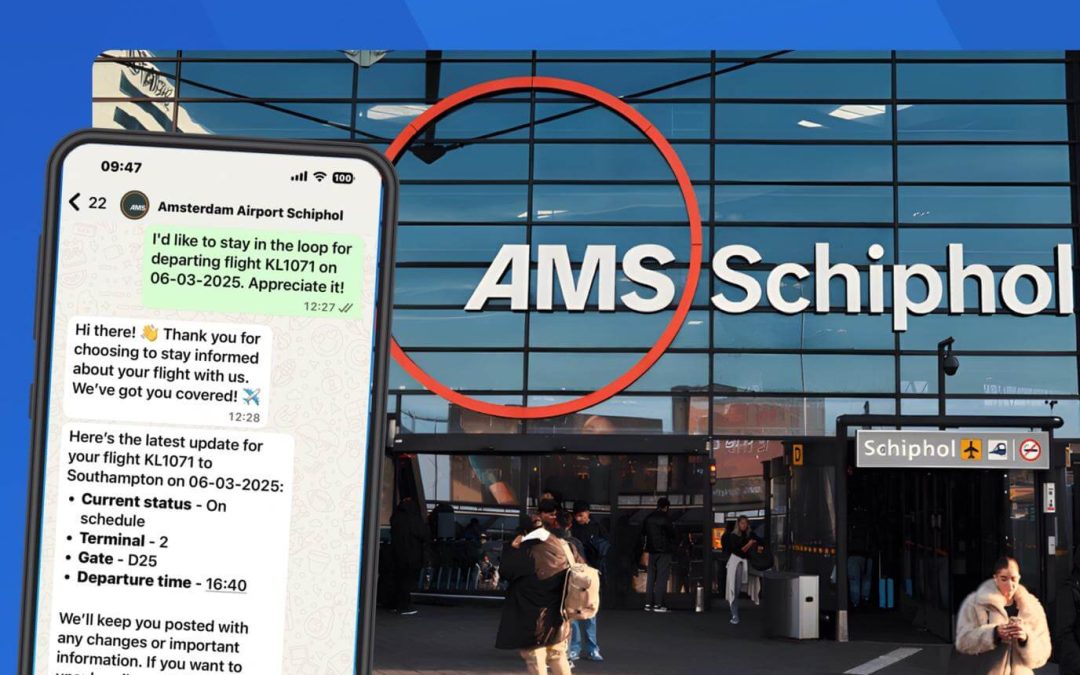
- Real-time activation across email, SMS, WhatsApp, push, and web without switching platforms
- Hyper-personalised segmentation that goes far beyond basic list splits
- Consent and suppression management built in, so your data stays clean and compliant
Whether you are looking to reduce churn, improve LTV, or simply stop sending the same message to everyone, Deployteq gives you the tools to act on your data rather than just store it. Book a demo and see how it works for your specific use case.