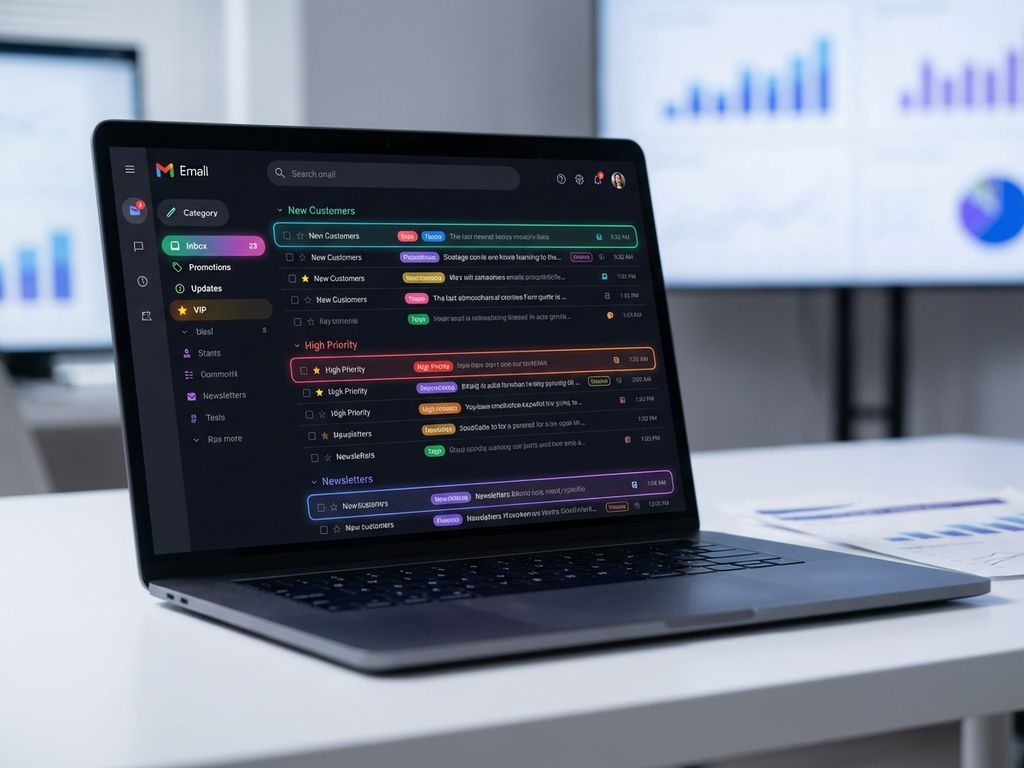
Email segmentation divides your email list into smaller, targeted groups based on specific characteristics like demographics, behaviour, or purchase history. This approach allows you to send more relevant, personalised messages that resonate with different audience segments. Effective segmentation significantly improves email marketing performance by delivering the right content to the right people at the right time.
What is email segmentation and why does it matter for your business?
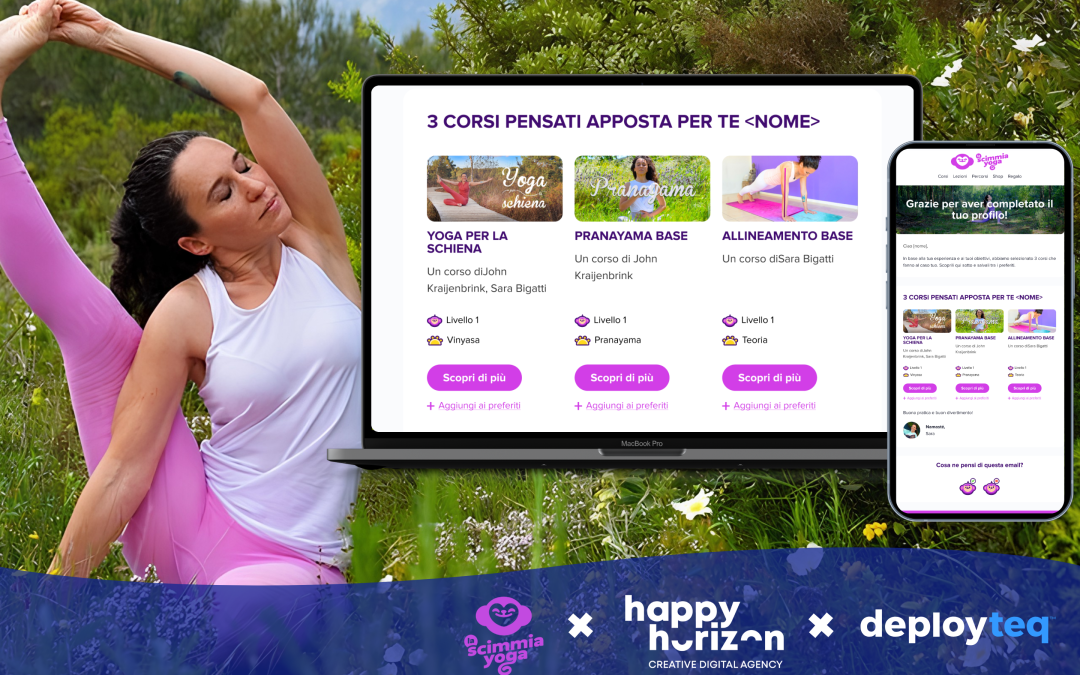
Email segmentation is the practice of dividing your email list into distinct groups based on shared characteristics, behaviours, or preferences. Rather than sending the same message to your entire database, segmentation allows you to tailor content for specific audience groups, creating more meaningful connections with your subscribers.
The process works by analysing subscriber data to identify common traits or patterns. You might group customers by age, location, purchase history, or how they interact with your emails. Each segment receives content specifically designed for their interests and needs.
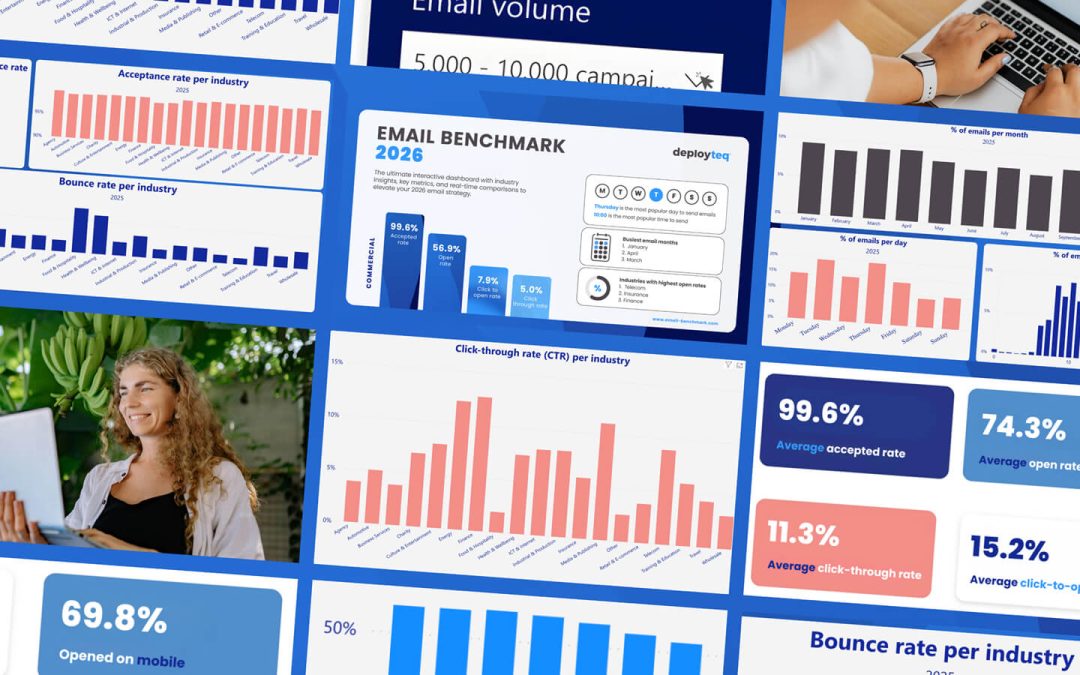
This targeted approach delivers substantial benefits for your email marketing efforts. Open rates typically improve because subject lines and content speak directly to segment interests. Click-through rates increase when recipients find emails genuinely relevant to their situation. Customer engagement grows stronger as people receive valuable, personalised content rather than generic broadcasts.
Beyond immediate metrics, segmentation builds long-term customer relationships. When subscribers consistently receive relevant emails, they are more likely to stay engaged with your brand and make purchases. This approach transforms email marketing from mass communication into personalised conversation.
What are the most effective ways to segment your email list?
The most effective segmentation strategies combine demographic data, behavioural patterns, and engagement levels to create meaningful audience groups. Each approach offers unique insights into subscriber preferences and motivations, allowing for increasingly sophisticated targeting.
Demographic segmentation groups subscribers by age, gender, income, job title, or company size. A clothing retailer might create separate campaigns for different age groups, while a B2B software company could segment by company size or industry. Geographic segmentation proves valuable for location-specific offers, seasonal campaigns, or regional product availability.
Behavioural segmentation examines how subscribers interact with your emails and website. This includes purchase history, browsing behaviour, email engagement frequency, and product preferences. Someone who frequently opens emails but rarely clicks might receive different content than highly engaged clickers.
Lifecycle stage segmentation targets customers based on their relationship with your brand. New subscribers receive welcome series and introductory content, while long-term customers get loyalty rewards and advanced product information. Recent purchasers might receive follow-up care emails, whereas inactive subscribers need re-engagement campaigns.
Engagement-based segmentation divides subscribers by their interaction levels. Highly engaged subscribers can handle more frequent emails and detailed content, while less active segments need carefully crafted re-engagement strategies to maintain interest.
How do you actually implement email segmentation in your campaigns?
Implementing email segmentation starts with collecting relevant subscriber data through signup forms, surveys, website tracking, and purchase history analysis. The key is gathering information systematically while respecting subscriber privacy and preferences.
Begin by identifying which data points matter most for your business goals. E-commerce companies might prioritise purchase behaviour and product preferences, while service providers focus on company size and role-based needs. Design signup forms that capture essential segmentation data without overwhelming new subscribers.
Choose segmentation criteria that align with your content strategy and business objectives. Start with broad segments like new subscribers, active customers, and inactive users. As you gather more data and experience, create more specific segments based on detailed behavioural patterns or preferences.
Create distinct content strategies for each segment. Develop email templates, subject line approaches, and messaging tones that resonate with each group’s characteristics. Test different approaches within segments to refine your understanding of what works best.
Maintain segment accuracy through regular data updates and performance monitoring. Subscribers move between segments as their behaviour changes, so implement automated rules that shift people based on recent actions. Review segment performance monthly to identify opportunities for improvement or refinement.
What common email segmentation mistakes should you avoid?
The most frequent segmentation mistakes include creating too many small segments, collecting insufficient data, and failing to maintain segment accuracy over time. These errors can actually harm your email marketing performance rather than improve it.
Over-segmentation creates segments too small to generate meaningful results or justify the additional effort required. Segments with fewer than 100 subscribers make it difficult to test effectively or draw reliable conclusions about performance. Focus on creating fewer, more substantial segments that provide clear value.
Insufficient data collection limits your segmentation options and accuracy. Many businesses segment based on assumptions rather than actual subscriber data, leading to irrelevant messaging. Invest time in proper data collection systems and subscriber research before implementing complex segmentation strategies.
Ignoring segment performance represents a missed opportunity for improvement. Each segment should have clear success metrics and regular performance reviews. If certain segments consistently underperform, investigate whether the segmentation criteria need adjustment or the content strategy requires changes.
Failing to update segments regularly means subscribers remain in outdated categories that no longer reflect their current interests or behaviour. Someone who was once inactive might become highly engaged, but outdated segmentation keeps them in the wrong group. Implement automated rules and regular manual reviews to keep segments current and accurate.
How Deployteq helps with email segmentation
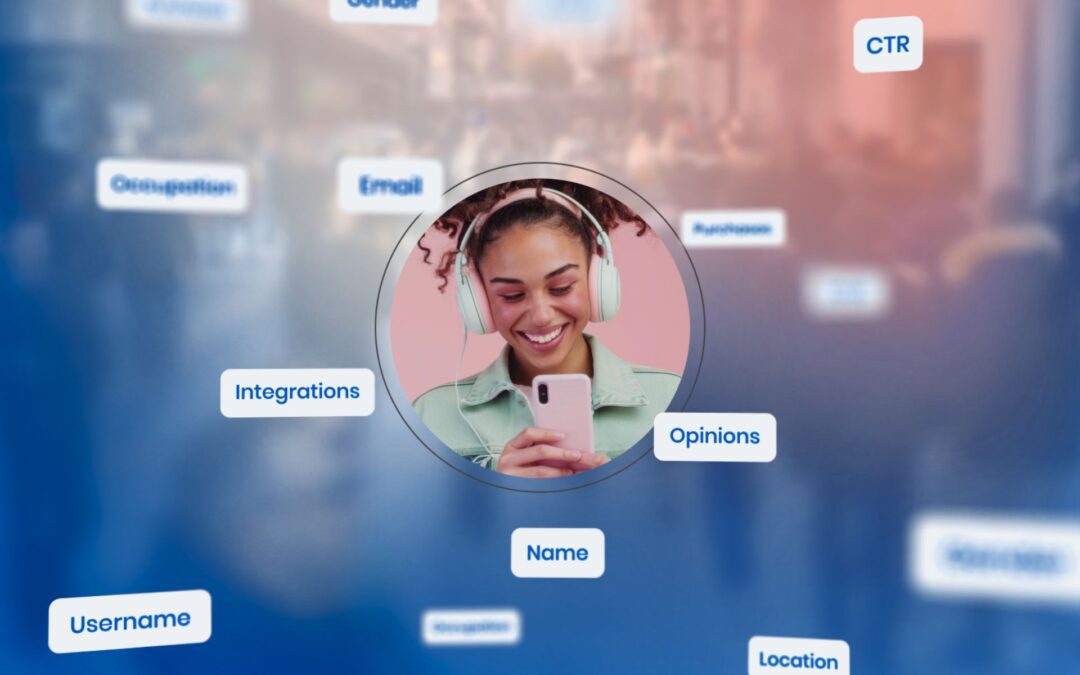
Deployteq provides advanced segmentation capabilities that automatically unify customer data across all channels into real-time profiles, enabling sophisticated audience targeting without technical complexity. Our customer data platform transforms how you understand and engage with your customers through intelligent segmentation tools.
Key segmentation features include:
- Real-time customer profiling that updates segments automatically as subscriber behaviour changes
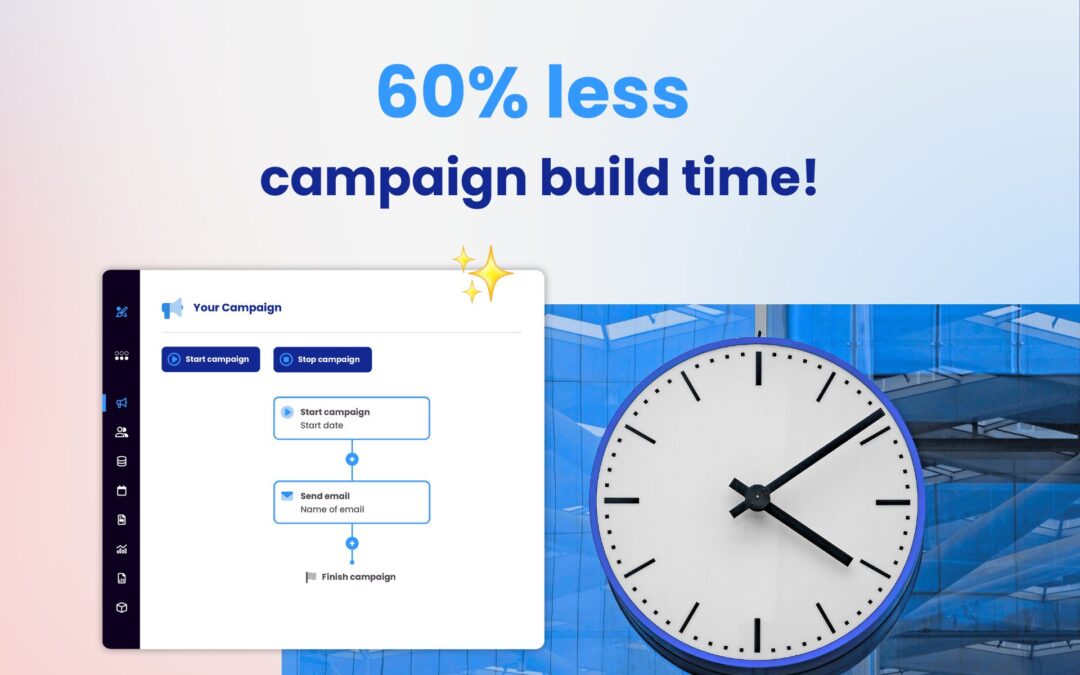
- Advanced segmentation builder with drag-and-drop functionality for creating complex audience groups
- Omnichannel data integration combining email, SMS, social media, and website interactions
- Automated segment maintenance that moves subscribers between groups based on predefined rules
- Behavioural tracking that captures detailed customer journey data for precise targeting
Our intuitive platform makes sophisticated segmentation accessible to marketers at any technical level. You can create highly personalised customer segments using visual tools, then activate them across email, SMS, WhatsApp, and other channels for consistent omnichannel experiences through marketing automation.